
Last updated September 10, 2026
Level 1 sweep and inspection to the NFPA 211 annual standard - flue, crown, cap, and flashing checked and photographed
Chimney sweep logs do not sweep chimneys. They loosen some creosote - which then falls where a brush and vacuum still have to collect it.
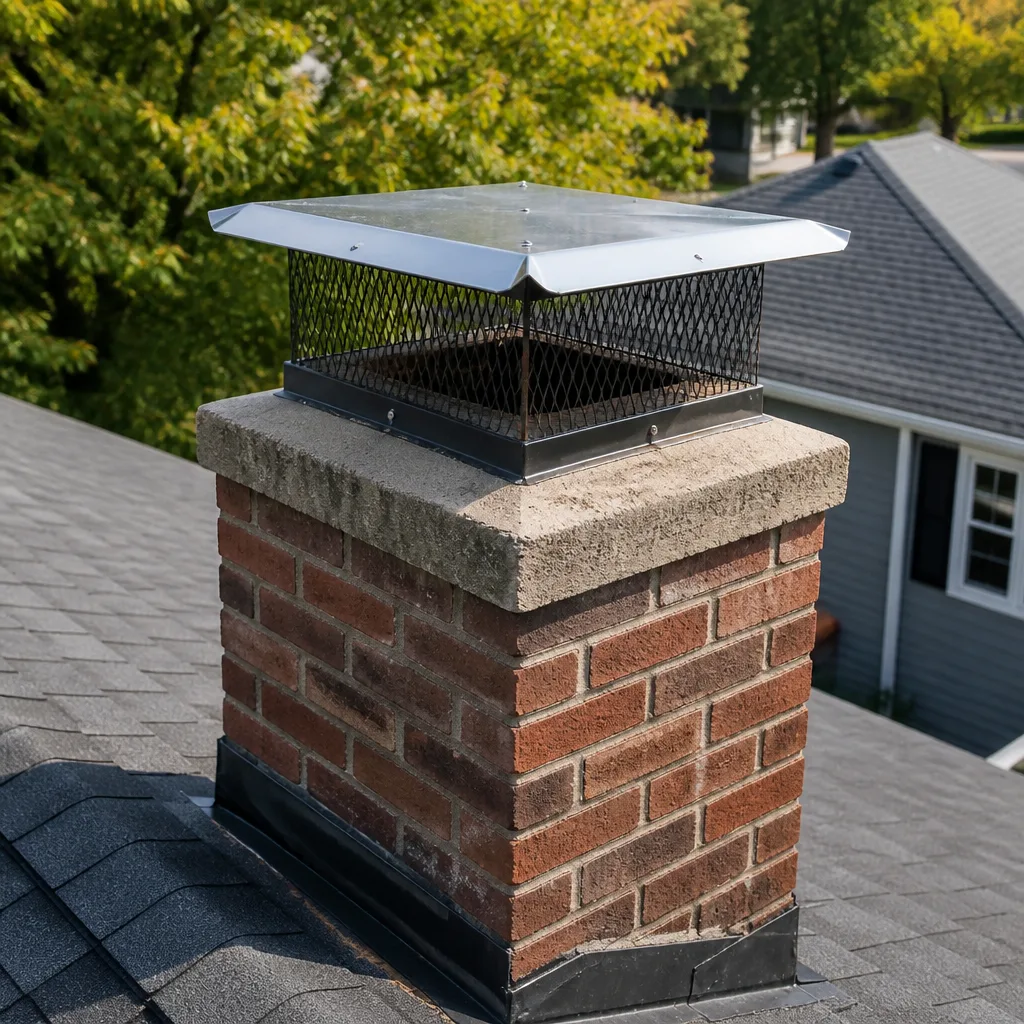
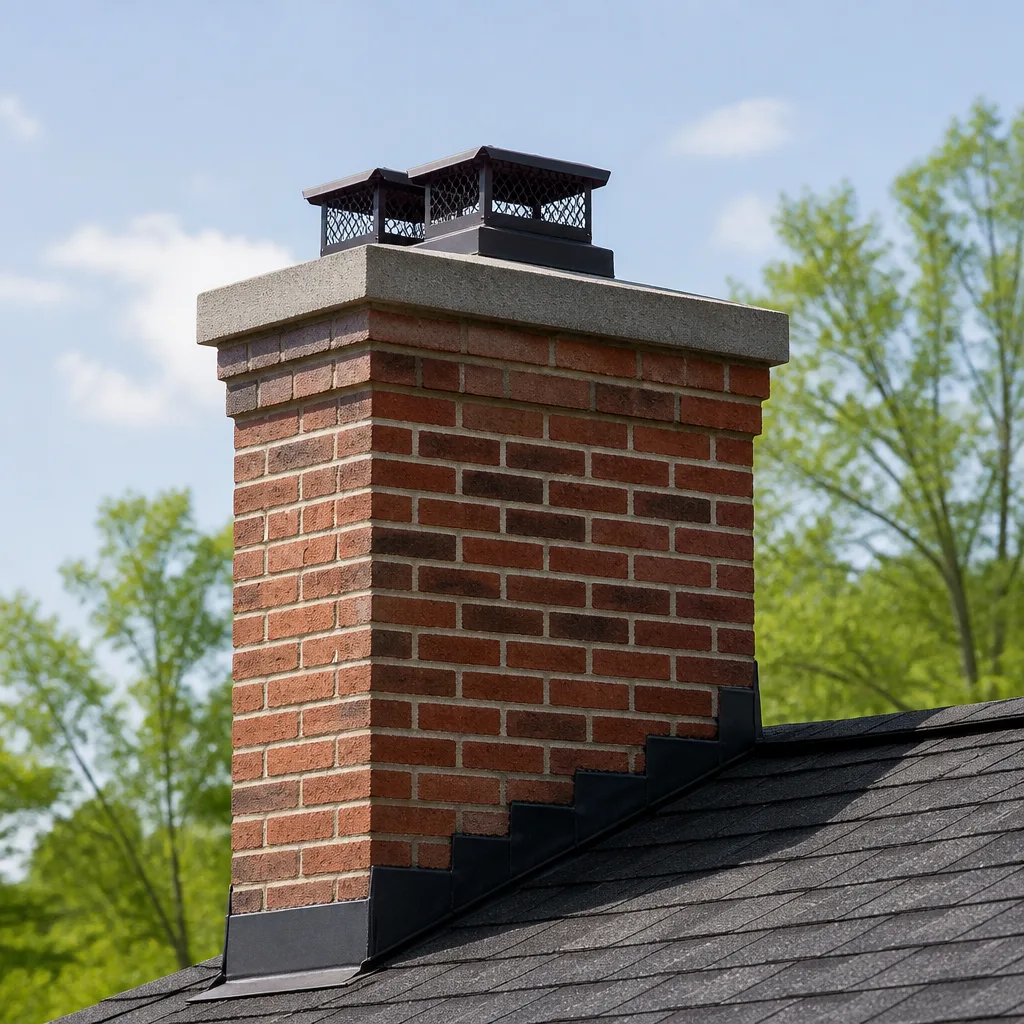
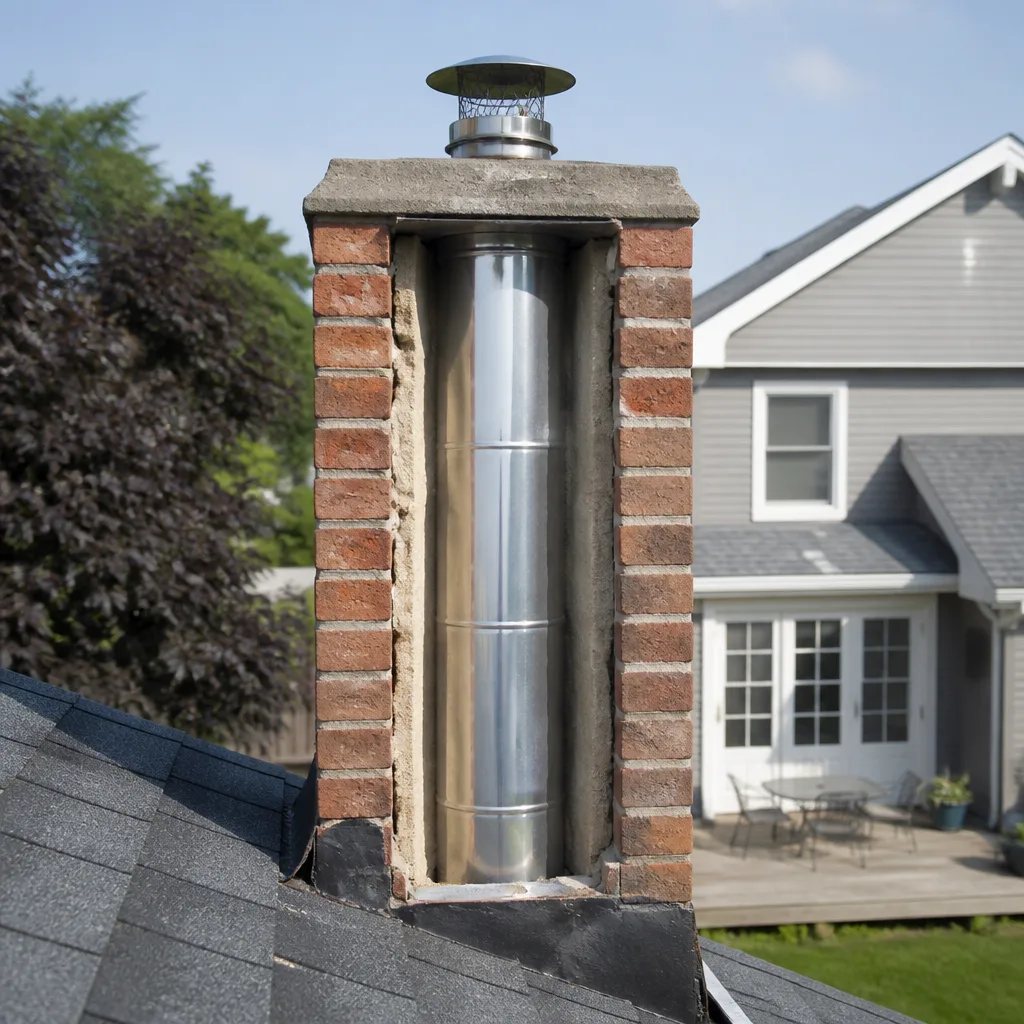
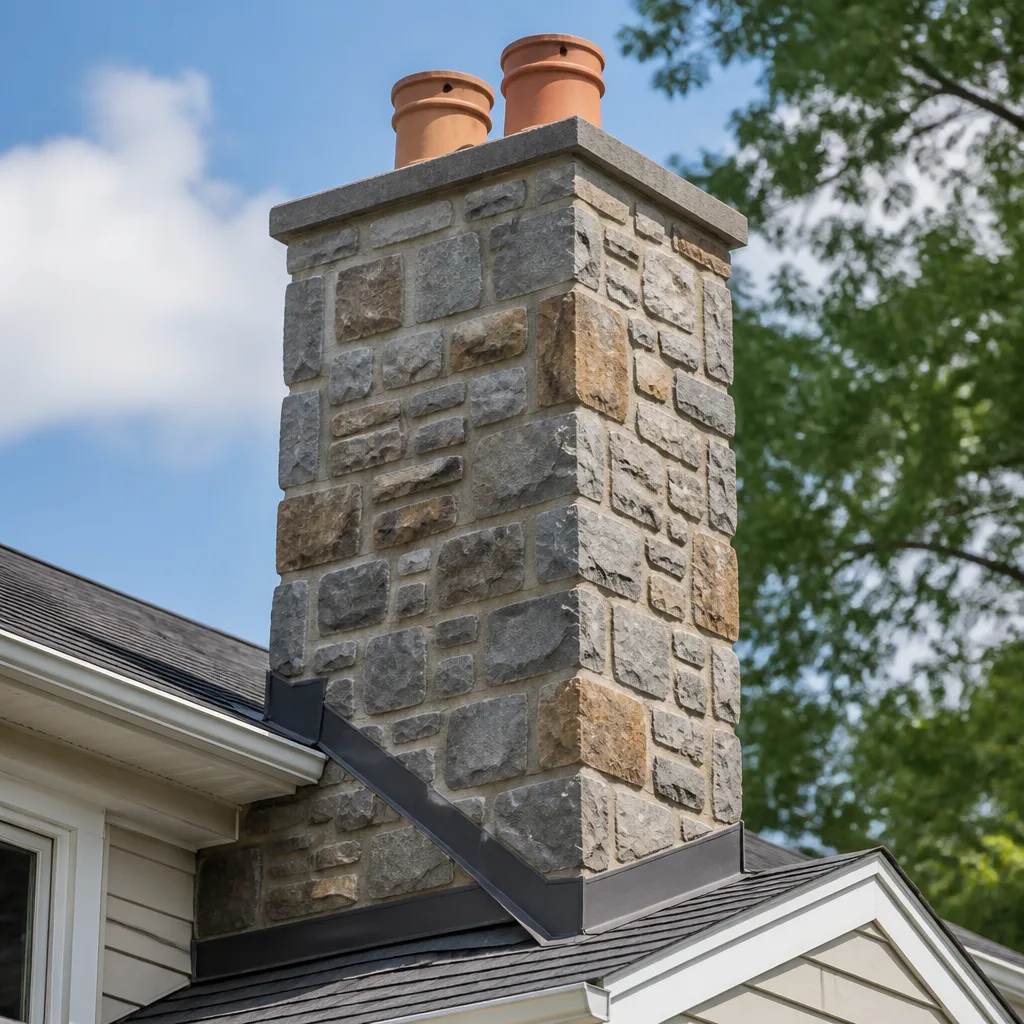
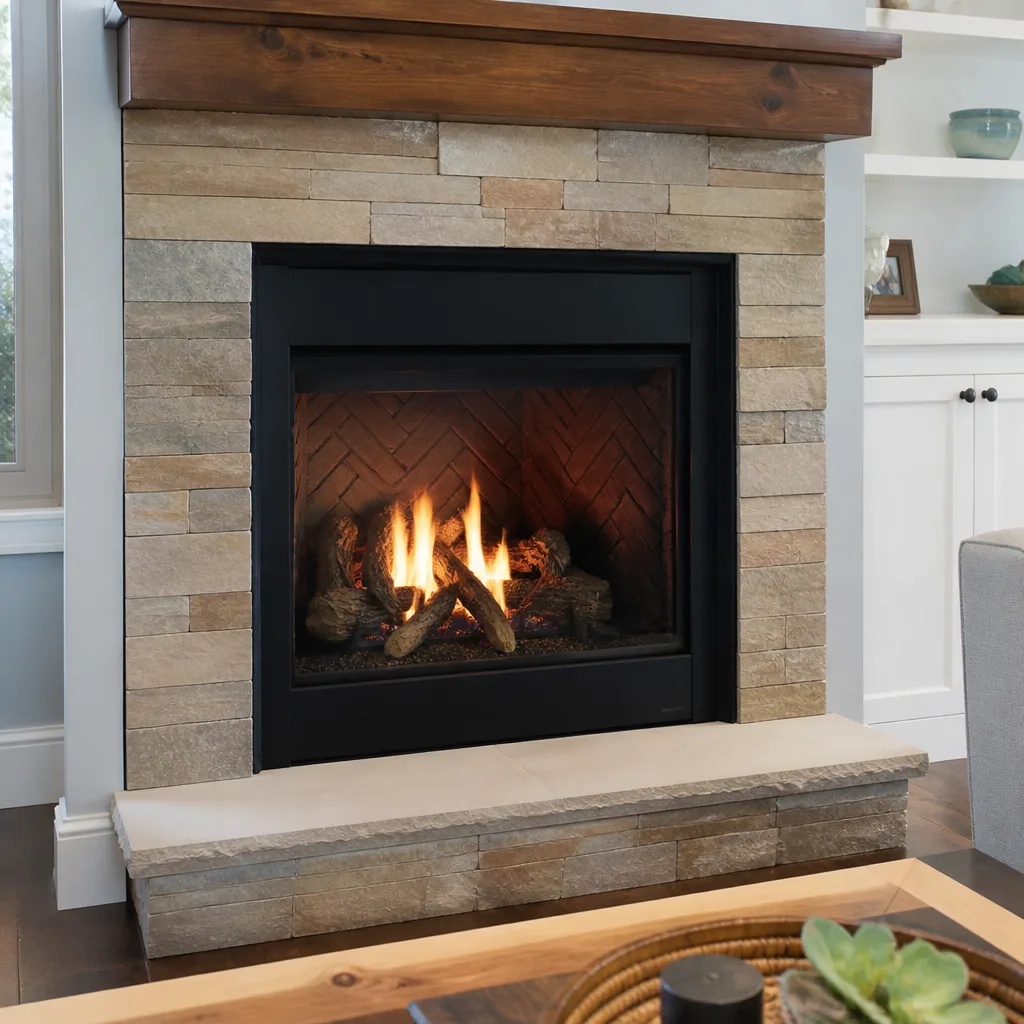
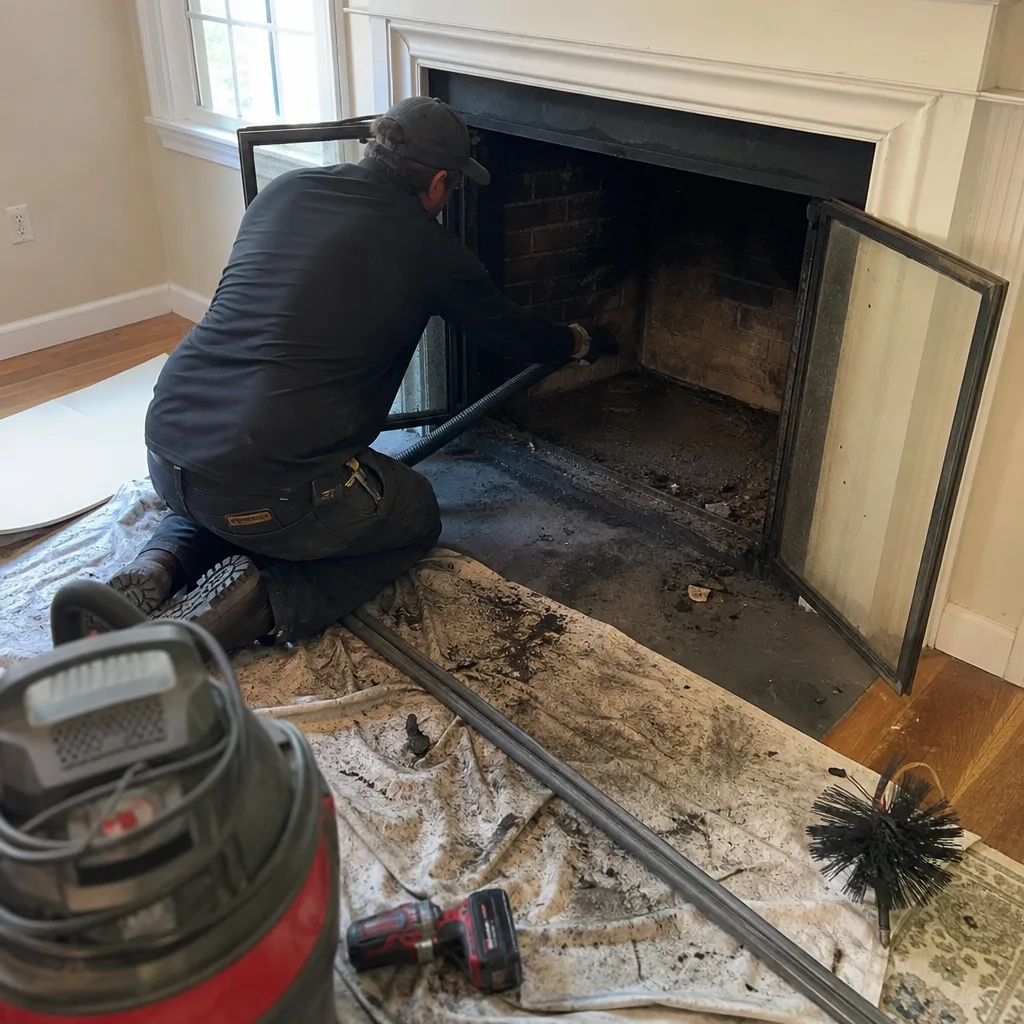 Before
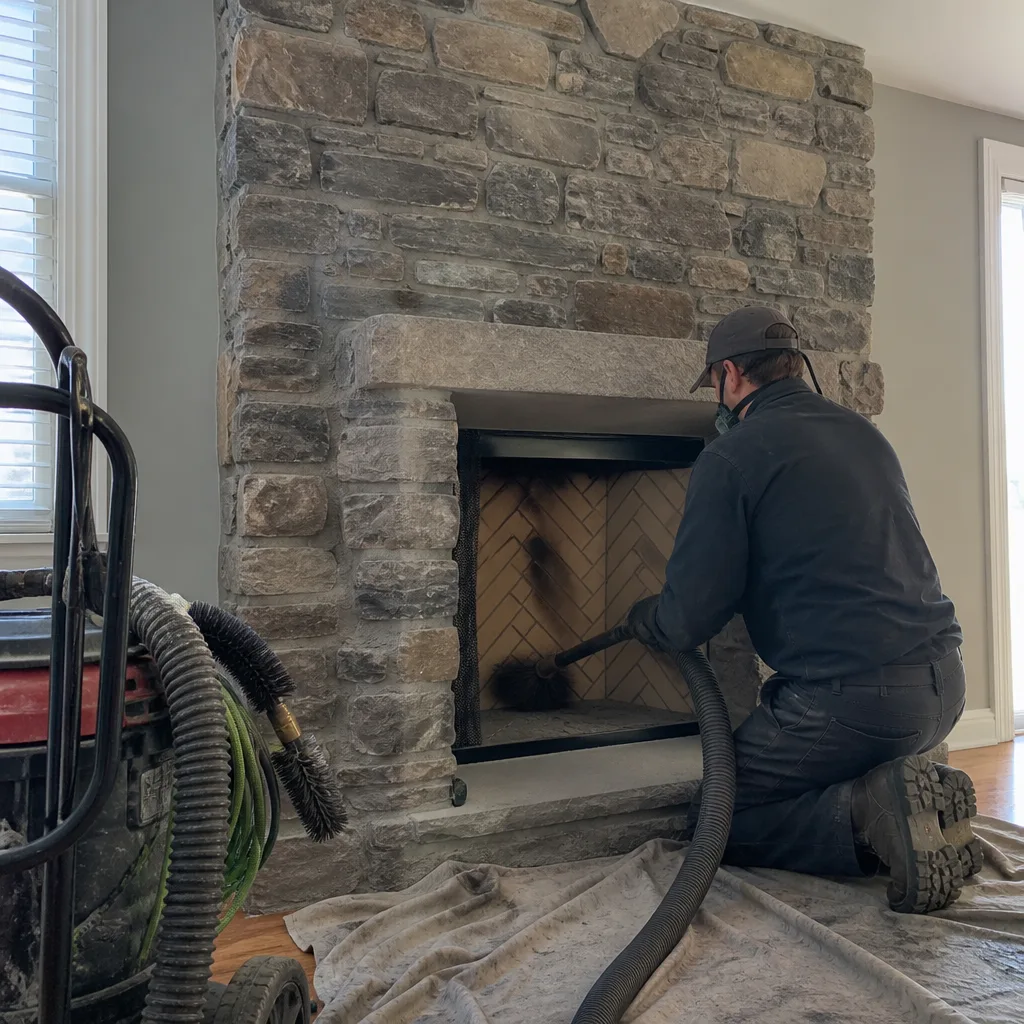 After
After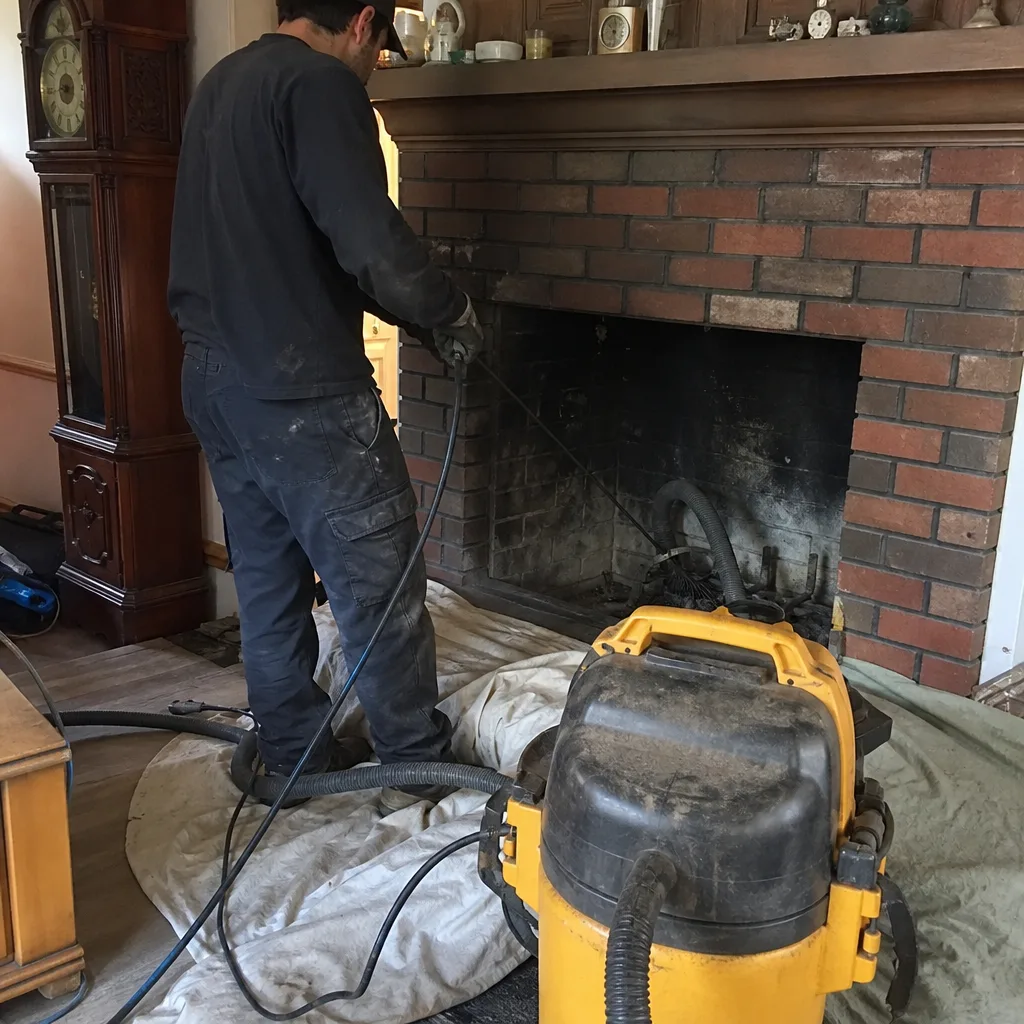 Before
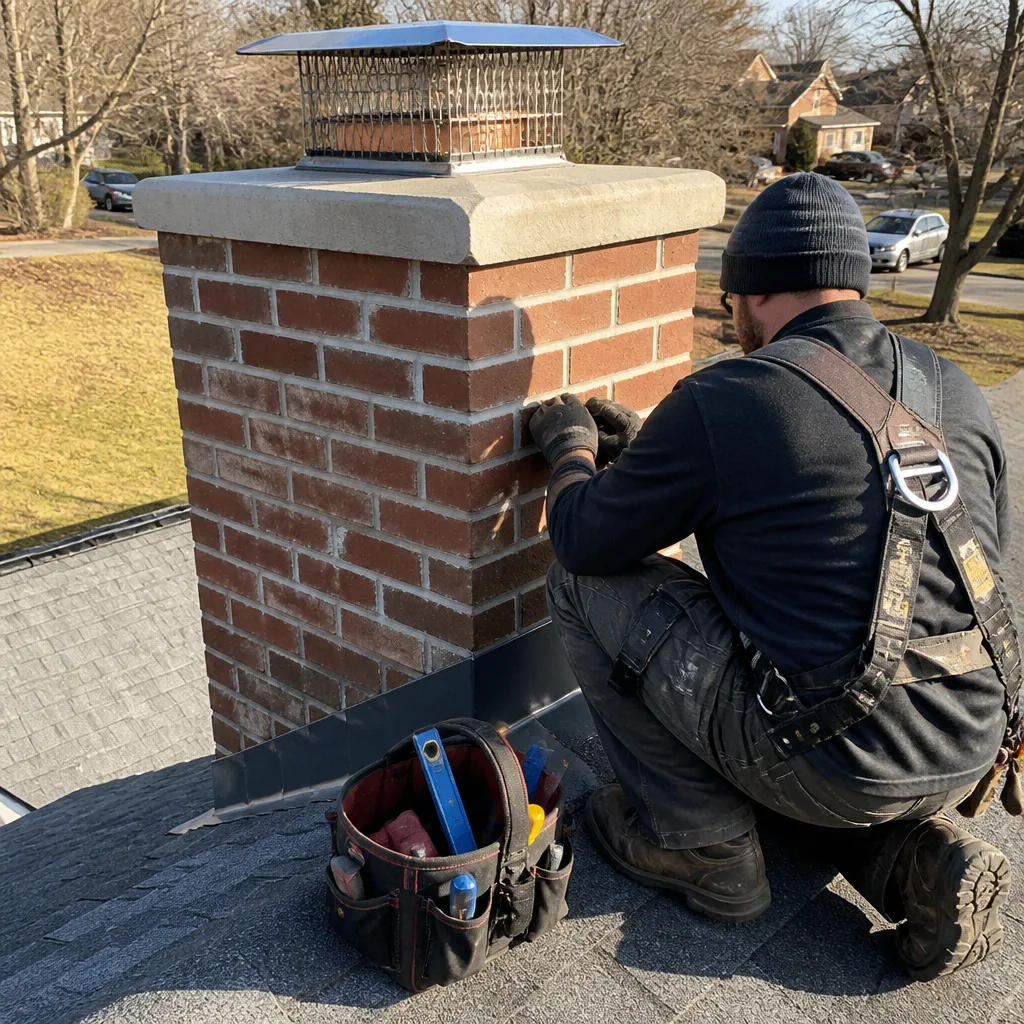 After
After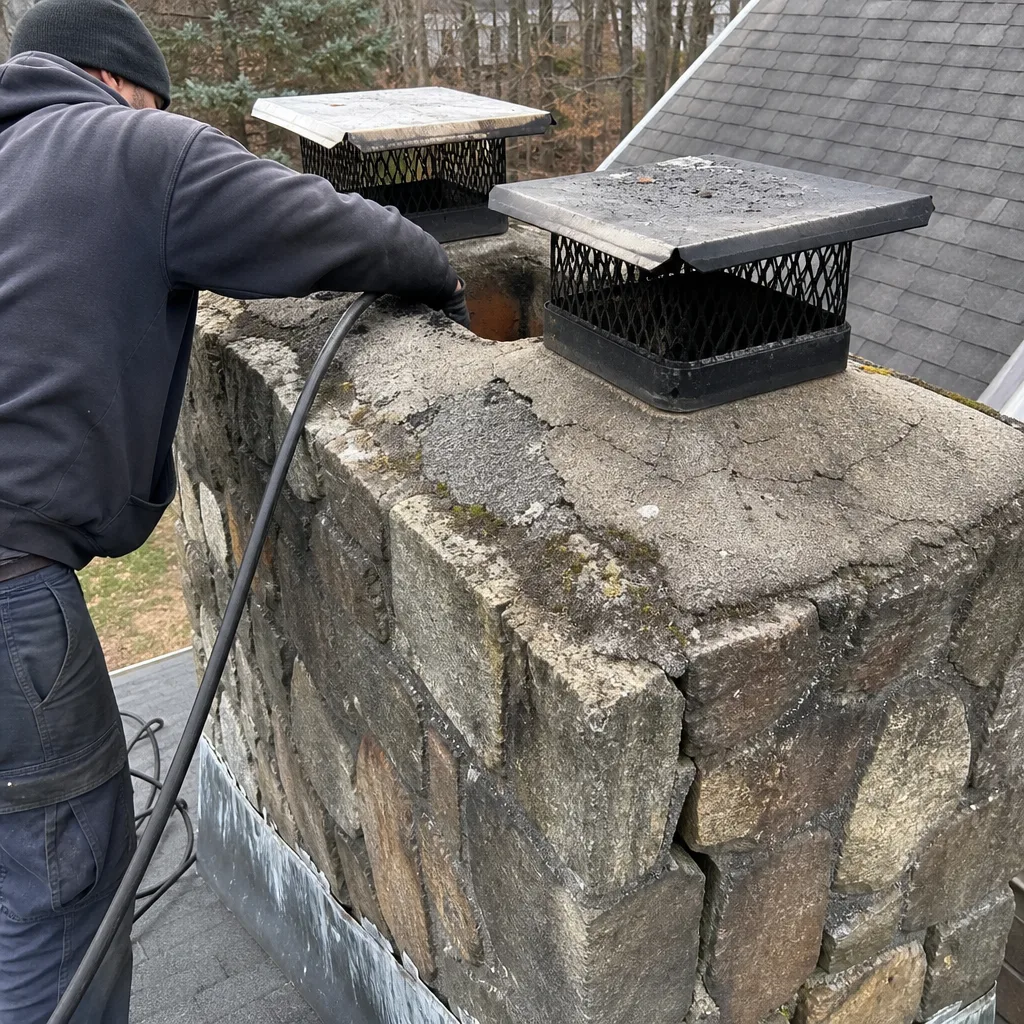 Before
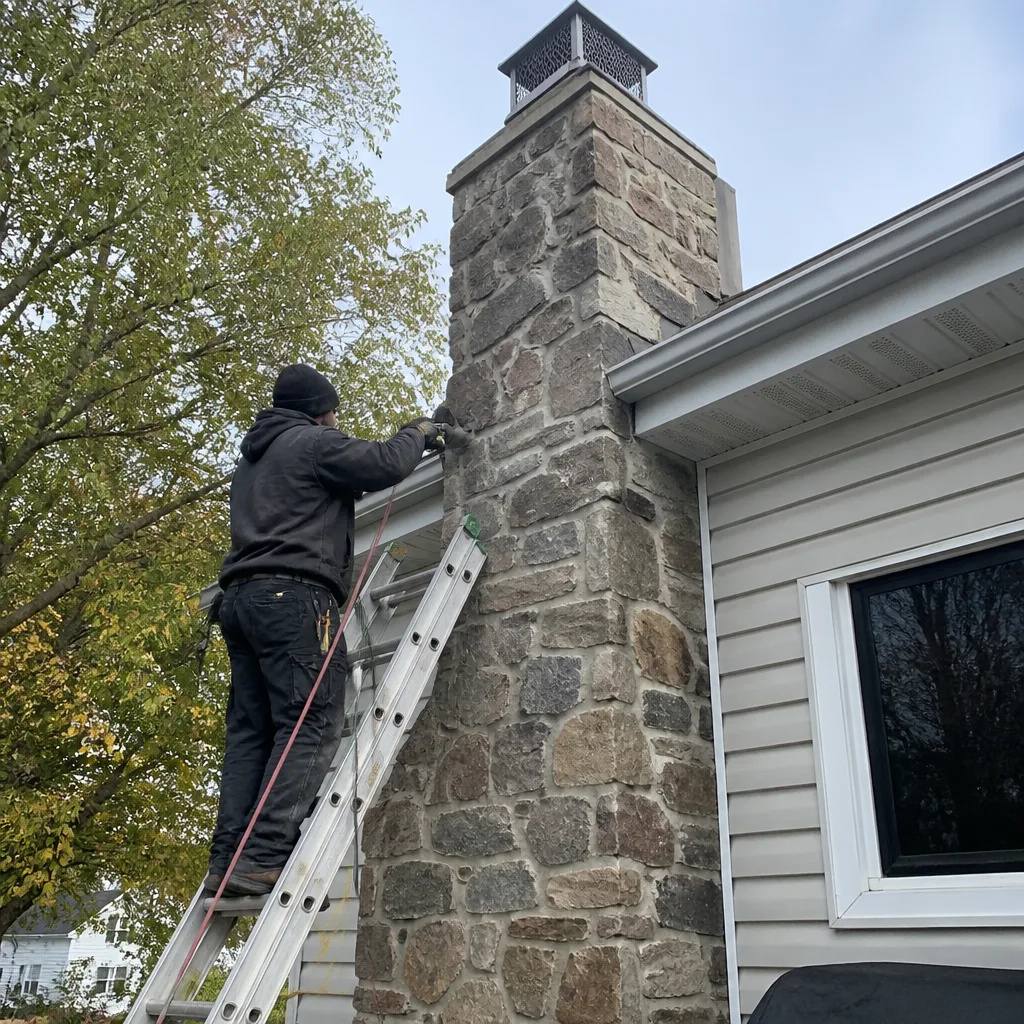 After
AfterSeasonal Chimney Cleaning Care for Danbury: Year-Round Homeowner’s Guide
More chimneys in Danbury are damaged between May and August - when the fireplace sits cold - than during the burning season itself. Trapped humidity from our Housatonic Valley summers, starlings nesting in uncapped flues, and hairline cracks from winter freeze-thaw cycles compound invisibly while no one is looking. The homeowners who call us in October with emergency smoke backups or water stains on the ceiling are often the same ones who skipped a spring inspection because the fireplace “wasn’t being used anyway.” This guide maps what actually happens to a chimney across Danbury’s four seasons, and what to do in each one so small problems stay small - for Chimney Cleaning & Sweep Maintenance Checklist for Danbury Homeowners and more guides & resources, see our blog.
Quick Answer
Year-round chimney care in Danbury means cleaning in late spring before summer moisture locks creosote into liner cracks, inspecting in early fall before the first fire, monitoring burn patterns through winter, and protecting the flue from nesting birds and humidity during summer dormancy. A chimney that receives attention in all four seasons costs 40-60% less to maintain over a decade than one that only gets swept once a year in October - see our Chimney Cleaning Cost Breakdown: The Danbury Homeowner’s Reference for 2026 for detailed pricing.
Table of Contents
- Spring: The Hidden Window for Deep Cleaning
- Summer: Protecting a Dormant Chimney
- Fall: The Pre-Season Inspection Sequence
- Winter: Monitoring Active Use
- How Danbury’s Geography Affects Your Chimney
- Building Your Year-Round Maintenance Schedule
- Common Mistakes to Avoid
- When to Call a Professional
- Frequently Asked Questions
Spring: The Hidden Window for Deep Cleaning
The week after your last fire of the season is the single best time to schedule a chimney sweep in Danbury. Here’s why: creosote is still warm and relatively soft, not hardened by months of summer humidity into a glazed, tar-like coating that requires power brushing to remove. In our experience inspecting chimneys across Danbury’s older neighborhoods - from the cape-style homes off Shelter Rock Road to the colonials near Rogers Park - the sweeps we perform in April and May remove 20-30% more buildup per pass than identical flues cleaned in September after a humid summer.
Spring cleaning also catches winter damage before it worsens. Every chimney in Danbury endured 15-25 freeze-thaw cycles this past winter. Water seeps into hairline cracks in the crown or mortar joints, expands when it freezes, and widens those cracks incrementally. By March, a 1/16-inch crown crack can become a 1/8-inch channel directing rainwater straight to the liner. We document this progression constantly in our chimney cleaning and sweep appointments in Danbury - photos from the Level-2 camera inspection show the damage in plain color, not guesswork.
The spring protocol we recommend:
- Schedule within two weeks of your final fire. Do not wait for “spring cleaning” season in May when our calendar fills with repair calls.
- Request a Level-2 inspection with camera documentation. This is non-negotiable for chimneys over 15 years old, which describes most of Danbury’s housing stock.
- Review the photo report for liner cracks, crown deterioration, and mortar joint gaps. A plain-English verdict should accompany every image.
- Address crown cracks before June. Once summer humidity arrives, minor crown damage accelerates. We use professional-grade crown sealants from Copperfield and Gelco on repairs - materials rated for the temperature swings our region sees.
- Verify the damper seals completely. A damper that doesn’t close tight in April becomes a humidity highway all summer.
Homeowners in the Lake Waubeeka area and other low-lying Danbury neighborhoods should pay particular attention to step four. The combination of spring rains and summer humidity in those microclimates produces moisture intrusion rates we don’t see in the hill sections toward Bethel.
Summer: Protecting a Dormant Chimney
June through August is when most Danbury chimneys suffer their worst damage - quietly, invisibly, while the family is at the lake or the grandchildren visit. The three threats are moisture, nesting birds, and creosote hardening.
Moisture intrusion peaks in July and August when relative humidity in the Housatonic Valley routinely hits 75-85%. Warm, moist air enters the flue through a poorly sealed damper or missing cap, condenses on the cooler interior surfaces, and reactivates acidic compounds in residual creosote. This acidic slurry attacks clay tile liners and stainless steel alike. We’ve pulled liners in September that looked sound in April but showed pitted surfaces and spalled tile after one humid summer.
Nesting birds, particularly European starlings, colonize uncapped chimneys from late April through July. Danbury’s mix of mature trees and established neighborhoods provides ideal habitat. A nest partially blocking the flue doesn’t announce itself - there’s no fire to push smoke back into the room. The first warning is often a September odor of decomposing nesting material or, worse, a live bird in the fireplace when the damper is opened for the season’s first fire.
Creosote hardening is the gradual transformation of soft, brushable soot into glazed creosote that requires chemical treatment or mechanical removal. Heat and humidity catalyze this change. By September, a flue that could have been swept in an hour in May needs a three-hour appointment with power tools.
The summer maintenance checklist is short but specific:
- Close the damper completely - and verify the seal by holding a lit incense stick near the closed damper; smoke should not drift upward.
- Inspect the chimney cap from the ground with binoculars. Look for missing mesh sides, rust streaks on the crown, or gaps between cap and flue tile. A proper cap from Famco or Olympia Chimney has 3/4-inch mesh that excludes starlings while allowing smoke passage.
- Check the exterior for vegetation growth in mortar joints or crown cracks. Ivy and saplings root in deteriorated masonry and accelerate destruction.
- Schedule any crown or cap repairs identified in spring before September demand peaks.
One visual check worth doing from the yard: after a hard summer thunderstorm, look at the chimney’s exterior for dark streaking below the cap or crown. This indicates water is finding a path through, and in Danbury’s summer storm pattern, that path widens with every event.
Fall: The Pre-Season Inspection Sequence
The standard advice - “get your chimney cleaned before the first fire” - is correct as far as it goes. But the timing and sequence matter more than most Danbury homeowners realize. Scheduling your sweep in early September, before the first cold snap drives demand, changes what the technician can actually diagnose and accomplish.
Here’s the difference: by mid-October, our technicians are working 10-12 hour days, and every appointment carries pressure to complete quickly because the next homeowner has no heat until the flue is clear. In September, we can spend the full hour on a thorough Level-2 inspection, run the camera slowly, and discuss findings without a queue of anxious customers waiting. The same technician, the same equipment, produces a more careful result.
The pre-season inspection sequence we follow at Hearthstone Chimney Co.:
- Exterior evaluation: Crown condition, cap integrity, flashing at the roofline, and masonry for spalling or joint erosion. We photograph everything.
- Interior flue scan: Camera inspection from firebox to cap, documenting liner condition, creosote buildup type and thickness, and any obstructions.
- Smoke chamber and firebox inspection: Check for cracked refractory panels, deteriorated mortar, and proper clearances to combustibles.
- Damper operation and seal test: Verify full range of motion and complete closure.
- Combustion appliance zone test: Confirm proper draft and identify any spillage of combustion gases into the living space.
Fall is also when we most often identify liner damage that requires repair before safe use. The key question homeowners should ask: “Can you show me the photo, and can this wait?” At Hearthstone, nothing is recommended without camera evidence the homeowner can see for themselves. Some liner cracks are cosmetic surface crazing that monitors safely for a season. Others are through-cracks that require immediate relining with DuraFlex stainless steel or HeatShield cerfractory sealant. The photo makes the distinction clear, and we say plainly when work can safely wait.
Danbury’s fall weather pattern - warm days, cold nights, frequent rain - creates ideal conditions for final pre-winter masonry repairs. Crown sealing and minor tuckpointing cure properly in September temperatures. By November, cold nights slow curing and reduce bond strength.
Winter: Monitoring Active Use
Once the burning season begins, most homeowners stop thinking about chimney maintenance until spring. This is understandable but costly. A chimney in active use provides real-time information about its condition - if you know what to observe.
Smoke behavior is the first signal. Smoke that lazily drifts into the room when starting a fire, rather than drawing briskly up the flue, indicates either a cold flue, partial obstruction, or deteriorating draft. In Danbury’s older homes with exterior chimneys on north-facing walls, the “cold flue” syndrome is common. The solution is priming: burn a tightly rolled newspaper at the flue opening for 60 seconds before lighting the main fire. If smoke still lazes after priming, call for inspection - the obstruction or draft failure will not self-correct.
Firewood choices matter in winter monitoring. Seasoned hardwood (oak, maple, hickory) burns at 600-900°F flue temperatures, producing moderate creosote. Unseasoned or softwood fires burn cooler and wetter, depositing glazed creosote rapidly. We see the consequences in January and February: chimneys swept in October that need interim cleaning by February because the homeowner burned green wood or pine for “easy starting.” The NFPA 211 standard calls for inspection annually and cleaning when buildup reaches 1/8 inch - which can happen mid-season with poor fuel choices.
Physical signs around the hearth:
- White or tan residue on exterior masonry (efflorescence) indicates water vapor moving through the structure - freeze-thaw damage is active.
- Crumbling mortar or tile fragments in the firebox mean liner deterioration is advancing.
- A persistent smoky odor when the fireplace is not in use suggests creosote buildup reaching hazardous levels.
- Discoloration of walls or ceiling near the chimney chase indicates water intrusion or, rarely, pyrolysis of nearby combustibles from heat transfer.
Any of these signs warrant a mid-season call. We do not recommend waiting for the spring appointment. The risk is not theoretical: chimney fires peak in January nationally, and Danbury’s volunteer fire departments respond to multiple chimney fires each winter. Most originate in flues that were “swept last fall” but developed hazardous buildup from burning practices or undetected liner damage.
For homeowners who burn 3+ times weekly, we recommend a voluntary “half-season check” - a brief visual inspection and draft test we perform in January. It’s not a full sweep, but it catches the problems that develop between annual services.
How Danbury’s Geography Affects Your Chimney
Danbury sits at approximately 480 feet elevation in the Housatonic River watershed, with the Still River and its tributaries draining through the city center. This geography creates chimney conditions distinct from coastal Connecticut and even from nearby towns at higher elevation like New Milford or Washington.
Moisture intrusion rates in Danbury exceed those of coastal towns like Stamford or Norwalk, despite lower total rainfall. The reason is humidity retention. The Housatonic Valley traps moist air, particularly overnight, and the city’s mix of wooded hills and developed lowlands creates temperature inversions that slow drying. A chimney in Danbury’s Lake Kenosia area or along the Still River floodplain experiences more annual wet-hours than one in Ridgefield or Redding at higher elevation with better air drainage.
This matters for material selection. The stainless steel liners we install use DuraFlex and Olympia Chimney products rated for wet-fire conditions - the repeated cycle of moisture exposure followed by high-temperature drying that characterizes our regional climate. Clay tile liners, common in pre-1980s Danbury construction, fail prematurely here compared to drier inland climates because they absorb more moisture and experience more freeze-thaw stress.
Freeze-thaw cycles in Danbury average 40-60 per winter, compared to 20-30 in sheltered coastal locations. Each cycle widens existing cracks incrementally. Crown sealant and mortar selections must accommodate this - we use flexible, vapor-permeable formulations that move with the masonry rather than cracking again in the first hard winter.
Wind patterns also differ. Danbury’s position west of the Berkshire Hills exposes chimneys to prevailing westerlies that can create downdraft conditions, particularly on homes with chimneys shorter than surrounding rooflines or trees. The solution is often a specialized cap or draft-inducing termination, not a taller chimney. We’ve resolved chronic smoke problems in the Padanaram area and western Danbury neighborhoods with Famco wind-resistant caps that standard hardware-store products could not fix.
Understanding these local factors is why a Danbury-based sweep outperforms a regional chain that applies identical protocols in Hartford, New Haven, and Danbury. The chimney on a 1960s ranch near Candlewood Lake faces different stresses than the same-era ranch in Hamden, and the maintenance approach should reflect that.
Building Your Year-Round Maintenance Schedule
A chimney maintained on a true year-round cycle costs less, fails less, and lasts longer. The schedule below integrates the seasonal guidance above into a practical calendar. Adjust based on your burning frequency - heavy users (4+ fires weekly) should advance each appointment by 2-4 weeks.
| Timing | Action | Purpose | Typical Cost Range in Danbury |
|---|---|---|---|
| Late March - Early April | Post-season sweep + Level-2 inspection | Remove soft creosote; catch winter damage before summer humidity | $250-$350 |
| Mid-May | Address any crown, cap, or flashing repairs identified in spring | Seal envelope before nesting season and summer storms | $180-$600 depending on scope |
| Mid-June | Visual exterior check from ground; verify damper seal | Confirm summer protection; catch cap or masonry issues early | Free (homeowner performed) |
| Early September | Pre-season inspection + sweep if needed | Clear any summer obstructions; verify safe operation before first fire | $250-$350; $89 with Seasonal Tune-Up offer |
| Mid-January | Half-season check (optional, for heavy users) | Monitor creosote accumulation; catch developing problems mid-season | $125-$175 |
The total annual investment for a typical Danbury homeowner using this schedule: $375-$725 for light to moderate burning, compared to $1,200-$4,000 for the emergency repairs and water damage restoration that follow neglected maintenance. The math is straightforward, but only if the calendar is followed.
Our chimney repair services in Danbury handle the problems that prevention misses - but we’d rather not see you for those. The 90-Day Done Right Promise covers every repair we perform: if it’s not right, we make it right, in writing, no arguing. That’s the Keystone Standard we’ve operated under since 1984.
Common Mistakes to Avoid
- Waiting for October to schedule. By mid-October, every reputable sweep in Danbury is booked two weeks out. The homeowner who waits often settles for an unvetted operator or skips the year entirely. We answer calls 24/7, but we can’t create appointment slots that don’t exist.
- Assuming “no fire, no problem” in summer. The chimneys we repair most expensively are the ones that sat idle for two summers while moisture and nesting damage compounded. Summer dormancy is not summer immunity.
- Burning unseasoned wood. Wood with more than 20% moisture content burns inefficiently, deposits glazed creosote rapidly, and can require mid-season cleaning that wasn’t budgeted. In Danbury’s humid climate, even “seasoned” wood stored outdoors needs 18-24 months to dry properly.
- Ignoring the damper. A damper that doesn’t seal is an open window to humidity, birds, and conditioned air loss. The fix is usually simple - adjustment, new gasket, or replacement - but the consequences of ignoring it are not.
- Accepting a sweep without camera inspection. In 2024, a chimney sweep who cannot show you photo evidence of your flue’s condition is working blind, and so are you. We document every inspection with photos and a plain-English verdict. Anything less is guesswork.
- DIY crown sealing with hardware-store caulk. Standard silicone caulk fails within one winter on chimney crowns. The proper materials - vapor-permeable, UV-stable, flexible at 0°F - come from chimney-supply manufacturers like Gelco and Copperfield, not the paint aisle.
- Skipping the fall inspection because “it was just cleaned in spring.” Spring cleaning removes creosote. It does not prevent summer obstructions, cap damage from June windstorms, or animal entry in July. The fall inspection verifies the flue is still clear and sound before ignition.
When to Call a Professional
Call a certified chimney professional when you observe smoke entering the room, detect persistent smoky odors, notice exterior masonry damage, or cannot verify your last inspection date. These are not “watch and wait” situations - chimney fires and carbon monoxide intrusion can escalate without further warning. For any fireplace services in Danbury involving gas lines, ignition systems, or structural modification, professional evaluation is essential for safety and code compliance.
Hearthstone Chimney Co. offers free estimates in Danbury - call (475) 375-9457. A live person answers every call, 24 hours a day, 7 days a week. Our background-checked, uniformed technicians complete most jobs in a single visit, with no-hassle upfront pricing so the number on the estimate is the number on the invoice. We’ve served local communities for over 42 years, and we plan to be here when your grandchildren own the house.
Frequently Asked Questions
A standard chimney sweep with Level-2 camera inspection in Danbury typically ranges from $250 to $350, depending on flue accessibility, buildup severity, and whether the chimney serves a fireplace, wood stove, or furnace. For Chimney Cleaning Permits, Codes & Inspections in CT: What You Need to Know, visit our blog. Our $89 Seasonal Tune-Up offer covers basic cleaning and safety checks for qualifying systems during promotional periods. Call (475) 375-9457 for an exact quote - estimates are free.
The National Fire Protection Association recommends annual inspection for all chimneys, with cleaning as needed based on creosote accumulation. In Danbury’s climate, most wood-burning fireplaces need sweeping every 1-2 cord burned, which typically means annually for moderate users. Heavy users (4+ fires weekly) may need mid-season attention. Gas fireplaces require less frequent cleaning but still need annual inspection for venting integrity and debris obstruction.
You need a new liner when the existing one is damaged in ways that compromise safety - through-cracks in clay tile, corrosion holes in stainless steel, or missing sections that expose combustible framing. Not all cracks require replacement; surface crazing can monitor safely. At Hearthstone, we show you the camera photo and explain whether the damage is “watch,” “repair,” or “replace.” Nothing is recommended without evidence you can see yourself. Call (475) 375-9457 to schedule an inspection with photo documentation.
Skipped maintenance leads to three predictable outcomes: creosote buildup sufficient to support a chimney fire (which can reach 2,000°F and crack masonry or ignite nearby framing); moisture intrusion causing liner deterioration and ceiling water damage; or carbon monoxide spillage from blocked or damaged flues. In Danbury, we see all three annually, and the repair costs typically exceed a decade of proper maintenance. The risk is real but entirely preventable.
Homeowners can perform basic firebox cleaning and visual exterior checks, but flue sweeping requires proper brushes, rods, and vacuum equipment, plus the ability to evaluate what the brush reveals. More importantly, only a camera inspection can assess liner condition hidden from view. For safety-critical components - high-temperature liners, combustion gas pathways, and structural integrity - we recommend professional evaluation. The cost of professional service is modest compared to the consequences of undetected failure.
Summer chimney odors in Danbury typically come from three sources: creosote deposits reactivated by humidity (a sour, smoky smell); bird or animal nesting material decomposing in the flue; or negative air pressure in the house drawing downdrafts through the chimney. A proper cap, sealed damper, and clean flue eliminate the first two. The third may require house-pressure evaluation. We diagnose odor sources during our standard inspection - call (475) 375-9457 to schedule.
The Bottom Line
Danbury’s four seasons each present distinct chimney risks: spring’s window for effective cleaning before humidity hardens creosote, summer’s quiet threats of moisture and nesting, fall’s critical pre-season verification, and winter’s need for active monitoring. The homeowners who spend the least on chimney care over a decade are not the ones who find the cheapest annual sweep - they’re the ones who match maintenance to the actual calendar of risk. A square deal, no surprises on the bill, and the job done right the first time: that’s how we’ve operated since 1984, and it’s how we plan to continue serving Danbury. For more guides & resources, explore our blog.
Written by Russell Haines, Owner at Hearthstone Chimney Co., serving Danbury since 2014.