
Last updated September 10, 2026
Level 1 sweep and inspection to the NFPA 211 annual standard - flue, crown, cap, and flashing checked and photographed
Chimney sweep logs do not sweep chimneys. They loosen some creosote - which then falls where a brush and vacuum still have to collect it.
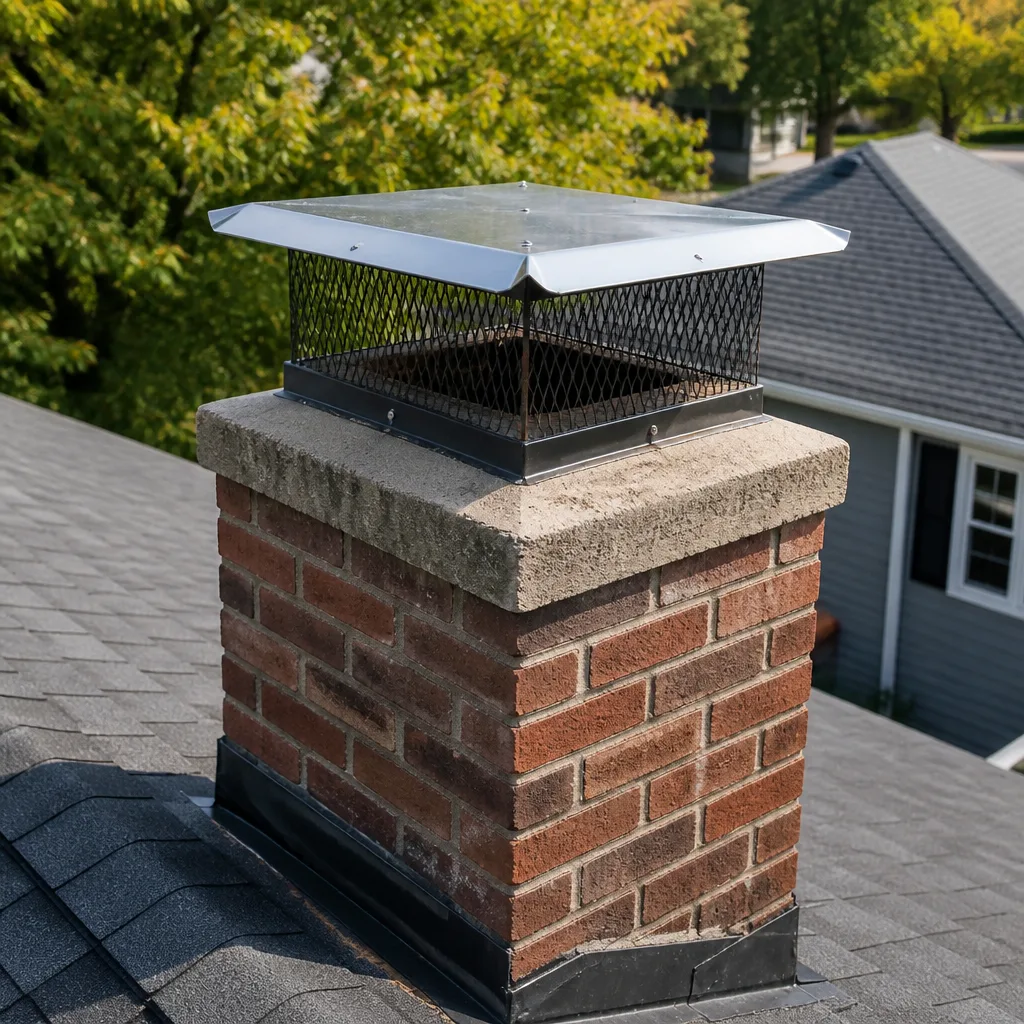
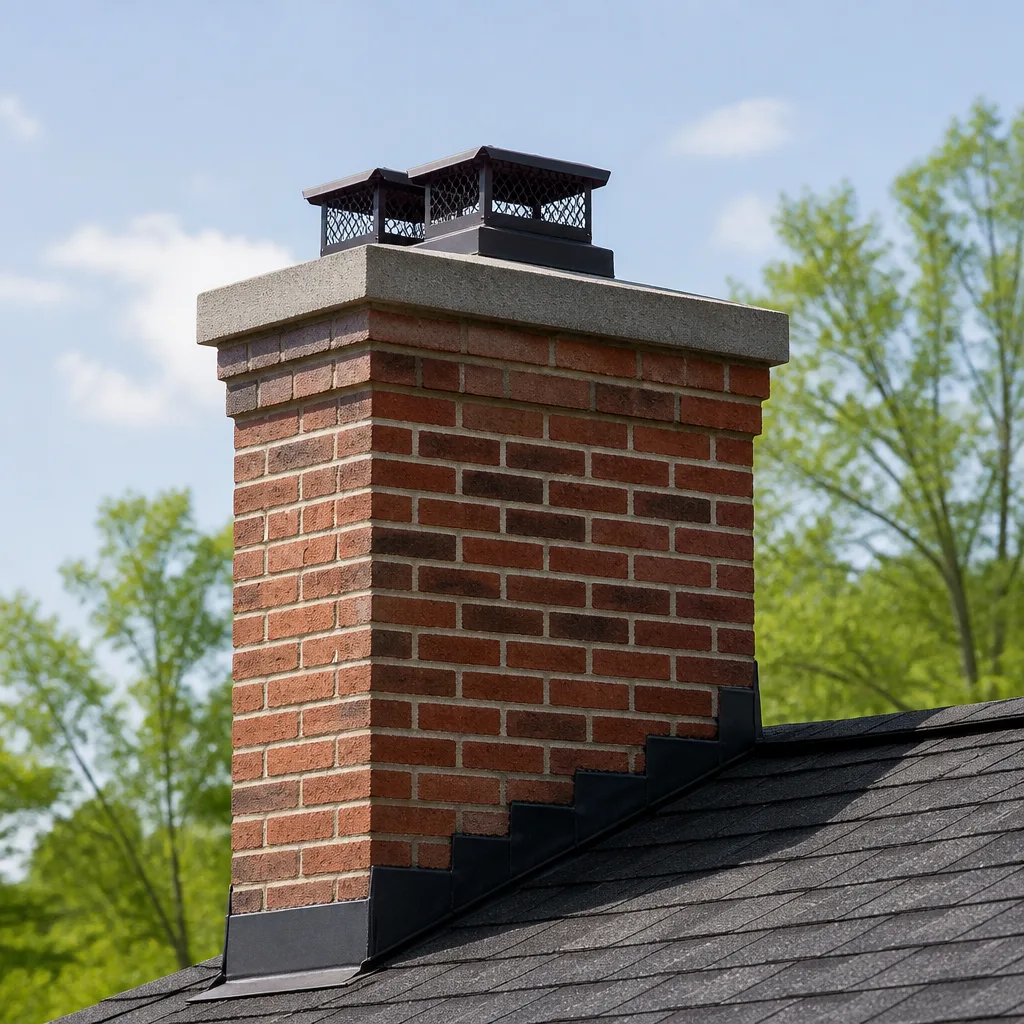
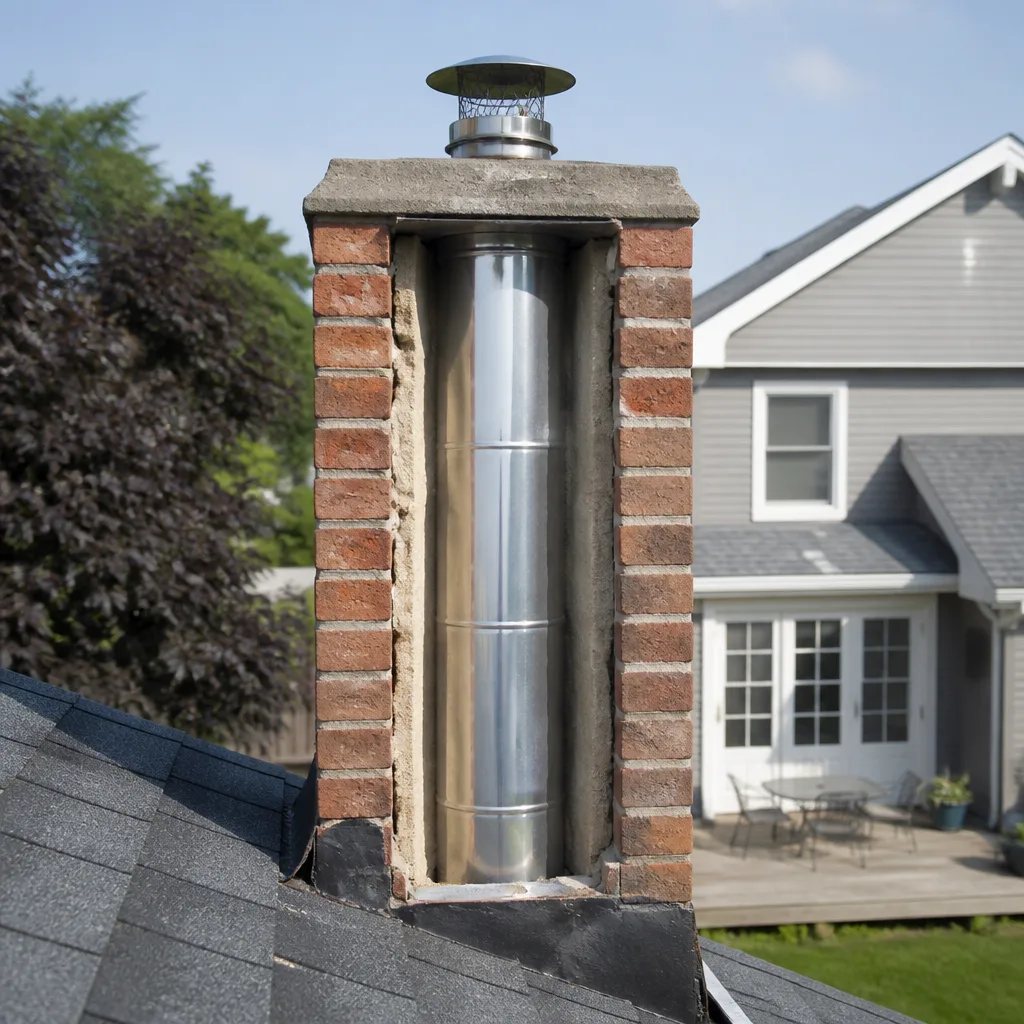
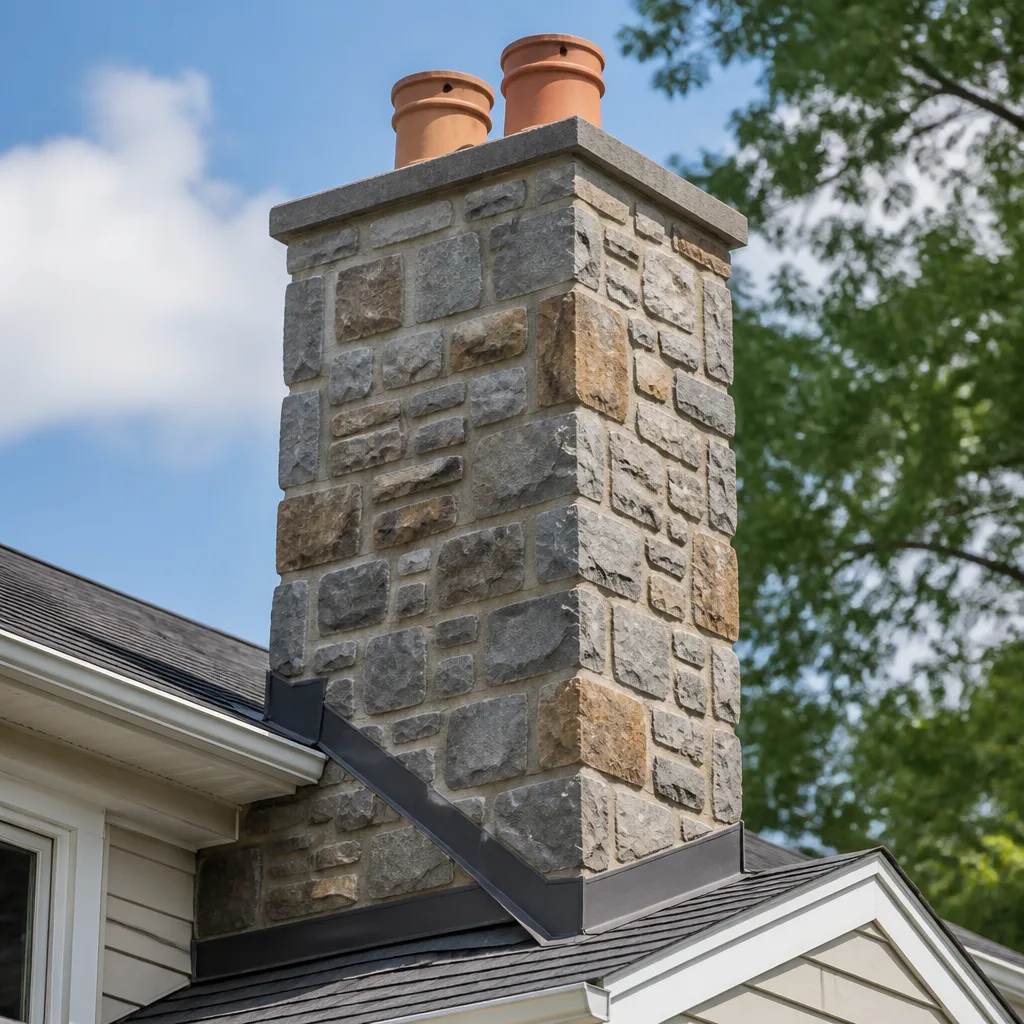
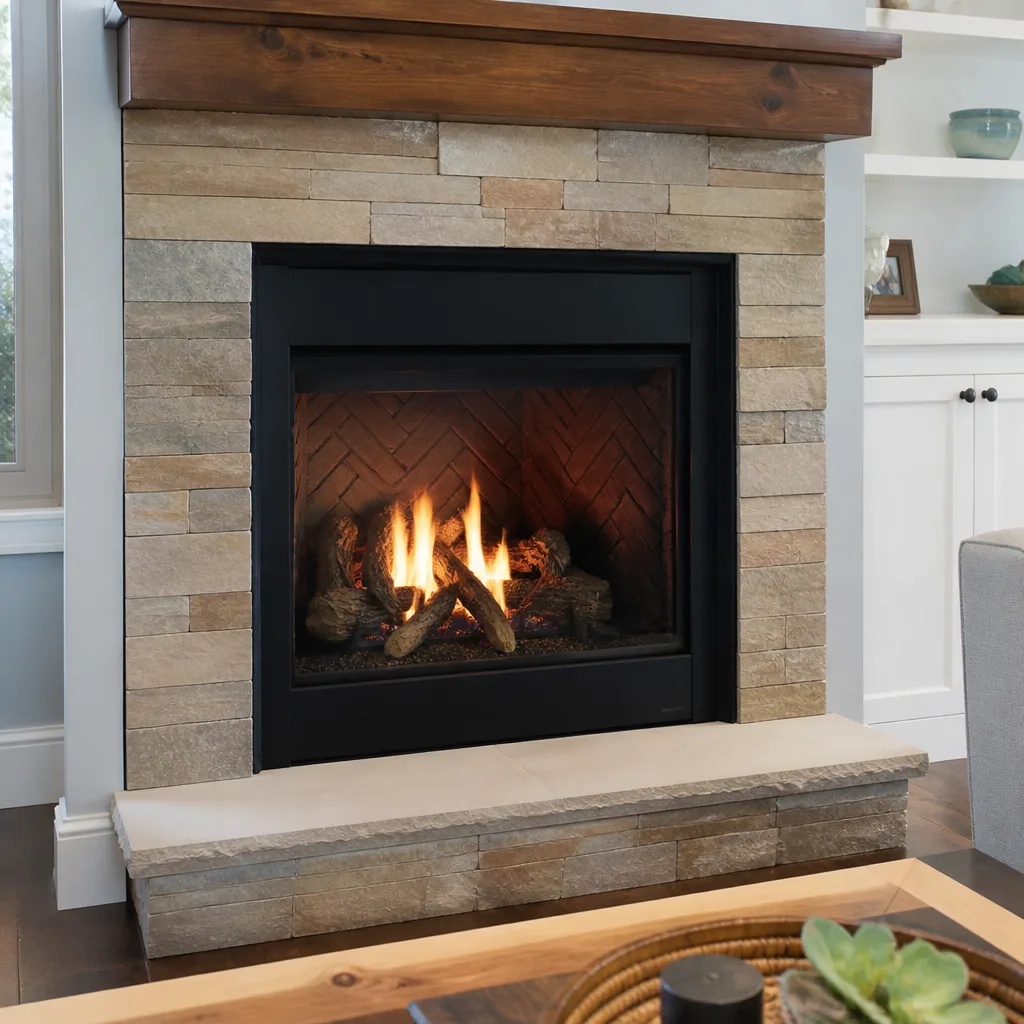
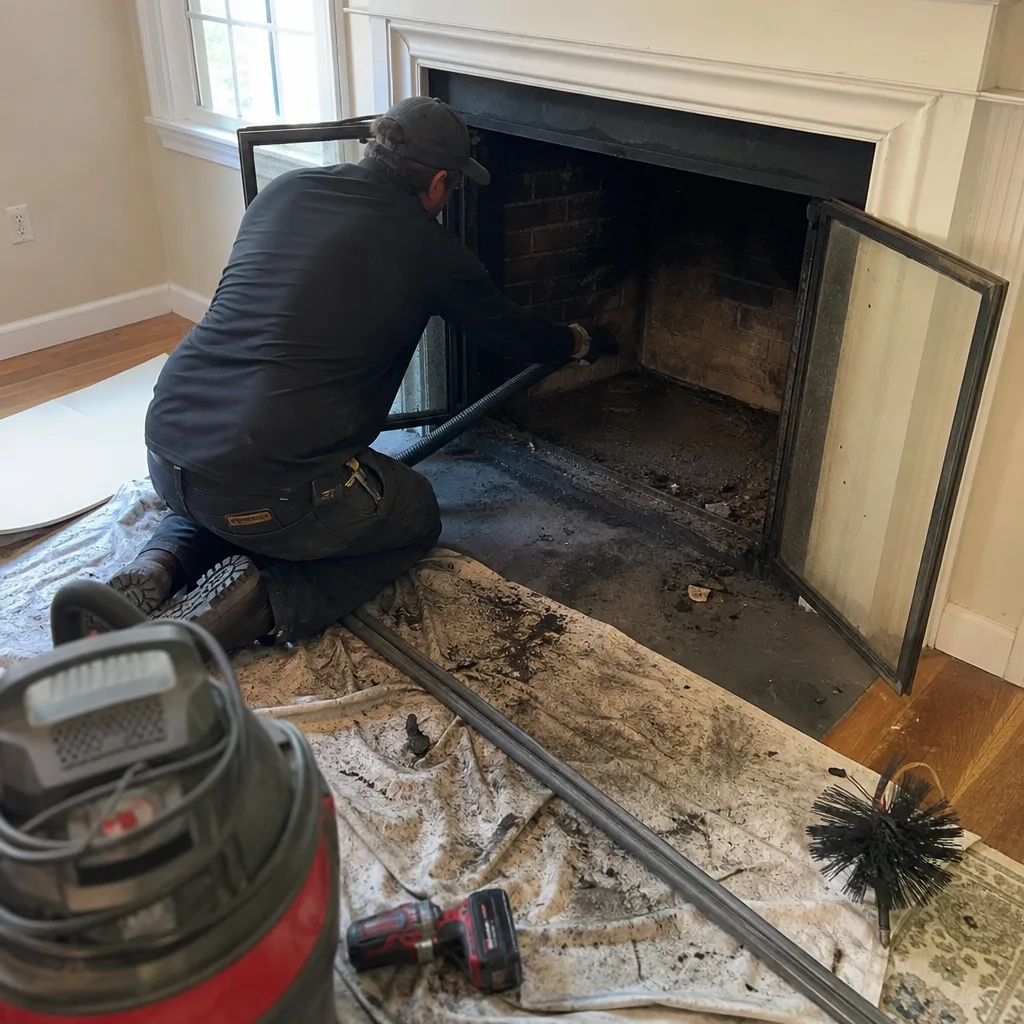 Before
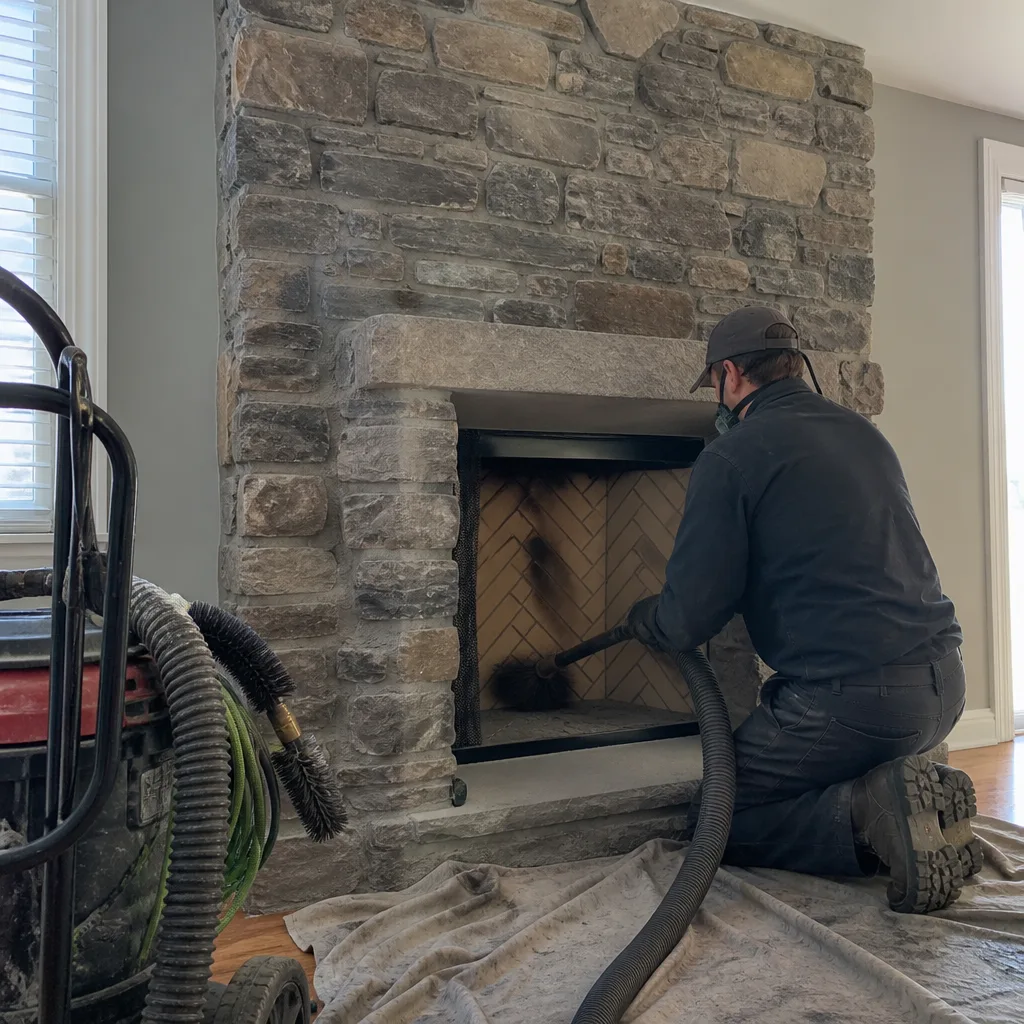 After
After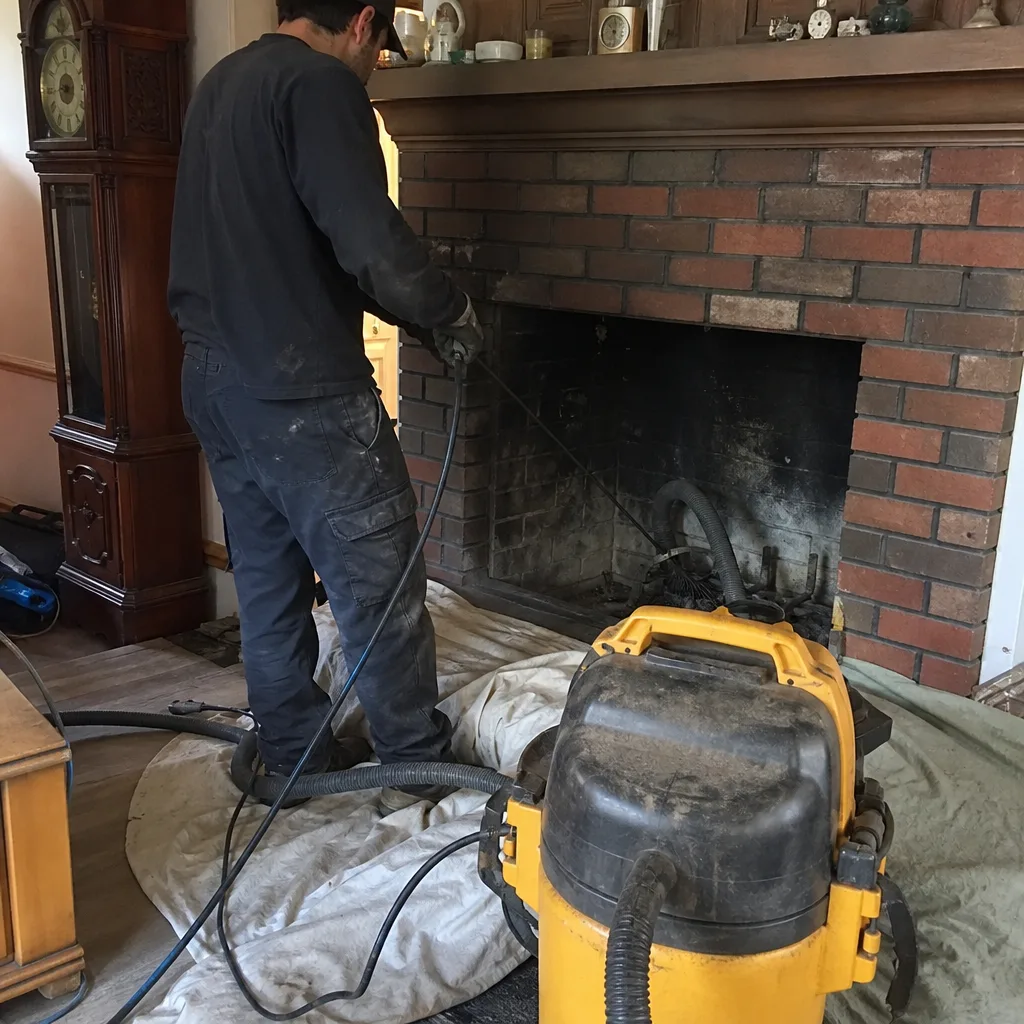 Before
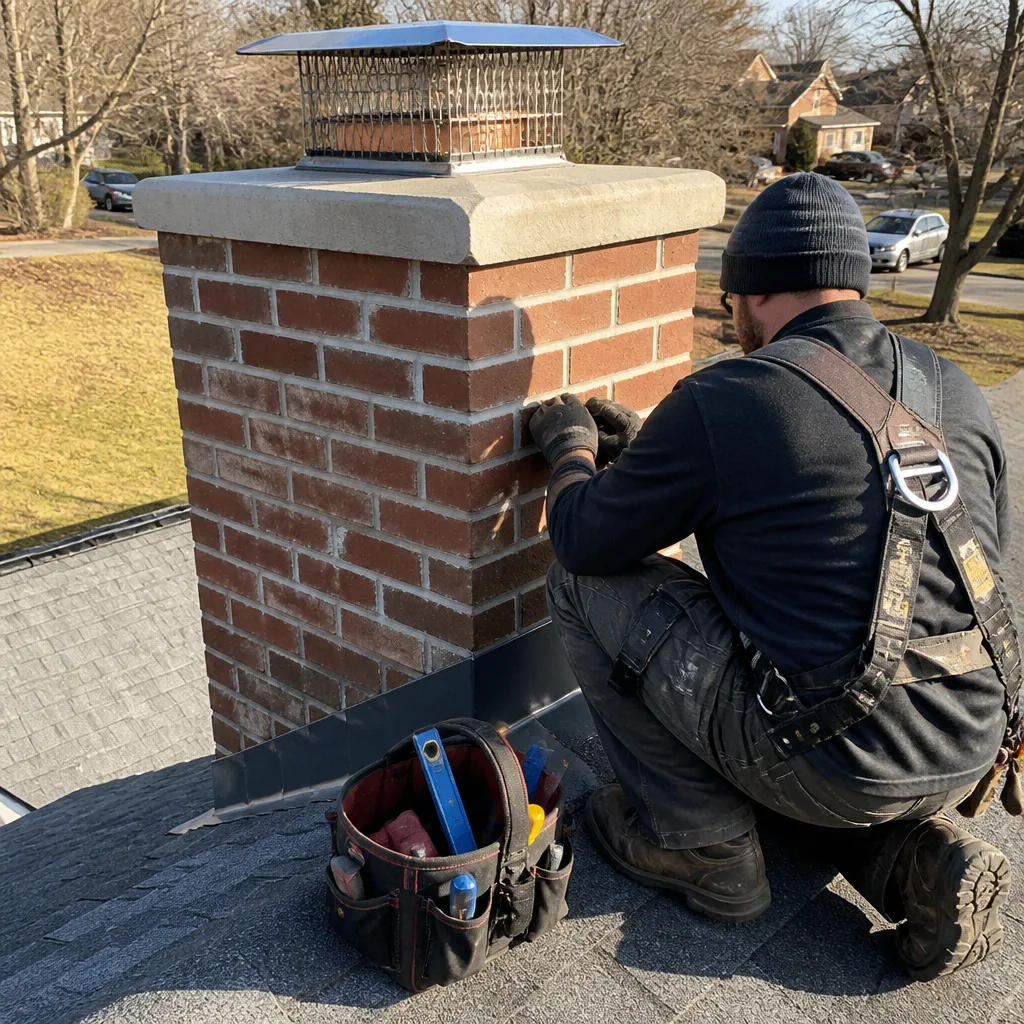 After
After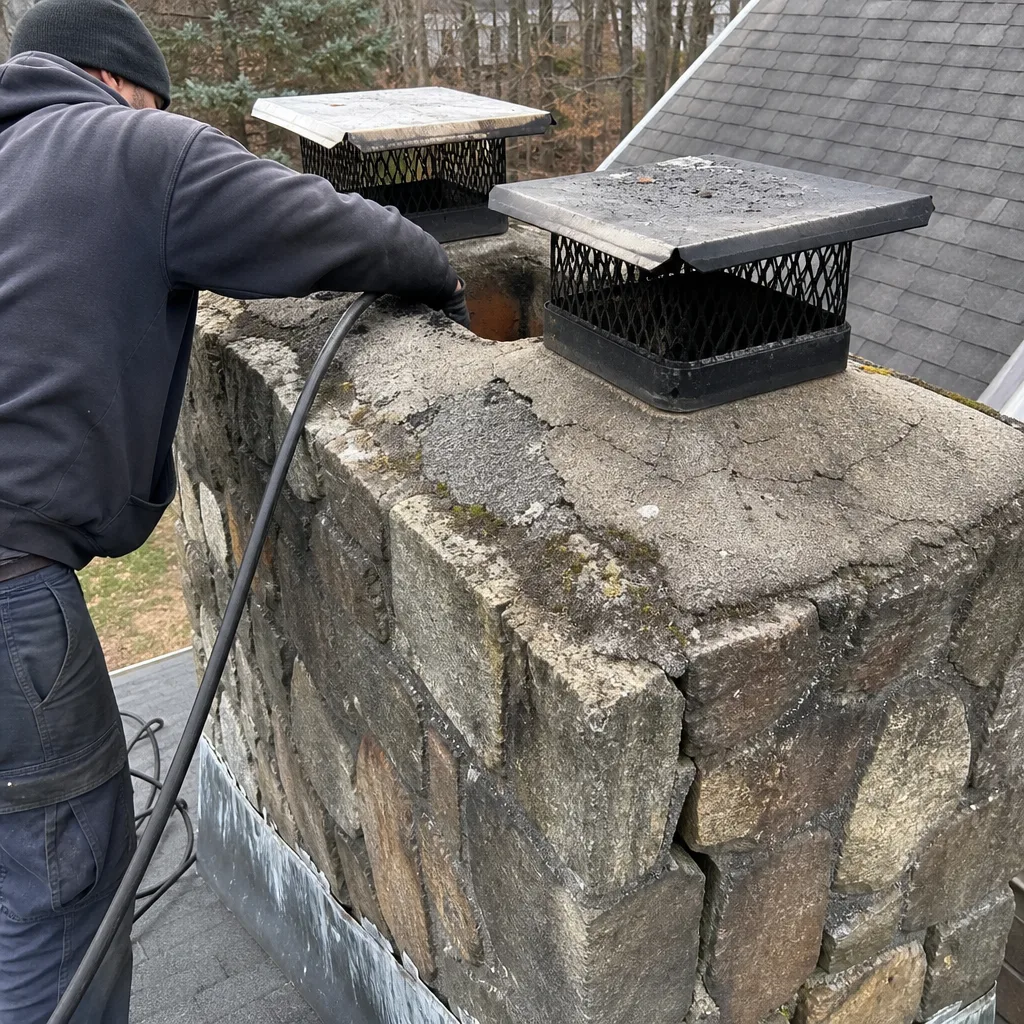 Before
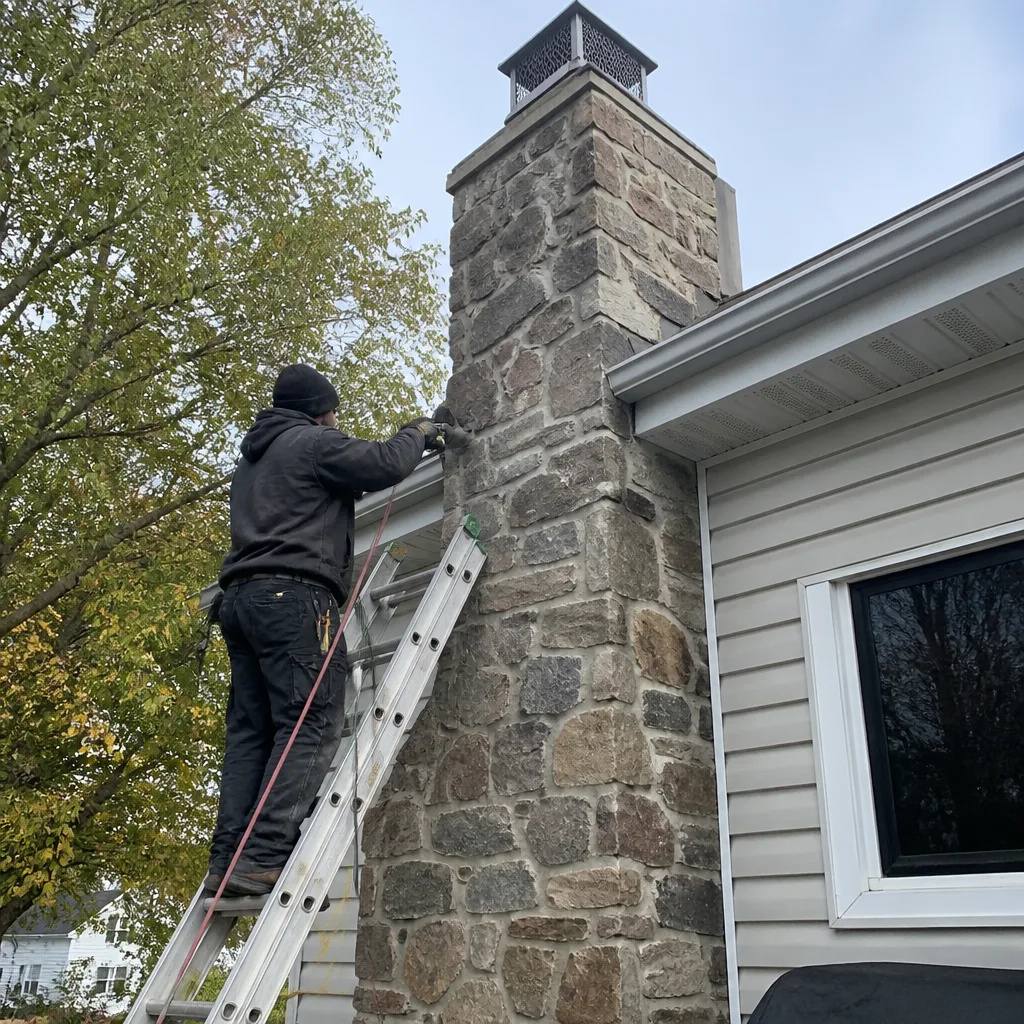 After
AfterChimney Cleaning & Sweep Maintenance Checklist for Danbury Homeowners
The single most skipped item on standard chimney checklists - checking the smoke chamber for bypassed creosote - is also the item most likely to cause a house fire in a mid-century colonial. That matters in Danbury, where neighborhoods like King Street, Shelter Rock, and the west side are dense with 1950s and 1960s split-levels and colonials whose smoke chambers were built with corbelled brick that traps creosote where homeowners never look. Most checklists tell you to “inspect the flue” and stop there. This one explains why each task matters, what you can verify with your own eyes, and what requires a camera inspection and a signed report. You’ll learn how Danbury’s humid summers, late frosts, and heavy oak and maple burning patterns change what your chimney needs and when.
Quick Answer
A complete chimney maintenance checklist for Danbury homeowners includes three seasonal phases: a pre-season inspection in September for cap, crown, damper, and liner integrity after humid summer dormancy; a mid-season spot check in January for accelerated creosote buildup; and a post-season shutdown in April to seal against spring moisture and nesting animals. Every checklist item should be verifiable - either by the homeowner from the firebox or by photo documentation from a Level-2 camera inspection.
Table of Contents
- Pre-Season Checklist: September in Danbury
- Mid-Season Spot Check: January Heavy Use
- Post-Season Shutdown: April After the Last Fire
- What Homeowners Can Verify From the Firebox
- What Requires a Sweep’s Camera and Signed Report
- Field Verification: DIY vs. Contractor-Confirmed
- Common Mistakes to Avoid
- When to Call a Professional
- Frequently Asked Questions
Pre-Season Checklist: September in Danbury
Danbury’s summers are more humid than most homeowners account for. From June through August, warm moist air sits in a dormant flue, especially in homes near Candlewood Lake or along the Still River where humidity lingers. That moisture attacks metal liners, rusts dampers, and loosens mortar in crown wash. By September, when nights drop into the 50s and the first burn feels tempting, the chimney has been through three months of slow deterioration without a single fire to dry it out.
Here’s what we check every September, and why each item matters:
- Cap and spark arrestor: Missing or damaged caps are the entry point for rain, leaf debris from Danbury’s dense oak canopy, and squirrels or raccoons that nest before winter. A cap with a proper spark arrestor also prevents ember escape onto cedar shake roofs still found in parts of northern Danbury. We verify mesh size and structural attachment, not just presence.
- Crown wash condition: The concrete or mortar wash at the chimney top is not decorative. It sheds water away from the flue tile. In our experience, crowns in Danbury fail faster than in drier inland Connecticut because of freeze-thaw cycling amplified by summer moisture absorption. Hairline cracks in September become spalled concrete by March. We document crown condition with photos and specify whether sealant (Gelco CrownSeal or similar professional-grade product) or rebuild is warranted.
- Damper operation and seal: A damper that doesn’t close fully wastes 20% or more of heated air up the flue. A damper that doesn’t open fully risks smoke backup. We check for warping, rust, and debris obstruction. In homes with original throat dampers from the 1960s or 1970s, we often find the metal has thinned to the point of replacement.
- Flue liner integrity: This is where the camera becomes essential. We run a Level-2 inspection camera from top to bottom, documenting every joint, every offset, and every sign of spalling tile or corrosion in stainless steel liners. In Danbury, we regularly see clay tile liners cracked by thermal shock from decades of cold starts in drafty flues. A cracked liner allows heat transfer to combustible framing - the leading cause of chimney-related house fires.
- Smoke chamber and shelf: Here’s the skipped item. The smoke chamber is the area above the damper and below the flue. In mid-century colonials, it’s often corbelled brick with rough, porous surfaces that collect creosote. Standard cleaning brushes pass right by. We inspect with a camera and hand-clean when buildup exceeds 1/8 inch. In 42 years, we’ve seen more fires start in smoke chambers than in flues because homeowners and less thorough sweeps never looked.
- Firebox and hearth condition: Check for cracked firebrick, deteriorated mortar, and proper hearth extension. A firebox crack can allow heat into wall cavities. We measure clearance to combustibles and verify against current code.
The September inspection should produce a written report with photos, a plain-English verdict, and prioritized recommendations. At Hearthstone Chimney Co., every Level-2 inspection ends with exactly that. No homeowner should enter burning season guessing what their chimney condition is.
Mid-Season Spot Check: January Heavy Use
January in Danbury means steady daily burning for many households. The oak and maple that dominate local firewood produce more creosote than softwoods when burned at low temperatures - which is exactly what happens when homeowners load the stove at bedtime and damp it down. By mid-season, a chimney that was clean in October can have dangerous buildup.
This spot check is not a full Chimney Cleaning & Sweep. It’s a 15-minute homeowner assessment to decide whether to call for an early intervention sweep before the scheduled annual service.
Signs your chimney needs attention before next season:
- Smoke spillage at startup: If smoke rolls into the room for more than 30 seconds after lighting, creosote may be restricting draft. In Danbury’s older homes with exterior chimneys on north-facing walls, cold air inversion compounds the problem. Persistent spillage means stop using and call for inspection.
- Black, shiny creosote visible from the firebox: Run a flashlight up the flue. Stage 3 creosote - hard, glossy, and tar-like - is fuel for chimney fires and cannot be removed by standard brushing. It requires rotary mechanical cleaning or chemical treatment. We’ve removed Stage 3 buildup as early as January from fireplaces burning 4+ nights weekly.
- Reduced draft or sluggish fire: A fire that won’t draw properly, that sends flames toward the room instead of up, or that requires the door open to stay lit, indicates flue restriction or damper malfunction.
- Unusual odors: A strong asphalt or tar smell during burning means creosote is overheating. A musty smell when the fireplace is cold means moisture intrusion, often from a failed crown or missing cap discovered too late.
- Exterior masonry stains: White efflorescence or dark streaking on the exterior chimney face means water is getting in and carrying salts or soot through the masonry. In freeze-thaw conditions, this accelerates brick spalling.
We recommend this spot check specifically for Danbury homeowners who burn more than three nights weekly or who burn primarily oak, which is abundant and cheap locally but demands more frequent attention. If two or more signs appear, schedule a sweep. Don’t wait for the annual cycle.
Post-Season Shutdown: April After the Last Fire
Danbury’s spring is deceptive. A warm April weekend tempts homeowners to close the damper and forget the chimney until fall. Then a late frost in May catches them with an open flue and a damp firebox. The correct shutdown sequence protects the chimney through the humid season and prevents the deterioration that makes September’s inspection so critical.
- Schedule the annual sweep in April, not October: This is counterintuitive but correct. Creosote left in the flue all summer absorbs moisture and becomes acidic, accelerating liner corrosion and masonry damage. A clean, dry flue survives summer better. In Danbury, where April still sees freezing nights, we sweep and then leave the damper cracked for two weeks to allow final moisture evaporation before full closure.
- Close the damper fully after final evaporation period: This stops warm conditioned air from escaping and humid outdoor air from entering. Mark the calendar: close damper May 1, open September 15.
- Install or verify chimney cap: Spring is when squirrels, raccoons, and birds are most active. A cap with proper mesh prevents nesting that blocks the flue by fall. We use caps from Famco and Olympia Chimney with stainless steel mesh that withstands Danbury’s weather without rust.
- Inspect and reseal crown if needed: Any crown damage found in September that was deferred should be addressed now, before summer rain. Crown sealant needs 24 hours of dry weather to cure, which April typically provides.
- Clean and inspect the firebox: Remove all ash (store in a metal container with lid, away from the house - ash can hold embers for days). Check firebrick for cracks that worsened over the season. Document with photos for comparison next year.
- Check exterior flashing and counterflashing: Spring rains reveal roof leaks that winter snow masked. The chimney-roof intersection is the most leak-prone area on most houses. We check for lifted shingles, deteriorated sealant, and rusted flashing.
One additional Danbury-specific note: homes in low-lying areas near the Still River or Kenosia Lake experience higher spring groundwater and basement humidity. This moisture migrates up through foundations and can affect hearth-level masonry. We check for efflorescence on basement-facing firebox walls that indicates moisture migration from below.
What Homeowners Can Verify From the Firebox
A checklist is only useful if you can confirm the work. These items require no tools beyond a flashlight and your eyes. Document with your phone’s camera for your records.
- Damper opens fully and closes completely: You should hear metal seat firmly. Light from above visible when open, none when closed.
- Firebox walls are intact: No missing firebrick, no mortar gaps wider than 1/4 inch, no cracks extending through multiple bricks.
- Hearth extension meets or exceeds 16 inches in front, 8 inches sides: Measure with a tape. This is code minimum for safety.
- No debris or animal nesting visible in flue opening: Shine flashlight upward. You should see clear flue walls or liner, not twigs, leaves, or obstruction.
- Ash dump door operates and seals: If present, it should open for cleaning and close without gaps.
- No water staining on firebox walls or hearth: Discoloration, white powder, or rust streaks indicate moisture intrusion from above.
What you cannot verify from the firebox: liner condition above the smoke chamber, crown condition, cap attachment integrity, and creosote buildup on flue walls above arm’s reach. These require a camera and trained eye.
What Requires a Sweep’s Camera and Signed Report
Level-2 camera inspection is not an upsell. It’s the only method that reveals conditions that determine whether your chimney is safe to use. In Connecticut, the CSIA and NFPA 211 standards define Level-2 as required upon sale or transfer of property, after chimney fire or seismic event, and when any changes are made to the system. We recommend it annually for any chimney in active use, regardless of age.
What the camera reveals that eyes cannot:
- Flue liner joint separation: Clay tile liners are installed in sections. Gaps between sections allow heat and combustion gases into wall cavities. From the firebox, you see only the first joint. The camera reveals all.
- Spalling and flaking tile: Interior tile surfaces that have begun to flake from thermal cycling create rough surfaces that accelerate creosote buildup and reduce draft.
- Stainless steel liner corrosion or weld failure: Even “lifetime” liners fail at seams or where acidic condensate pools in offsets.
- Creosote buildup patterns: Uniform buildup indicates normal operation. Concentrated buildup at offsets or below the smoke chamber indicates drafting problems or fuel issues.
- Masonry degradation in smoke chamber: Parged smoke chamber surfaces that have cracked or fallen away expose rough brick that collects creosote and reduces draft efficiency.
At Hearthstone Chimney Co., every Level-2 inspection produces dated photos with annotations, a written verdict in plain English, and prioritized recommendations with cost ranges. We use the same documentation standards for chimney cleaning and sweep in Danbury that we apply to full rebuilds. The report belongs to the homeowner and can be reviewed by any second-opinion sweep.
Our 90-Day Done Right Promise applies to every inspection and sweep: if we miss something, we make it right. In writing, no arguing.
Field Verification: DIY vs. Contractor-Confirmed
This table separates what you can verify from what requires professional documentation. Use it to evaluate any sweep’s report or to prepare for your own inspection.
| Checklist Item | Homeowner Verifiable | Requires Contractor Report | Why It Matters in Danbury |
|---|---|---|---|
| Cap present and attached | Visual from ground or roof edge | Secure attachment, spark arrestor mesh size | Oak debris and squirrel activity are high |
| Crown condition | Visible cracks from ground | Depth assessment, seal vs. rebuild recommendation | Humid summers accelerate freeze-thaw damage |
| Damper operation | Open/close from firebox | Warpage measurement, seal test with smoke pencil | Original 1960s dampers commonly fail |
| Firebox integrity | Visual and tactile | Clearance measurement to combustibles | Mid-century construction often sub-code by today’s standards |
| Flue liner condition | First joint only | Full camera run with photo documentation | Thermal shock cracking common in clay tile |
| Smoke chamber | Not visible | Camera inspection and hand-cleaning if needed | Corbelled brick traps creosote; most skipped item |
| Creosote buildup | Stage 1 visible from firebox | Stage 2-3 classification, removal method | Oak burning at low temps produces Stage 3 fast |
| Exterior flashing | Visible from ladder or ground | Leak testing, repair specification | Spring rains reveal winter damage |
A thorough sweep’s report should address every “Requires Contractor Report” item with specificity. Vague language like “flue looks good” or “no major issues” is inadequate. Demand photos, measurements, and clear recommendations with consequences of deferral stated.
Common Mistakes to Avoid
- Assuming a clean flue last year means a safe flue this year: Creosote accumulation depends on burning practices, not calendar time. A homeowner who switches to cheaper green oak or starts damping down for overnight burns can create dangerous buildup in a single season.
- Using the fireplace as a furnace substitute without increased maintenance: Continuous low-temperature burning for whole-house heating produces more creosote than occasional hot fires. We see this in Danbury’s older homes with marginal central heating in neighborhoods like CityLine and southern Main Street.
- Ignoring the smoke chamber because it’s out of sight: This is the most dangerous oversight. The smoke chamber is where temperatures peak and where creosote is most concentrated. Standard brushes don’t reach it effectively.
- Deferring crown repair because “it’s just the top”: A failed crown admits water that destroys the chimney from the inside. By the time interior damage is visible, repair costs have multiplied tenfold.
- Closing the damper immediately after last fire: Trapped moisture from final combustion condenses on flue walls and accelerates corrosion. Allow two weeks of ventilation.
- Hiring based on lowest price without verifying what’s included: A $99 sweep that brushes only the accessible flue and skips camera inspection, smoke chamber, and written report is not a bargain. It’s a partial service that leaves dangerous conditions undetected.
- Neglecting to verify contractor insurance and CSIA certification: Connecticut does not license chimney sweeps. Certification and insurance are your only protections. Ask for proof.
When to Call a Professional
Call for professional inspection before the first fire of the season if your chimney has sat dormant for more than six months, if you’ve never had a Level-2 camera inspection, or if you observe any smoke spillage, unusual odors, or visible damage. Call immediately if you experience a chimney fire event - indicated by loud cracking or popping, dense smoke, or a hot, intense odor from the flue. Even a small chimney fire can crack liners and compromise masonry.
Call if you’re purchasing a home in Danbury, particularly in the 1950-1980 housing stock common to western and northern neighborhoods. A real estate inspection is not a chimney inspection. The generalist home inspector cannot evaluate flue liner condition or smoke chamber integrity.
Hearthstone Chimney Co. offers free estimates in Danbury. We’ll provide a written scope, upfront pricing, and a schedule. Most jobs are completed in a single visit by background-checked, uniformed technicians. Call (475) 375-9457. A live person answers, 24 hours a day, every day.
Frequently Asked Questions
A complete chimney sweep with Level-2 camera inspection in Danbury typically ranges from $250 to $450, depending on accessibility, number of flues, and whether mechanical creosote removal is needed. Basic brush-only services without camera inspection cost less but leave critical conditions undetected. Hearthstone Chimney Co. provides no-hassle upfront pricing - the number on the estimate is the number on the invoice. Call (475) 375-9457 for an exact quote; estimates are free.
The National Fire Protection Association recommends annual inspection for all chimneys, and sweeping when creosote buildup exceeds 1/8 inch. In Danbury, where oak and maple are the dominant firewood and many homes burn 4+ months annually, we recommend annual sweeping for active fireplaces and every two years for occasional use. Heavy daily burning may require mid-season attention.
Clay tile flues can last decades if intact, but they crack from thermal shock and settle with the house. A Level-2 camera inspection reveals the truth. We replace liners only when camera evidence shows cracks, spalling, or joint separation that creates a fire or carbon monoxide hazard. If a sweep recommends replacement without showing you dated photos of the damage, seek a second opinion. Hearthstone Chimney Co. offers free second opinions on any written estimate.
Deferred maintenance leads to three predictable outcomes: chimney fire from ignited creosote, carbon monoxide intrusion from cracked liners or blocked flues, and accelerated masonry deterioration from moisture intrusion. In Danbury’s housing stock, we’ve seen $200 deferred sweeps become $8,000 rebuilds within five years. The risk is not theoretical. Call (475) 375-9457 to schedule before burning season.
Homeowners can remove light ash and debris from the firebox and inspect accessible components. Flue sweeping requires proper brushes, rods, and vacuum equipment, and smoke chamber cleaning requires specialized tools and training. More importantly, without a camera inspection, you cannot assess liner condition or verify that cleaning was effective. For safety-critical components, professional service is the sound choice.
A sweep removes combustible deposits from the flue and firebox. An inspection evaluates structural condition, liner integrity, clearance to combustibles, and system performance. They are complementary services. We perform both together because a clean flue is easier to inspect, and an inspected system is safer to use. Our chimney cleaning and sweep in Danbury includes full inspection documentation.
Danbury follows the Connecticut State Building Code, which adopts NFPA 211 for chimney standards. Key requirements include proper clearance to combustibles, approved liner materials, and spark arrestors in wildland-urban interface zones. Homes in Danbury’s more densely wooded areas, particularly near Tarrywile Park and western ridges, should verify cap mesh meets spark arrestor specifications. We confirm code compliance during every inspection.
The Bottom Line
A chimney maintenance checklist works only when every item is verifiable and every recommendation is grounded in evidence you can see - explore our more guides & resources for deeper guidance. For Danbury homeowners, that means accounting for humid summer dormancy, heavy oak burning, and the specific vulnerabilities of mid-century construction. The three-season approach - September pre-season inspection, January mid-season spot check, April post-season shutdown - catches problems before they become emergencies. Insist on camera documentation for everything you cannot see from the firebox. Get recommendations in writing with photos, costs, and consequences of deferral stated plainly. And schedule with a company that plans to be in Danbury long enough to stand behind its work.
Hearthstone Chimney Co. has served local communities for over 42 years. We’re not going anywhere. Every job is backed by the 90-Day Done Right Promise: Krafted right, Every time, Your home first, Standing behind it. In writing, no arguing.
Ready to work through your checklist? Call (475) 375-9457 for a free estimate. A live person answers, 24 hours a day, every day. Most jobs completed in a single visit. Chimney repair in Danbury and fireplace services in Danbury are also available if your inspection reveals needs beyond sweeping.
Written by Russell Haines, Owner at Hearthstone Chimney Co., serving Danbury since 2014.