
Last updated September 10, 2026
Level 1 sweep and inspection to the NFPA 211 annual standard - flue, crown, cap, and flashing checked and photographed
Chimney sweep logs do not sweep chimneys. They loosen some creosote - which then falls where a brush and vacuum still have to collect it.
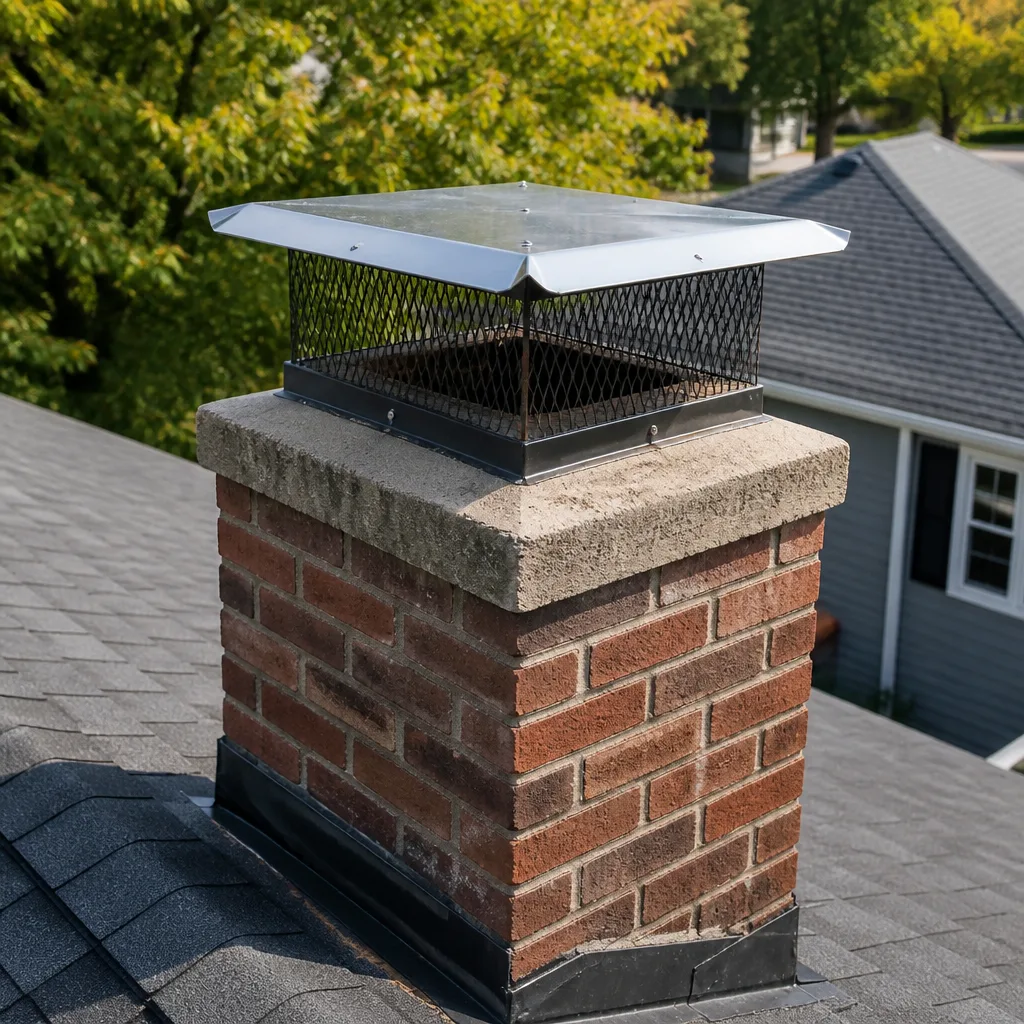
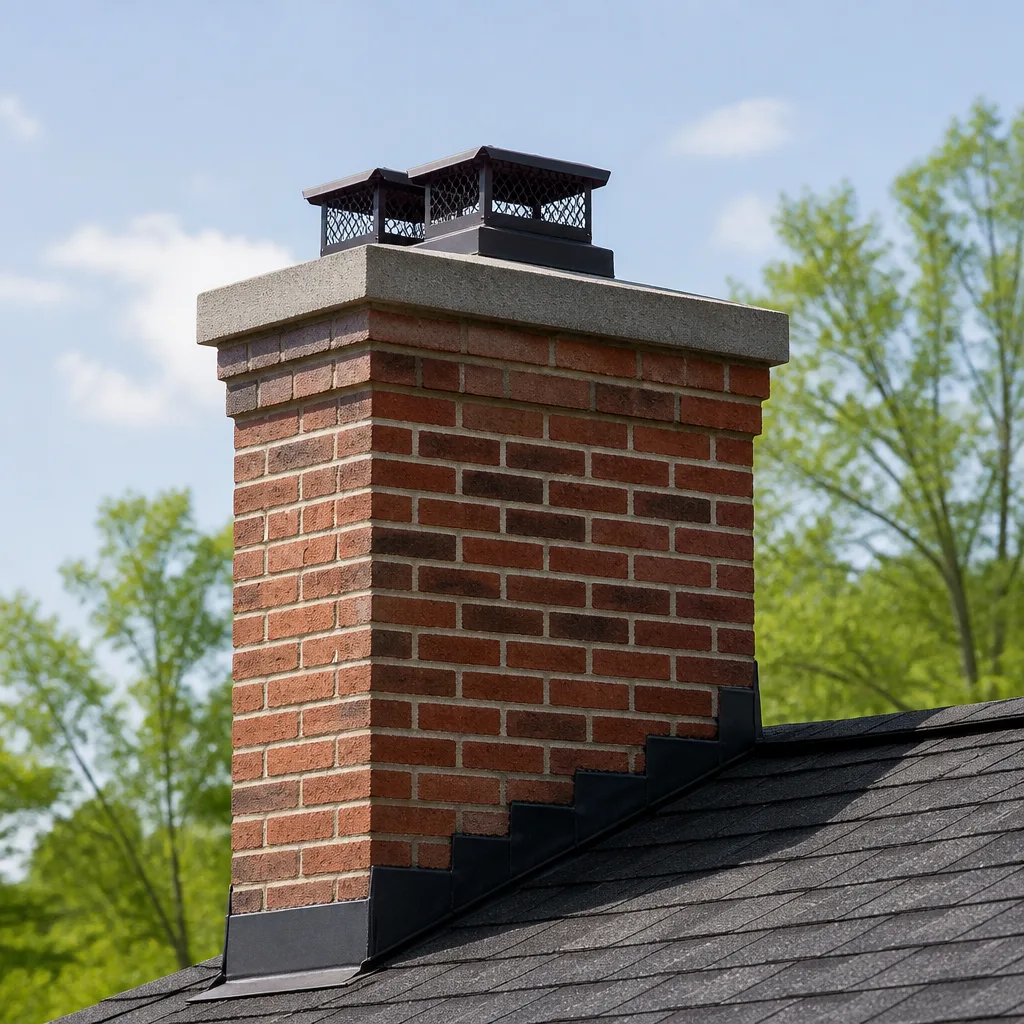
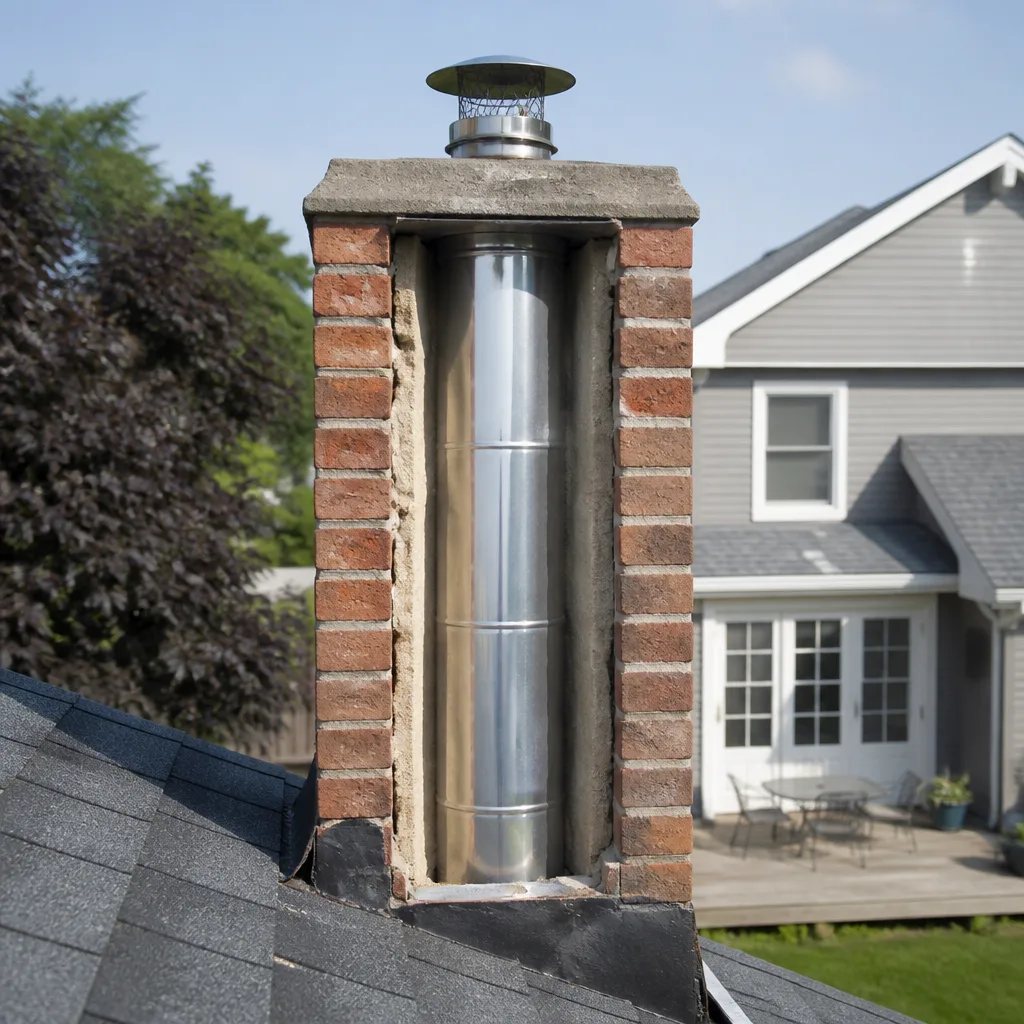
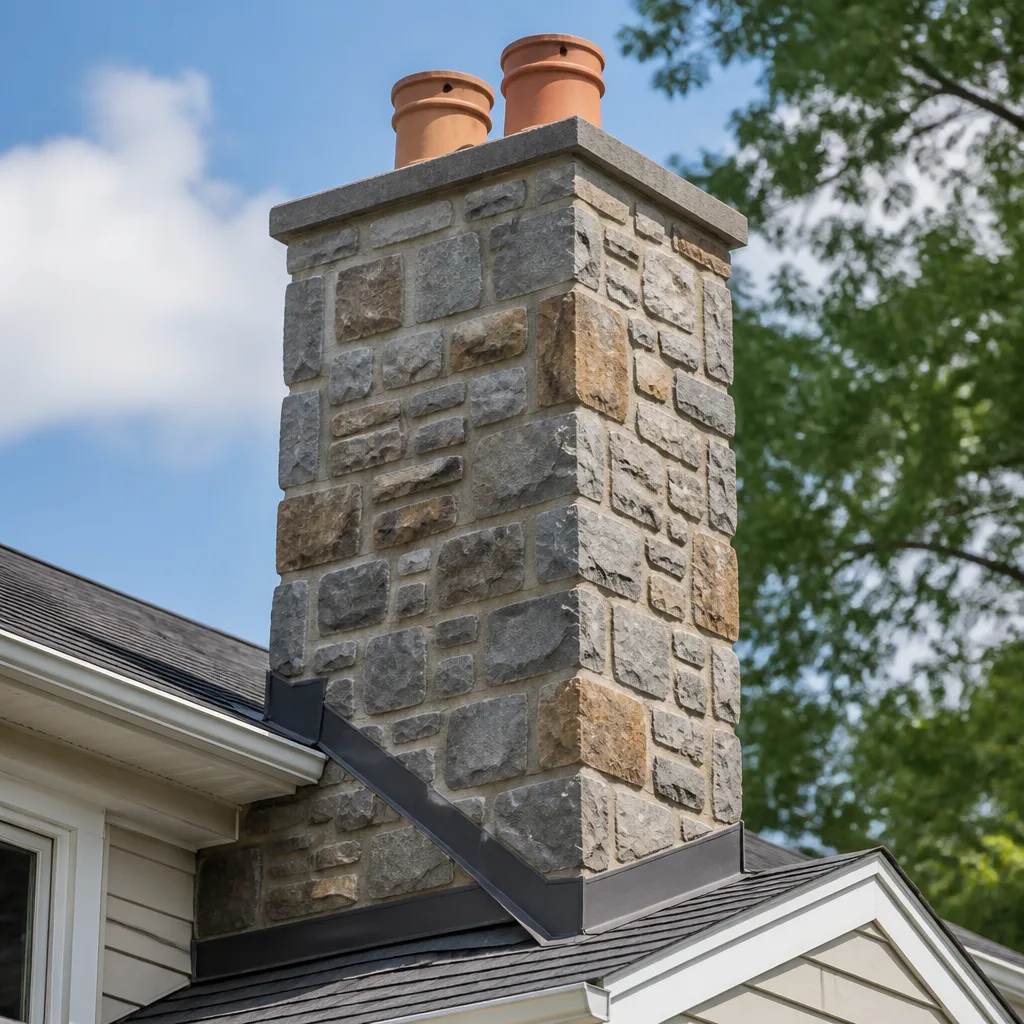
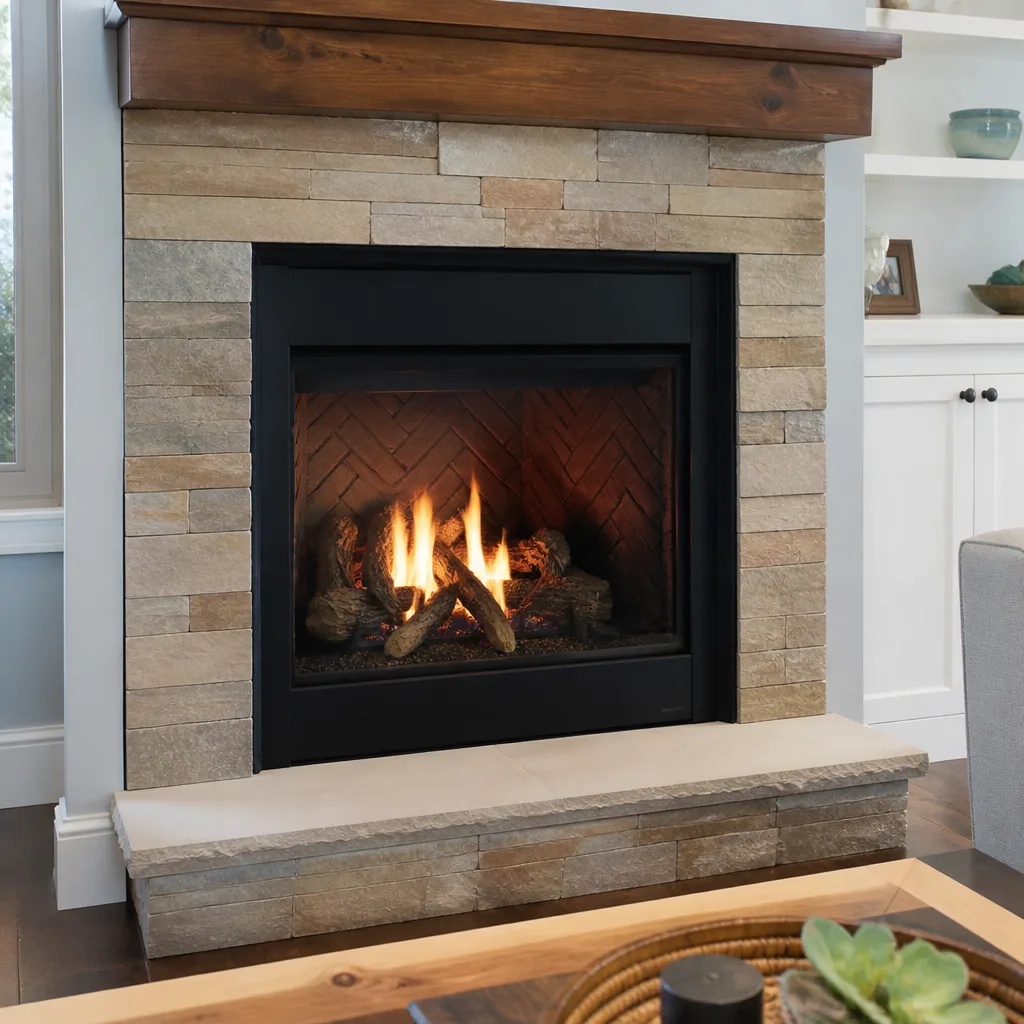
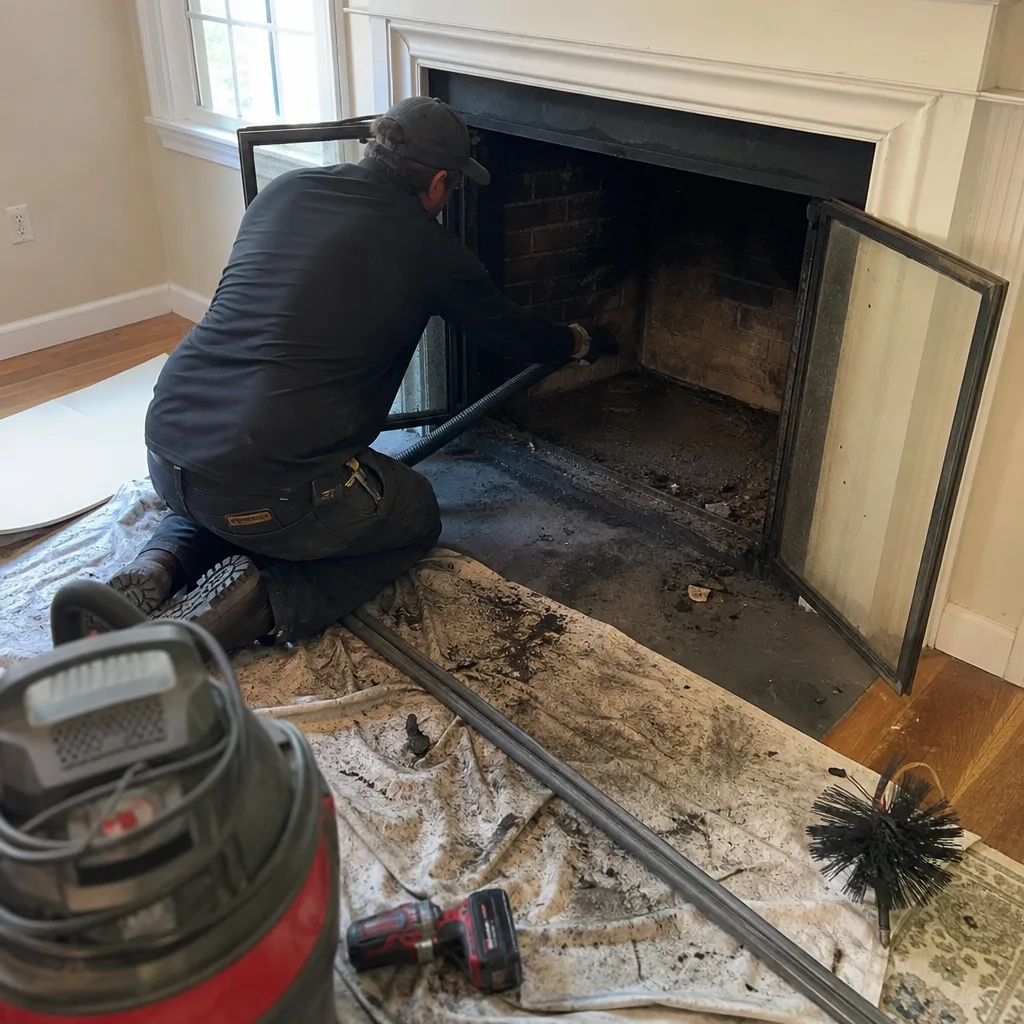 Before
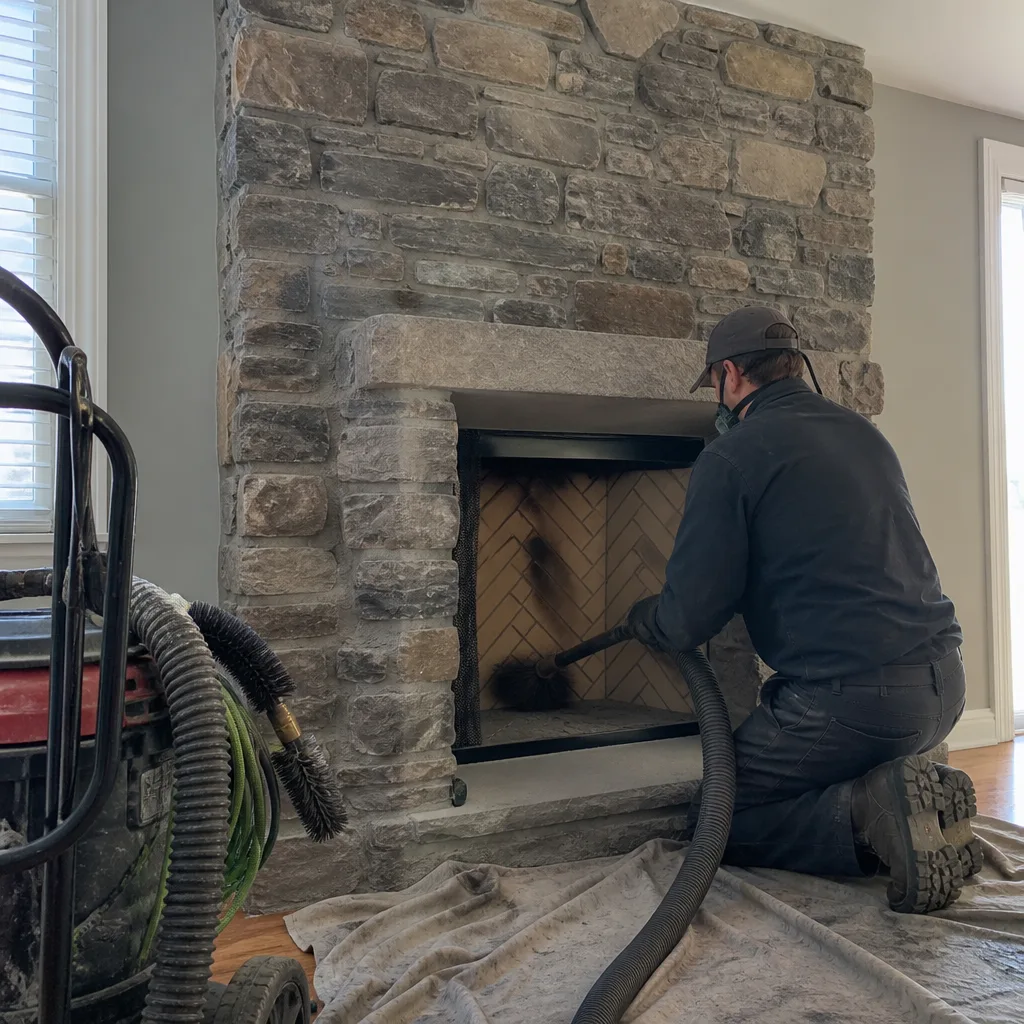 After
After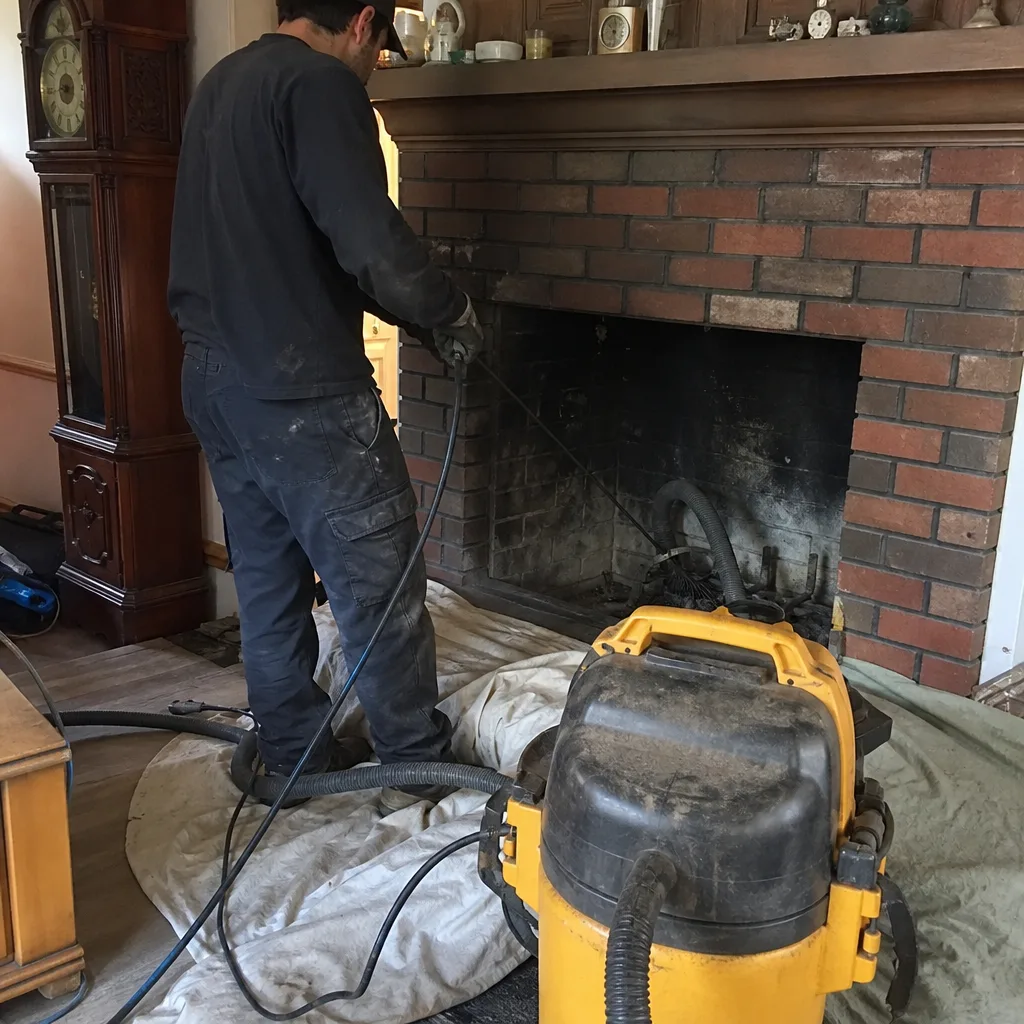 Before
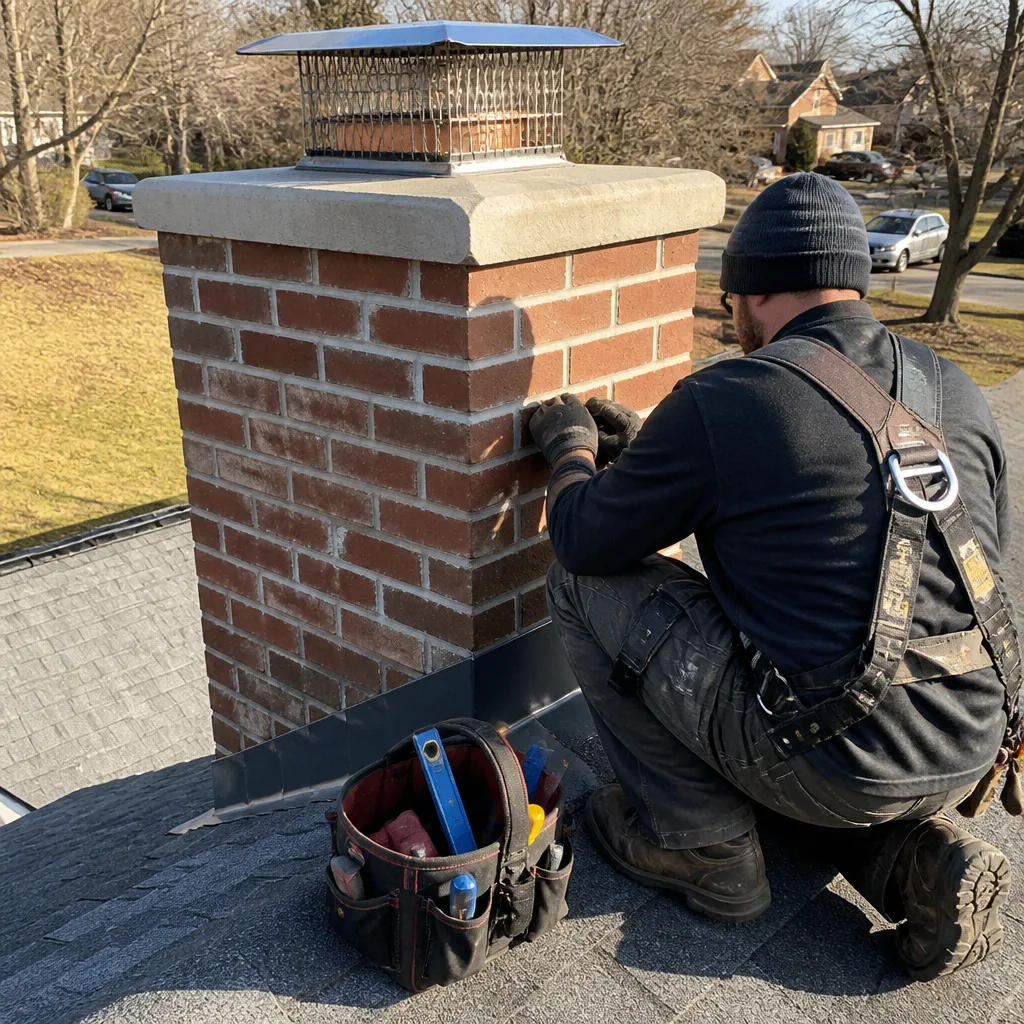 After
After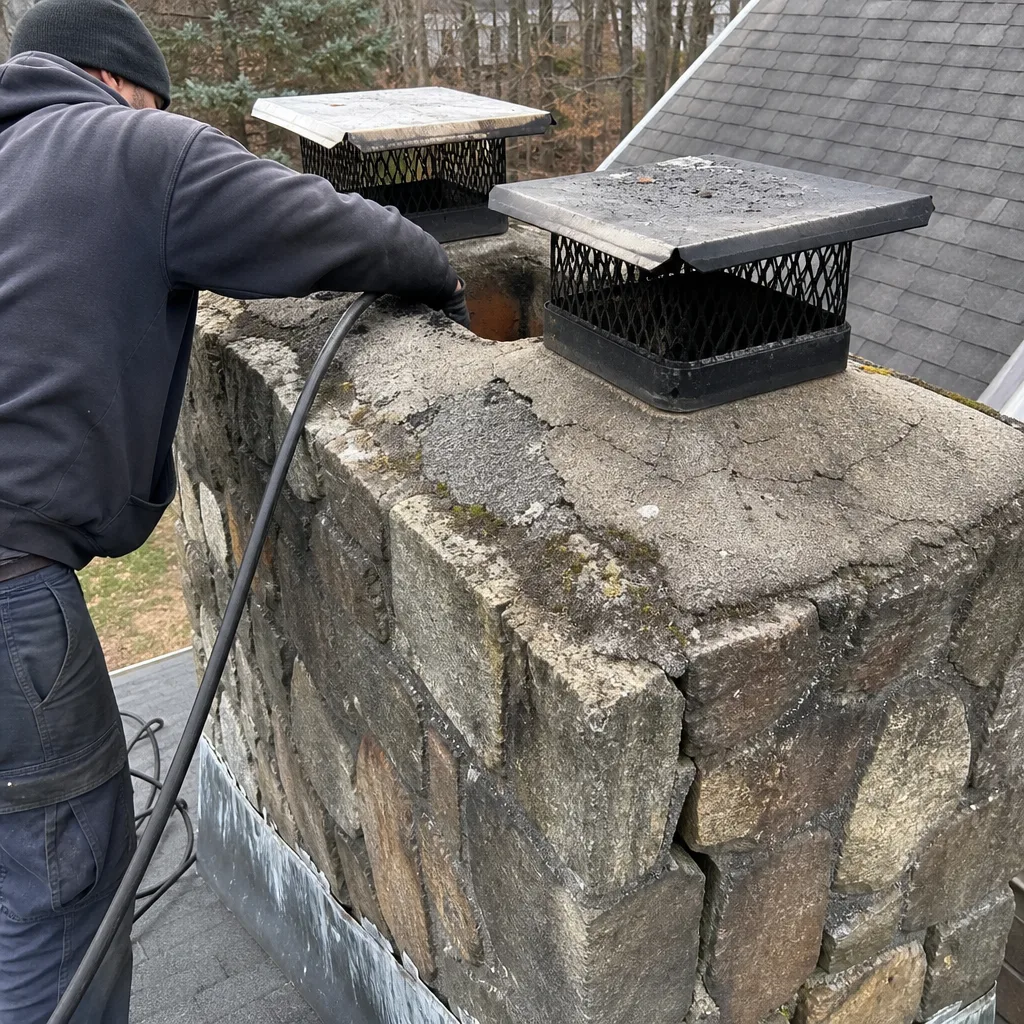 Before
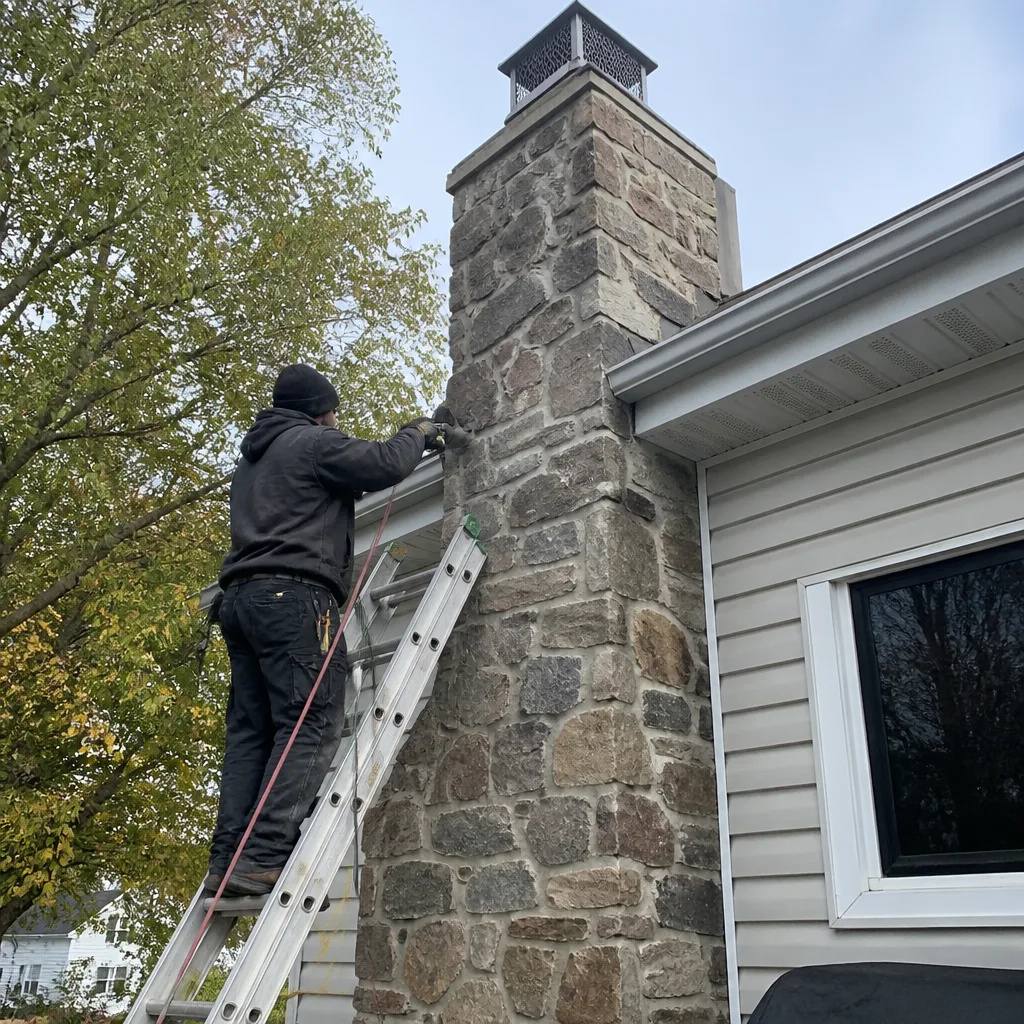 After
AfterChimney Cleaning Permits, Codes & Inspections in CT: What You Need to Know
A chimney relining job done without a Connecticut building permit can void a homeowner’s insurance coverage for fire damage - yet fewer than half of the contractors offering the work in Danbury explain this before they start. Most homeowners assume the permit question is handled by the professional they hire. In our 42 years of work across Fairfield County, we’ve seen the aftermath when it isn’t: denied claims, failed real estate transactions, and work that has to be torn out and redone at full cost. This guide explains exactly which chimney jobs trigger permits in Connecticut, how Danbury’s building department processes them, and what you need to verify before anyone signs a contract.
Quick Answer
Routine chimney cleaning and sweeping in Danbury do not require a building permit. However, any repair that alters the structure, changes the flue system, or installs new components - including chimney relining, firebox rebuilds, crown replacement, and new insert installations - typically requires a permit under the Connecticut State Building Code. The homeowner, not the contractor, bears the legal and financial consequences of unpermitted work.
Table of Contents
- Which Chimney Jobs Require Permits in Connecticut?
- Routine Maintenance Exemptions: What’s Allowed Without a Permit
- How Danbury’s Building Department Handles Chimney Permits
- NFPA 211: The Standard Connecticut Inspectors Actually Use
- The Insurance Gap: How Unpermitted Work Voids Coverage
- How to Ask a Contractor About Permits - and Read the Answer
- What Happens During a Connecticut Chimney Inspection
- Common Mistakes to Avoid
- When to Call a Professional
- Frequently Asked Questions
Which Chimney Jobs Require Permits in Connecticut?
Connecticut follows the 2022 Connecticut State Building Code, which incorporates the International Building Code with state amendments. For chimneys, the permit trigger is straightforward: any work that modifies the structure, changes the appliance or fuel type, or affects the flue’s rated capacity requires a permit.
Here are the specific chimney jobs that require permitting:
- Chimney relining or flue replacement - Installing a new stainless steel liner, such as DuraFlex systems, or a cast-in-place liner changes the flue’s dimensions and draft characteristics. This is the most commonly under-permitted job we encounter in Danbury.
- Firebox rebuild or repair - Any reconstruction of the firebox walls, floor, or throat that involves removing and replacing masonry units.
- Crown replacement or major repair - Pouring a new concrete crown or significantly altering its dimensions or drainage.
- Chimney cap installation with spark arrestor - When the cap is part of a system change or required by code for a new installation.
- Insert or stove installation - Installing a wood, pellet, or gas insert into an existing fireplace opening.
- Chimney rebuild or partial reconstruction - Any work above the roofline that rebuilds more than one-third of the structure.
- Change of fuel type - Converting from wood to gas, or vice versa, which changes venting requirements and appliance classification.
The permit application must include detailed plans, specifications for materials, and often a manufacturer’s installation instructions for listed components. In Danbury, the building department also requires proof of contractor licensing and insurance before issuing permits for chimney work.
We’ve reviewed jobs in the Hayestown and King Street areas where homeowners paid for relining work that was never permitted. When they later sold their homes, the lack of permit documentation delayed closings by weeks. One family in the Shelter Rock neighborhood had to pay for a full re-inspection and supplemental documentation - essentially paying for the job twice - to satisfy their buyer’s lender.
Routine Maintenance Exemptions: What’s Allowed Without a Permit
Not every visit from a chimney professional involves paperwork. Connecticut exempts routine maintenance from permitting requirements, which keeps annual chimney service accessible and affordable.
Work that does not require a permit includes:
- Chimney sweeping and cleaning of existing flues
- Removal of creosote, debris, and animal nests
- Basic masonry tuckpointing of mortar joints (less than 25% of any wall area)
- Damper adjustment, lubrication, or replacement with a same-size unit
- Standard chimney cap replacement with a same-size, same-type unit
- Waterproofing treatments and crown sealing with brush-applied products
- Video inspection and documentation of existing conditions
The distinction matters because some contractors blur the line. We’ve seen proposals in Danbury that label a full relining as “chimney maintenance” to avoid permit costs and inspection scrutiny. This saves the contractor time and money, but transfers all risk to the homeowner.
In our experience, the freeze-thaw cycles in western Connecticut - Danbury sees roughly 40 freeze-thaw events annually - accelerate crown and mortar deterioration. A contractor who suggests “just sealing it” when the crown is structurally failed may be avoiding the permit-triggering rebuild that the condition actually requires. Our Chimney Cleaning & Sweep in Danbury service always includes a camera inspection that documents whether maintenance is sufficient or if permitted repair work is needed.
How Danbury’s Building Department Handles Chimney Permits
Danbury operates under the jurisdiction of the Danbury Bureau of Permits and Inspections, located on Main Street. For chimney-related work, the process follows a predictable sequence, though timelines vary by season.
Step-by-step permit process for chimney work in Danbury:
- Application submission - The homeowner or licensed contractor submits a building permit application with project description, scope of work, and contractor credentials. Danbury requires the contractor’s Connecticut Home Improvement Contractor (HIC) registration and proof of insurance.
- Plan review - For liner installations and rebuilds, staff review manufacturer specifications and verify compliance with the Connecticut State Building Code. Simple cap replacements may qualify for over-the-counter approval.
- Permit issuance - Fees are calculated based on project valuation. As of recent years, chimney permits in Danbury typically range from $75 for minor work to $250+ for full relining projects with multiple inspections.
- Rough inspection - For liner installations, an inspection occurs before the liner is fully sealed or enclosed, allowing the inspector to verify proper sizing, support, and connection.
- Final inspection - Upon completion, the inspector verifies proper installation, clearances, and operation. A passed final inspection generates a certificate of compliance.
- Certificate of occupancy or completion - For new installations or fuel conversions, this document is required before the appliance may be legally operated.
Danbury’s inspectors are thorough and knowledgeable about chimney systems. We’ve worked with them for decades, and they consistently check clearances to combustibles, proper liner sizing per appliance output, and adequate chimney height above roof penetrations. In the Lake Waubeeka and Pleasant Street areas, where many homes date to the 1960s and 1970s, inspectors pay particular attention to clearance reductions that prior owners may have installed without permits.
The building department’s phone line is staffed during business hours, and they accept walk-in questions. We’ve found them responsive when homeowners or contractors need clarification on whether a specific scope requires permitting.
NFPA 211: The Standard Connecticut Inspectors Actually Use
When Danbury building inspectors evaluate chimney work, they reference the Connecticut State Building Code. But the technical standard embedded in that code for chimney construction, maintenance, and repair is NFPA 211: Standard for Chimneys, Fireplaces, Vents, and Solid Fuel-Burning Appliances. Published by the National Fire Protection Association, this document governs the details that determine whether your chimney is safe and legal.
Here are the NFPA 211 provisions most relevant to Connecticut homeowners:
- Clearances to combustibles - Masonry chimneys must maintain 2 inches of clearance to combustible materials, or be listed for reduced clearance with proper insulation. In older Danbury homes with balloon framing, this is the most common violation we find.
- Liner condition and sizing - Flue liners must be free of cracks, gaps, and deterioration that could allow combustion gases to escape. The liner must be properly sized for the appliance it serves - an oversized liner for a modern, efficient stove causes creosote buildup; an undersized liner restricts draft.
- Cap and spark arrestor requirements - Chimney terminations must prevent rain entry and, in wildland-urban interface areas, include spark arrestors. While Danbury isn’t high wildfire risk, caps with mesh are standard for animal exclusion.
- Inspection frequency - NFPA 211 requires annual inspection for all chimney systems, and cleaning when deposits exceed 1/8 inch.
- Level of inspection - The standard defines three inspection levels. Level 1 is visual, for unchanged systems. Level 2 requires camera inspection and access to all portions of the system, mandatory upon sale of property, after chimney fire, or when any change is made. Level 3 involves demolition of building components and is rare.
Our Chimney Repair in Danbury work follows NFPA 211 as our baseline, not our ceiling. When we install liners from Olympia Chimney or Famco components, we document compliance with the specific manufacturer instructions that NFPA 211 requires. This documentation becomes part of the permit package and the homeowner’s permanent record.
The standard is updated every three years. Connecticut typically adopts new editions on a delayed schedule. Homeowners should verify which edition their local inspector is enforcing, as requirements evolve - particularly for pellet venting and high-efficiency gas appliances.
The Insurance Gap: How Unpermitted Work Voids Coverage
This is the consequence homeowners never see coming. A standard Connecticut homeowner’s insurance policy contains a provision that excludes coverage for damage resulting from work performed without required permits. The exclusion is not prominently advertised, and most policyholders never read the fine print until they need to file a claim.
Here’s how the coverage gap develops:
- A contractor installs a chimney liner without pulling the required permit.
- A chimney fire occurs months or years later, causing roof and structural damage.
- The insurance adjuster investigates and requests permit documentation.
- No permit exists. The insurer denies the claim, citing the unpermitted work exclusion.
- The homeowner pays for all repairs out of pocket, and may face subrogation if the fire damaged neighboring property.
We’ve consulted with Danbury homeowners who faced exactly this scenario. One case involved a relining job in the Stadley Rough area that was done by an out-of-state company working weekend crews. The liner was improperly sized, a chimney fire resulted, and the $47,000 damage claim was denied. The contractor was long gone, unresponsive to calls, and ultimately uncollectible.
The critical point: the insurance exclusion applies even if the unpermitted work was not the direct cause of the loss. If a chimney fire starts in a properly maintained section, but the liner was installed without permit, insurers may still invoke the exclusion for the entire claim.
Some insurers offer endorsements that provide limited coverage for certain unpermitted work, but these are rare and expensive. The practical protection is verification: before work begins, confirm the permit is pulled and posted. After completion, request the certificate of final inspection. Store these documents with your deed and insurance policies.
Our 90-Day Done Right Promise includes documentation of permit compliance for all work that requires it. We provide copies of permits, inspection results, and manufacturer certifications in writing, with no arguing and no additional charge. It’s part of doing the job correctly.
How to Ask a Contractor About Permits - and Read the Answer
The question itself is simple: “Will this job require a building permit, and who will pull it?” The answer reveals everything about the contractor’s accountability.
Direct, acceptable answers sound like this:
- “Yes, a liner installation requires a Danbury building permit. We pull all permits as part of our standard process, and the cost is included in your estimate.”
- “The sweeping doesn’t require a permit, but the crown rebuild does. I’ll itemize both, and the permit fee is $125.”
- “I’ll pull the permit before we start, and you’ll have the inspection certificate before final payment.”
Evasive or concerning answers include:
- “Permits just drive up the cost - we can skip it for this kind of job.” (False for any structural or liner work.)
- “You’re the homeowner, so you need to handle the permit.” (Contractors who know their work won’t pass inspection sometimes shift this burden.)
- “We’ve been doing this 20 years, we don’t need permits.” (Experience doesn’t exempt anyone from code compliance.)
- “I’ll take care of it later” or “Don’t worry about it.” (Worry. Specifically, worry that it will never happen.)
- Vague references to being “licensed and insured” without addressing the specific permit for your job. (These are different credentials with different verification methods.)
We recommend verifying permit status independently. In Danbury, you can call the Bureau of Permits and Inspections with the permit number, or check online if the contractor provides it. A legitimate professional has no objection to this verification.
At Hearthstone Chimney Co., we explain permit requirements during our initial estimate visit. Our no-hassle upfront pricing includes all permit fees when applicable, so the number on the estimate is the number on the invoice. No surprises, no separate line items that appear after you’ve committed.
What Happens During a Connecticut Chimney Inspection
Understanding the inspection process helps homeowners prepare and participate effectively. Connecticut chimney inspections fall into two categories: the code-compliance inspections conducted by municipal building inspectors for permitted work, and the condition inspections performed by chimney professionals for maintenance and safety evaluation.
Municipal building inspection (for permitted work):
The inspector arrives with the permit documents and manufacturer’s installation instructions. For a liner installation, they verify:
- Liner material and gauge match the approved plans (stainless steel, aluminum, or cast-in-place as specified)
- Liner diameter is properly sized for the appliance’s BTU output and venting category
- Top termination includes proper cap and storm collar
- Bottom connection to appliance or smoke pipe is sealed and supported
- Clearances to combustibles are maintained throughout the run, including hidden sections in attic or wall cavities
- Access for future cleaning and inspection is preserved
Danbury inspectors typically schedule within 48 hours of contractor request, though busy seasons may extend this. The homeowner does not need to be present, but we always recommend it - seeing the inspection firsthand builds understanding of your system.
Professional condition inspection (maintenance and safety):
Our Level-2 camera inspections, which we recommend annually and require before any repair estimate, follow NFPA 211 protocols. The technician runs a high-resolution camera through the entire flue, documenting:
- Creosote accumulation patterns and thickness
- Liner condition - cracks, spalling, gaps at joints, corrosion
- Mortar joint integrity in tile-lined flues
- Obstructions, debris, or animal intrusion
- Water damage indicators - staining, efflorescence, freeze-thaw deterioration
Our Fireplace Services in Danbury include these inspections with written photo reports and plain-English verdicts. You’ll see what we see, and we’ll explain whether conditions require immediate action, scheduled monitoring, or routine maintenance. When permitted work is needed, we handle the documentation and municipal coordination.
Common Mistakes to Avoid
- Assuming the contractor handles permits. Many chimney professionals, particularly one-truck operators and seasonal crews, never pull permits. Verify before work begins, and get the permit number in writing.
- Accepting “permit not needed” for liner or rebuild work. Any flue modification or structural repair in Connecticut requires permitting. This is non-negotiable, and any contractor who says otherwise is either misinformed or deliberately evading oversight.
- Skipping the final inspection. Some contractors ask for final payment before the municipal inspector signs off. Never pay in full until you have the certificate of completion or final inspection approval.
- Not requesting manufacturer documentation. Listed components like DuraFlex liners and Gelco caps require installation per manufacturer instructions. Request these documents for your files - they’re required for permit compliance and warranty coverage.
- Buying a home without verifying chimney permits. In Danbury’s active real estate market, unpermitted chimney work frequently surfaces during title searches or buyer inspections. Request permit history as part of your due diligence.
- Confusing “licensed” with “permitted.” A Connecticut HIC registration allows a contractor to perform home improvement work. It does not mean their specific project has been permitted and inspected. Both credentials matter, and they’re separate verifications.
- Ignoring neighborhood-specific risks. In Danbury’s hill neighborhoods like Miry Brook and Beaver Brook, older chimneys often serve multiple fireplaces with shared flues - a configuration that modern codes prohibit and that requires careful evaluation during any repair or relining project.
When to Call a Professional
Call a qualified chimney professional when your annual inspection reveals conditions beyond routine maintenance, when you’re purchasing a home and need documentation of chimney condition and permit history, or when any contractor proposes work that alters your flue system or chimney structure. The cost of proper permitting and inspection is minor compared to the financial exposure of unpermitted work.
Hearthstone Chimney Co. offers free estimates in Danbury. We’ll evaluate your system, explain whether your specific scope requires permitting, and handle all municipal coordination if it does. Our background-checked, uniformed technicians complete most jobs in a single visit, and our 90-Day Done Right Promise covers every project in writing. Call (475) 375-9457 to schedule.
Frequently Asked Questions
No. Annual sweeping, creosote removal, and basic maintenance are exempt from permitting requirements statewide. However, if the cleaning reveals conditions requiring liner replacement, crown rebuild, or firebox repair, those subsequent repairs will require permits. Call (475) 375-9457 for a free estimate and we’ll clarify what your specific situation requires.
Danbury building permit fees for chimney work typically range from $75 for minor repairs to $250 or more for full relining projects with multiple inspections. The fee is based on project valuation and inspection requirements. Reputable contractors include this cost in their upfront estimate - we never add it as a surprise line item.
Connecticut allows homeowners to pull their own permits for work on their primary residence. However, chimney work requires specialized knowledge to prepare compliant plans and pass inspection. We recommend having your licensed contractor pull the permit - it ensures they’re accountable for code compliance, and their familiarity with Danbury inspectors streamlines the process.
Unpermitted work typically surfaces during buyer inspection or title review, potentially delaying or derailing the sale. Buyers’ lenders may require permit documentation. In some cases, the work must be exposed for inspection or redone with proper permits - at the seller’s expense. We recommend addressing permit gaps before listing your home.
Request the permit number and call Danbury’s Bureau of Permits and Inspections directly, or check online if the municipality offers permit lookup. The permit should be posted at the job site before work begins. At Hearthstone, we provide permit documentation with every estimate for permitted work, and we welcome independent verification.
Municipal inspections verify code compliance for permitted work - proper clearances, materials, and installation methods. Camera inspections evaluate the physical condition of your flue - cracks, creosote, deterioration. Both matter: the camera inspection tells you what needs attention; the municipal inspection confirms that repairs were done correctly. Our Level-2 camera inspections document conditions before any repair, and we coordinate municipal inspections for all permitted work we perform.
The Bottom Line
Chimney cleaning itself is straightforward and permit-free. The moment inspection reveals needed repairs, the permit question becomes critical - and the consequences of getting it wrong fall entirely on the homeowner. In Danbury and across Connecticut, verify permit requirements before any structural or flue work begins, confirm your contractor’s licensing and insurance, and never pay in full until final inspection is complete. The documentation you collect protects your safety, your property value, and your insurance coverage. Done right means done with permits, done with inspection, and done with proof you can hold in your hand.
Written by Russell Haines, Owner at Hearthstone Chimney Co., serving Danbury since 2014.