
Last updated September 10, 2026
Level 1 sweep and inspection to the NFPA 211 annual standard - flue, crown, cap, and flashing checked and photographed
Chimney sweep logs do not sweep chimneys. They loosen some creosote - which then falls where a brush and vacuum still have to collect it.
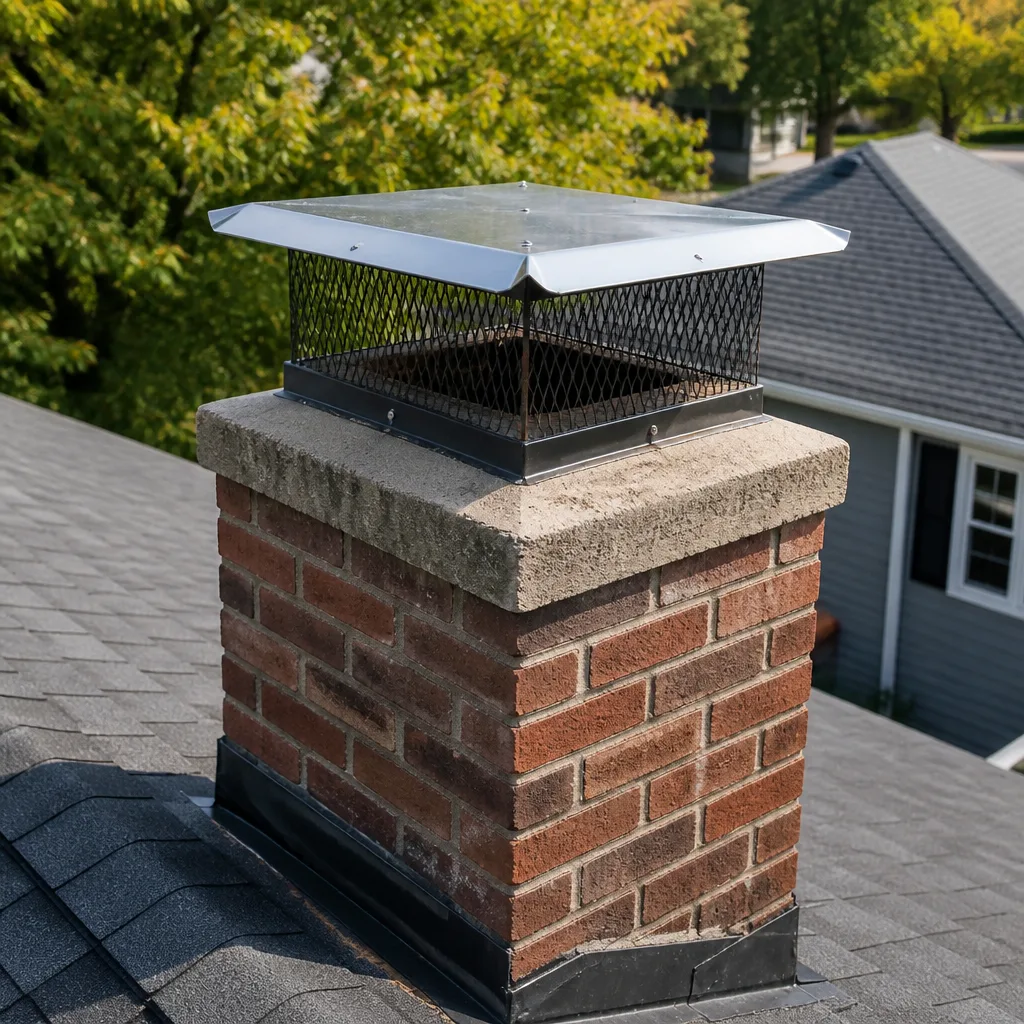
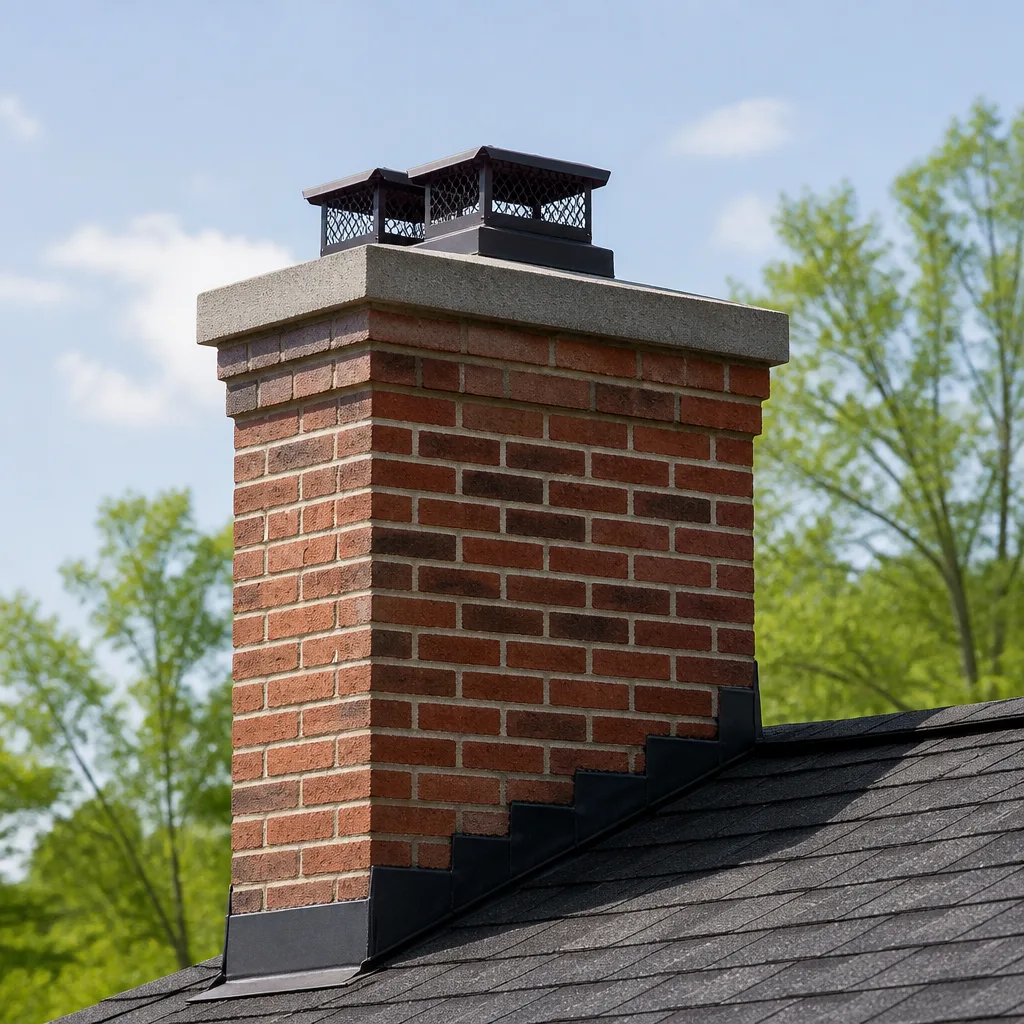
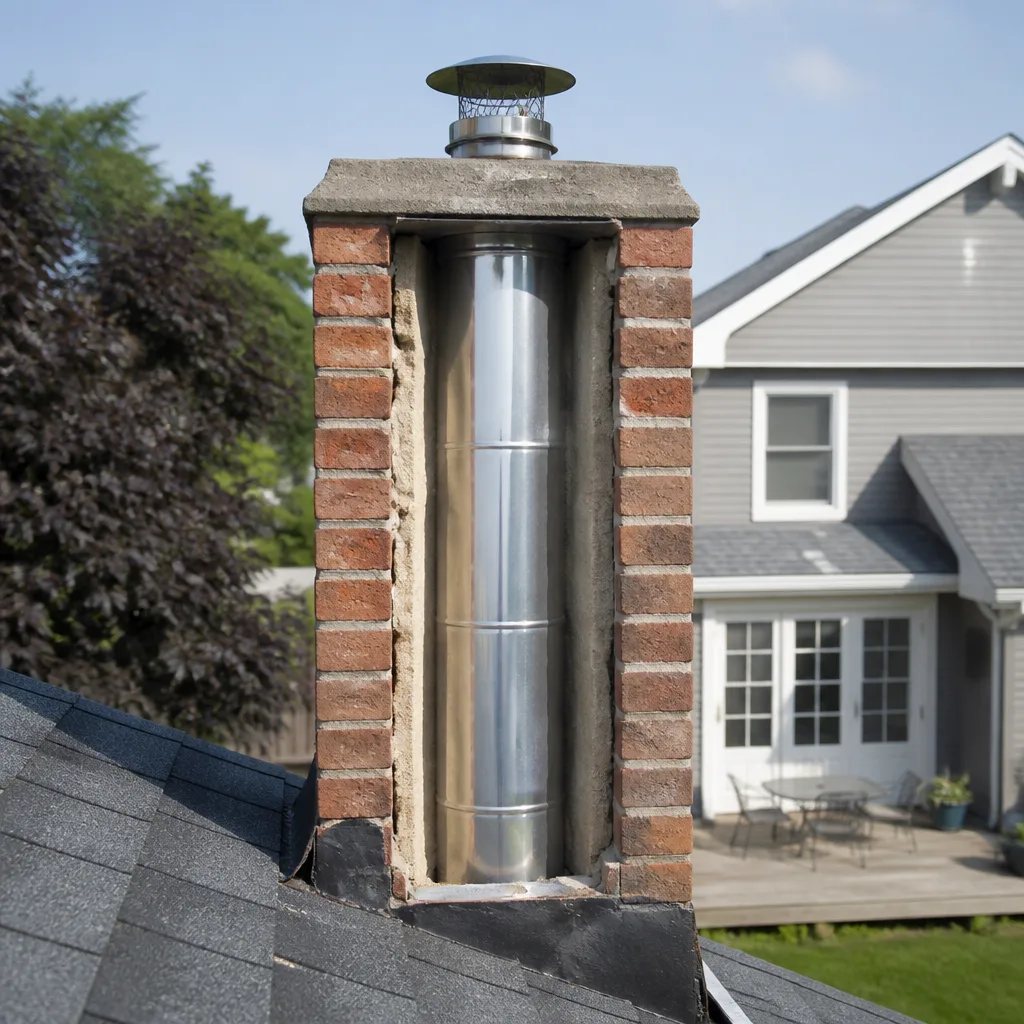
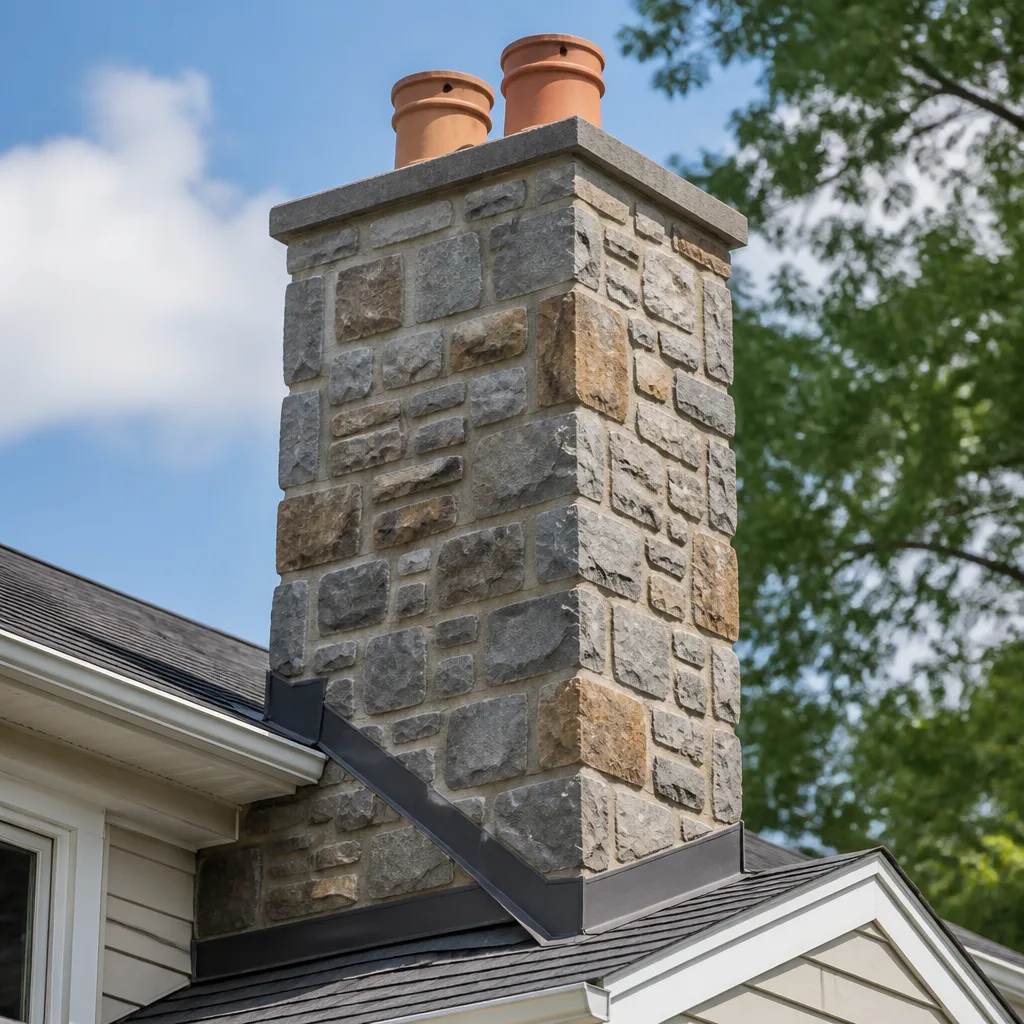
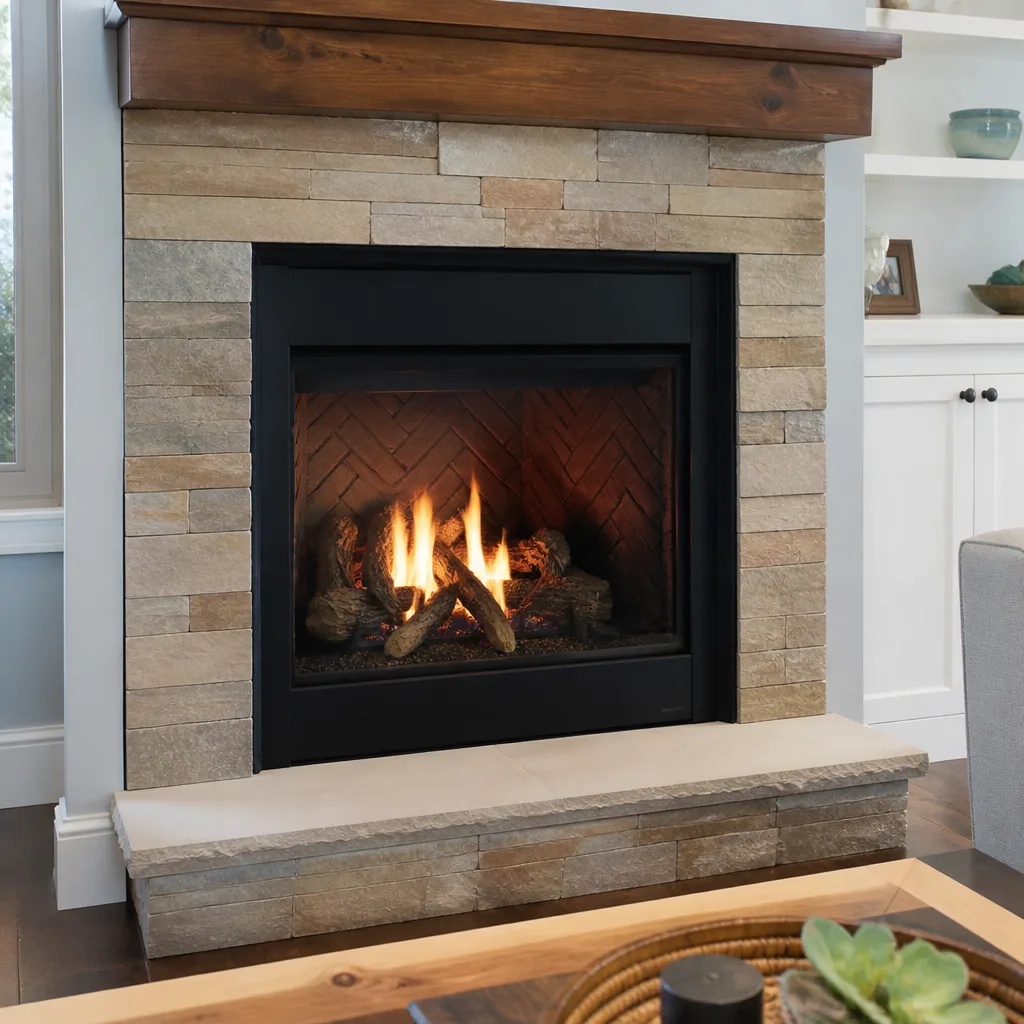
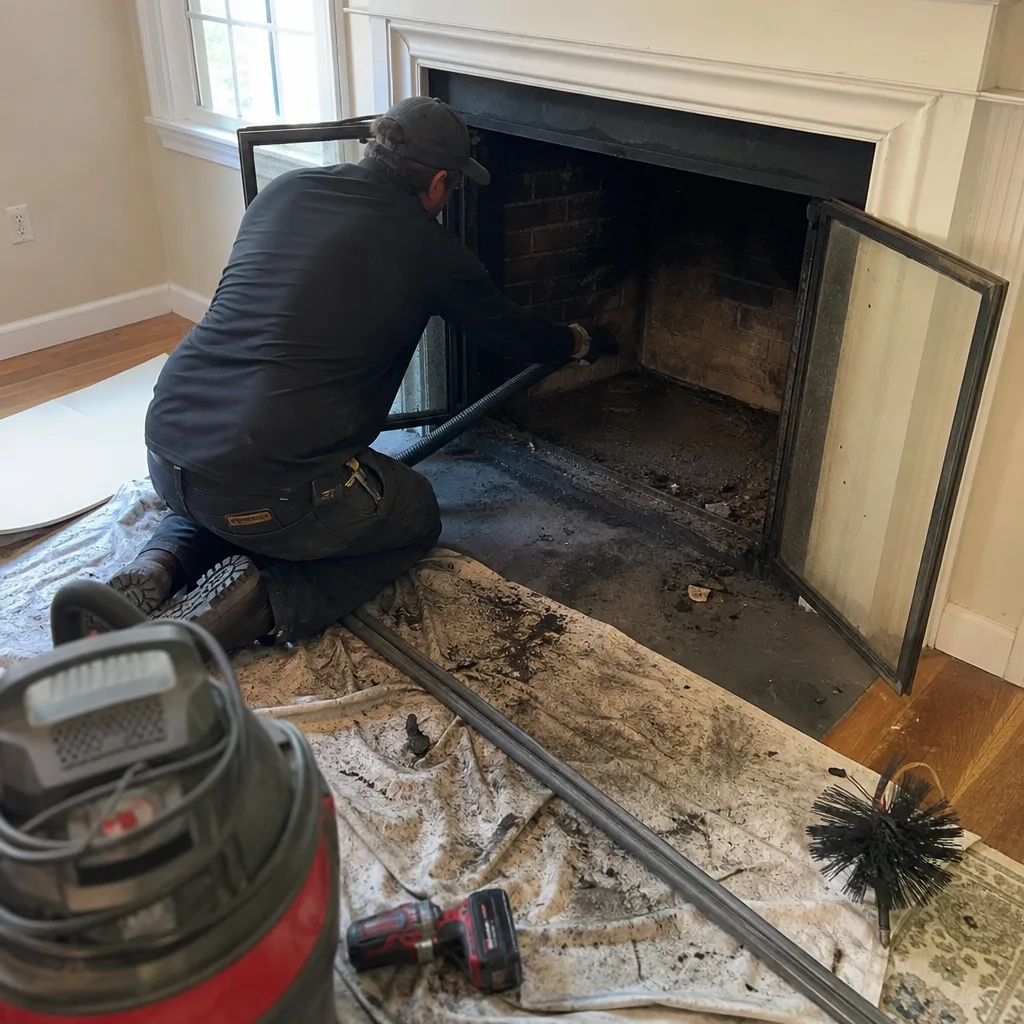 Before
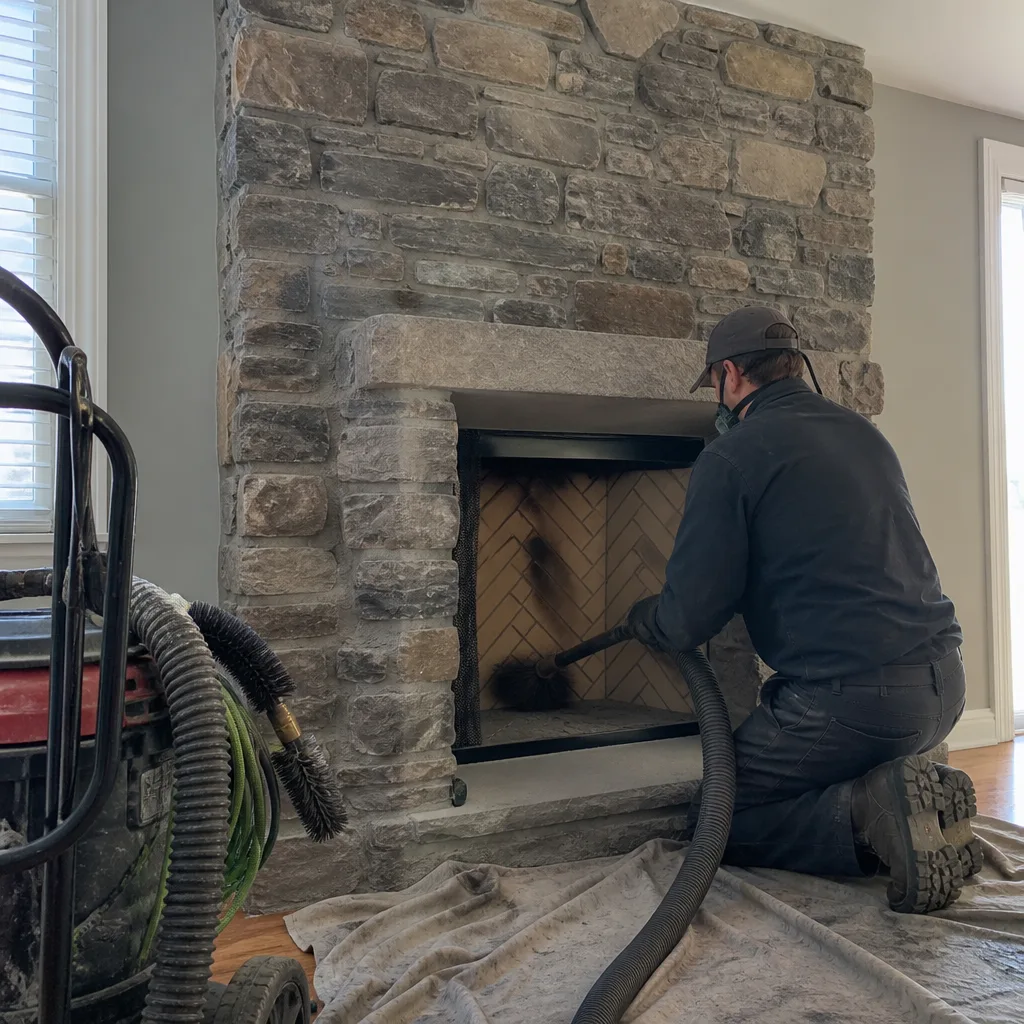 After
After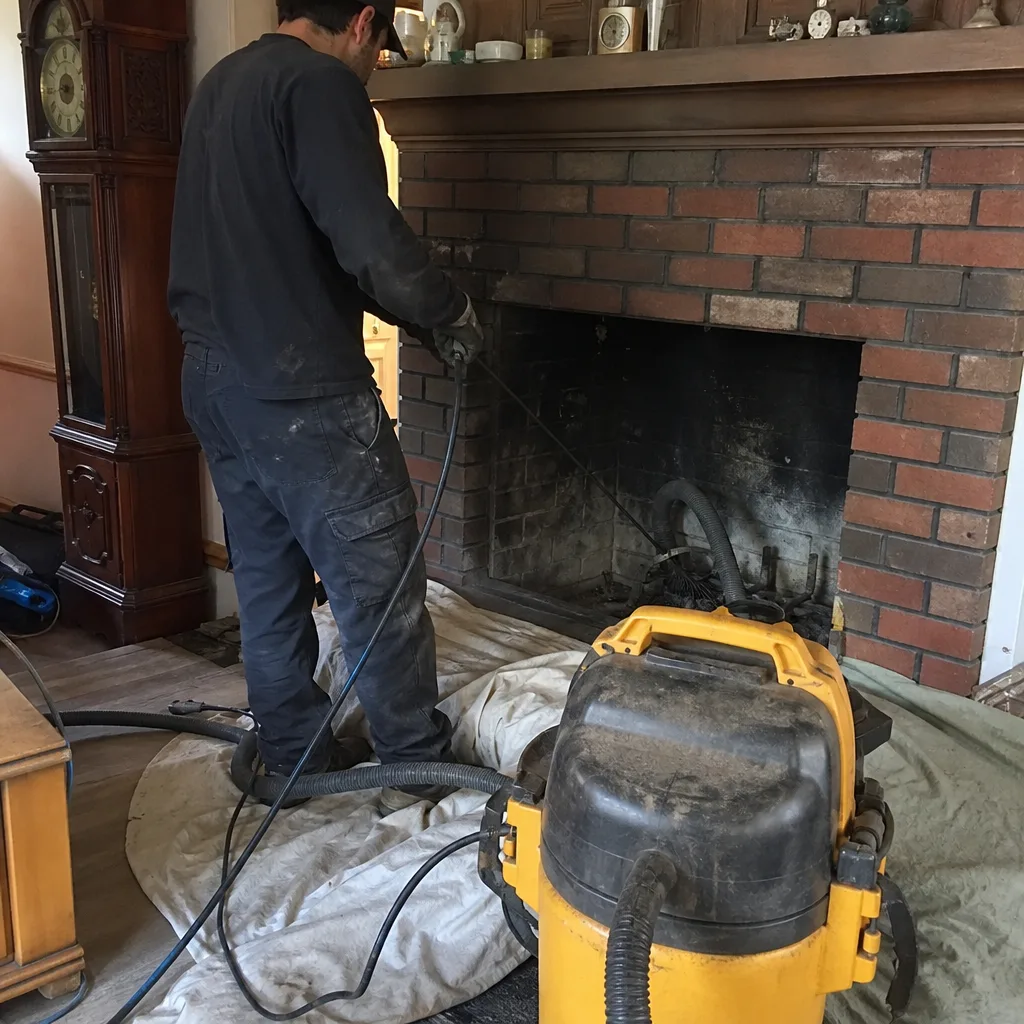 Before
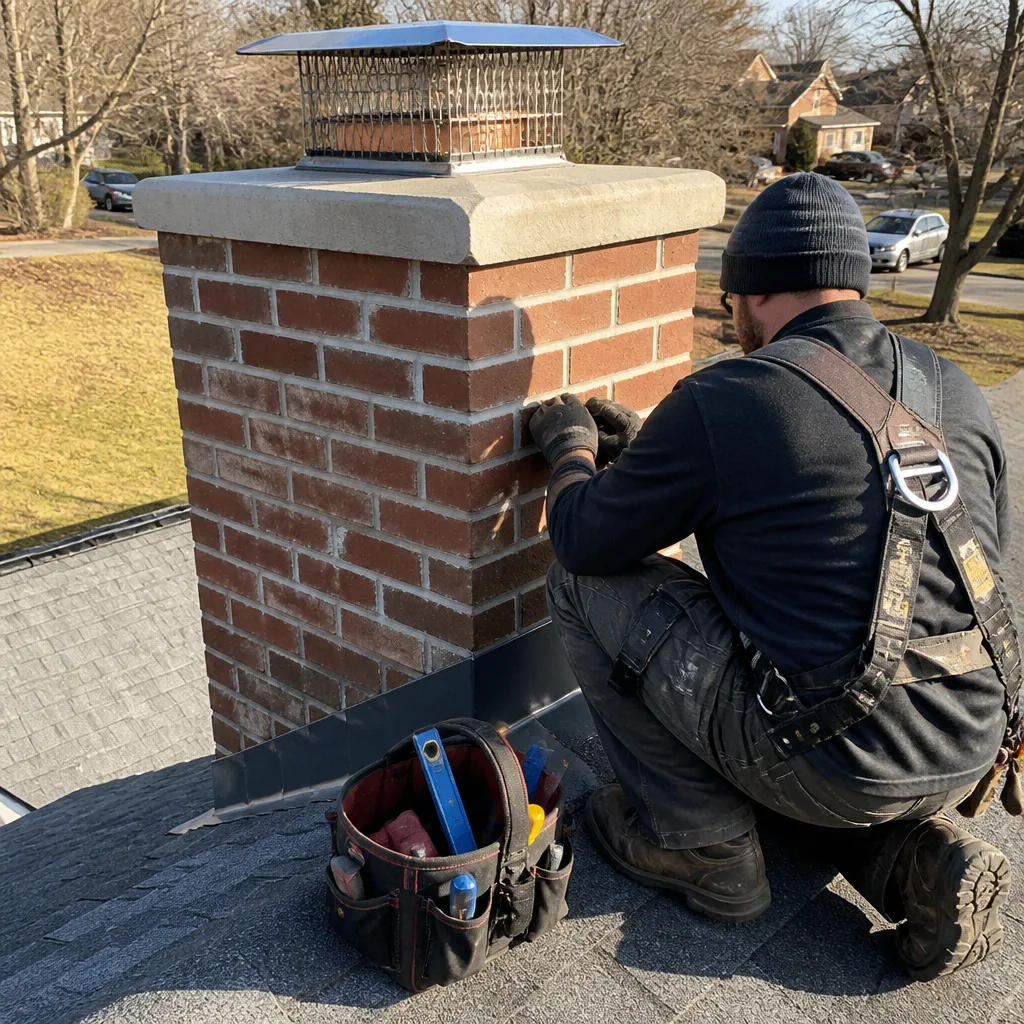 After
After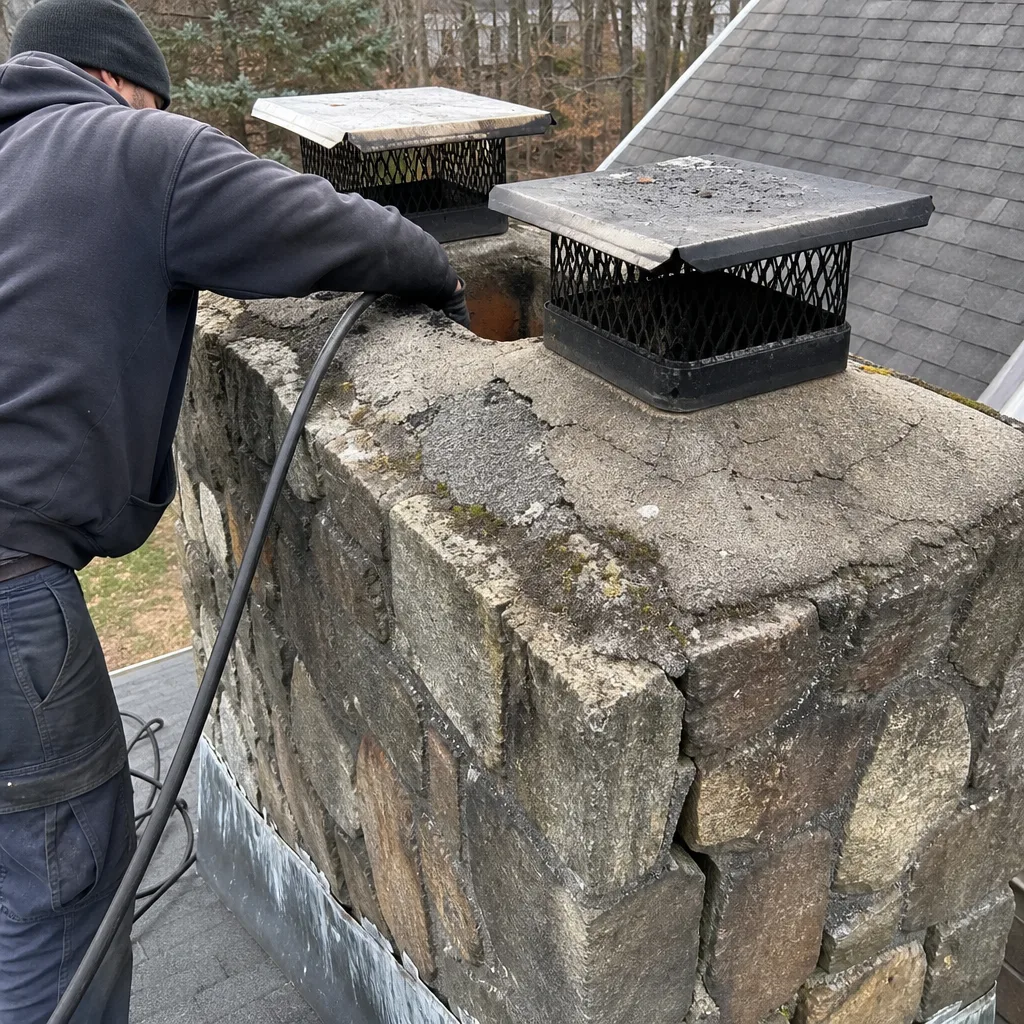 Before
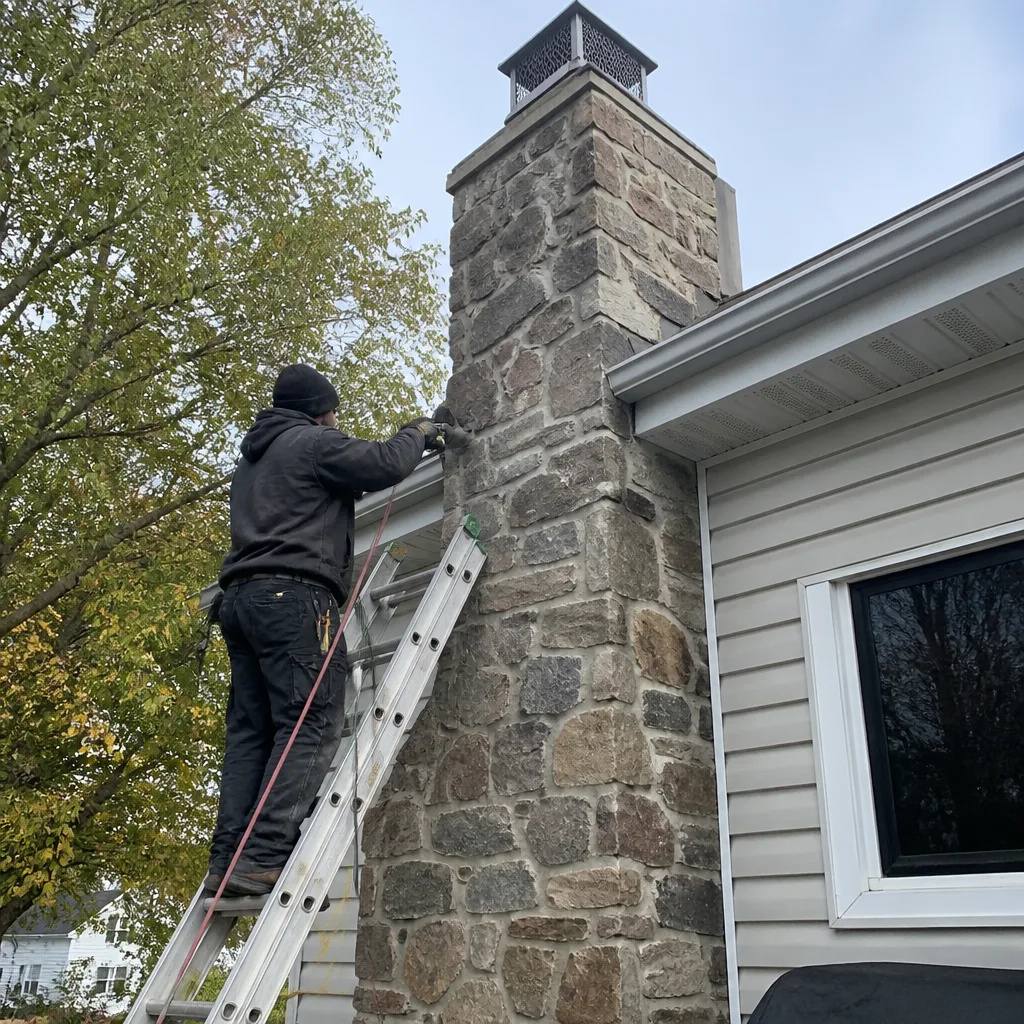 After
AfterDIY vs Professional Chimney Cleaning: The Danbury Homeowner’s Decision Guide
The brushes, rods, and drop cloths for a DIY chimney cleaning cost about $120 at a Danbury hardware store. That’s close to the price of a professional cleaning, but it does not include a camera, a trained eye on the liner, or any accountability if a problem is missed. In this guide and our How to Hire a Chimney Cleaning Contractor in Danbury: A Step-by-Step Guide, we’ll help you figure out whether your home, your chimney, and your situation make you one of the few Danbury homeowners who can safely handle this job yourself, or whether calling a professional is the smarter path from the start.
Quick Answer
DIY chimney cleaning is a reasonable choice only when three conditions are all met: you burn exclusively seasoned hardwood, you have a straight, masonry flue with no bends or offsets, and you can safely access your roof to work with a brush on an extension rod. Most Danbury homes, particularly the colonials and ranches built from the 1950s through the 1980s, fail at least one of these conditions due to older liner configurations, offset flues, or the layered creosote that builds up during Connecticut’s long heating season.
Table of Contents
- When DIY Chimney Cleaning Actually Makes Sense
- What You Cannot See Without a Camera
- What Professional Chimney Cleaning Actually Includes
- The Minimum DIY Equipment and Correct Sequence
- Why Most Danbury Homes Need Professional Service
- The Liability Gap: DIY Cleaning and Your Insurance
- Honest Cost Comparison in the Danbury Market
- Common Mistakes to Avoid
- When to Call a Professional
- Frequently Asked Questions
When DIY Chimney Cleaning Actually Makes Sense
We have been sweeping chimneys in Danbury and the surrounding towns for over 42 years. In that time, we have met perhaps two dozen homeowners who genuinely had the right setup to clean their own chimney safely and effectively. They shared a specific profile, and it is worth describing honestly so you can see whether you match it.
The three conditions must all be true. Missing even one shifts the risk-reward calculation toward hiring a professional.
Condition 1: You Burn Only Seasoned Hardwood
Seasoned hardwood, burned hot and dry, produces flaky, sooty creosote that brushes off relatively easily. If you burn softwoods like pine, if you burn unseasoned or partially seasoned wood, or if you use manufactured logs with wax binders, the creosote that forms is different. It becomes glazed, tar-like, and adherent. Stage 2 and Stage 3 creosote cannot be removed with a standard brush. In our experience working through Danbury winters, the typical homeowner who buys firewood by the cord from a local supplier is getting mixed hardwood that may not have been split and stacked a full year. That wood produces creosote that looks manageable but has hidden layers.
Condition 2: Straight Masonry Flue With No Offsets
A straight flue lets a brush pass through in a simple up-and-down motion. An offset, a bend, or a transition from masonry to metal liner creates spots where the brush cannot make full contact. Many Danbury colonials built in the 1960s and 1970s have flues with slight offsets where the chimney shifts to avoid a structural member. You cannot see this from the firebox. You cannot feel it with a brush on a flexible rod. But creosote accumulates at these offsets, and it is precisely where a chimney fire is most likely to start.
Condition 3: Safe Roof Access
The standard method requires working from the top down with a brush on extension rods. Danbury’s rooflines vary, but the colonial-style homes in neighborhoods like King Street, Shelter Rock, and the areas near Lake Waubeeka often have pitches steep enough that working on them without proper fall protection is genuinely dangerous. A brush caught on a liner joint can transfer torque suddenly. If you are not comfortable on your roof in November with wet leaves underfoot, this condition fails.
If all three conditions are met, and if you are mechanically competent and patient, DIY cleaning is a real option. But you should still close each season with a camera inspection from a professional. That is the one thing we recommend every DIY-minded homeowner hire out regardless.
What You Cannot See Without a Camera
This is where most DIY versus professional comparisons fall short. They compare the act of brushing, as if brushing is the whole job. It is not. The brushing removes loose, accessible deposits. What remains invisible to the homeowner, and what causes the majority of serious chimney problems we encounter in Danbury, requires a camera and someone who knows what they are looking at.
Liner Cracks and Gaps
Clay tile liners crack from thermal cycling, freeze-thaw stress, and settling. A crack can be hairline and still allow combustion gases to reach the surrounding masonry. In Danbury’s climate, with temperature swings from below zero to above freezing common in late winter, this damage accelerates. A camera inspection reveals these cracks. A brush does not. A homeowner looking up a flue with a flashlight sees darkness and assumes cleanliness.
We use Level-2 camera inspections that end with photos the homeowner can see and a plain-English verdict. In a typical Danbury inspection, we find liner issues in roughly one of every three homes over thirty years old. The homeowner had no indication of a problem. Their chimney “looked fine.”
Smoke Chamber Bypasses
The smoke chamber is the area above the damper and below the flue. It is supposed to be smooth, with sloping walls that direct smoke into the flue. Over time, mortar joints erode, corbelling bricks become exposed, and smoke can swirl in eddies instead of rising cleanly. This causes poor draft, smoke spillage into the room, and accelerated creosote buildup. None of this is visible from the firebox without a camera on an articulating head. None of it is addressed by brushing the flue.
Stage 2 Creosote Glazing
Stage 1 creosote is fluffy and black. It brushes off. Stage 2 is shiny, hard, and baked on. It can look like clean tile to the untrained eye. Stage 3 is a tar-like glaze that is essentially a fuel source waiting for ignition. In our work across Danbury, particularly in homes that burn mixed hardwoods or that run stoves at low air settings for overnight burns, we see Stage 2 and 3 creosote regularly. A homeowner doing their own cleaning with a brush will feel resistance decrease and assume the flue is clean. It is not. The dangerous material remains.
Professional sweeps use mechanical whips, rotary systems, and chemical treatments for glazed creosote. We carry these tools because we need them. A hardware store brush kit does not include them.
What Professional Chimney Cleaning Actually Includes
To make a fair comparison, you need to know what is actually being compared. A professional chimney cleaning from Hearthstone Chimney Co. includes specific steps, tools, and documentation that a DIY kit cannot replicate. We describe this not to sell a service, but to define the terms of the decision.
- Pre-inspection of the firebox, damper, and smoke chamber. We look for structural issues, missing mortar, and creosote buildup outside the flue before we begin.
- Containment of the work area. HEPA vacuums, drop cloths, and sealed access to prevent soot migration into your living space. We have seen DIY attempts that left black dust on furniture three rooms away.
- Mechanical sweeping of the flue. We match the tool to the flue: poly brushes for metal liners, wire brushes for masonry, rotary whips for glazed creosote. The brush size must fit the flue diameter precisely. An undersized brush leaves deposits. An oversized one can damage the liner.
- Debris removal and vacuuming. All loosened material is removed from the smoke shelf, firebox, and cleanout.
- Level-2 camera inspection. This is the critical step. We document the full length of the flue, the smoke chamber, and the firebox. You receive photos and a written verdict.
- Condition report with recommendations. We tell you what needs attention now, what can wait, and what to monitor. If a liner replacement is needed, we explain why and show you the evidence. Nothing is recommended without camera evidence you can see for yourself.
The Hearthstone Chimney Co. home page describes our full service range, but this is the core of what chimney cleaning means when done professionally. It is a diagnostic and maintenance procedure, not merely a brushing.
The Minimum DIY Equipment and Correct Sequence
If, after reading the above, you still believe your situation fits the narrow conditions for DIY cleaning, here is what you actually need and how to do it without creating more problems than you solve.
Minimum Equipment
- Chimney brush sized exactly to your flue diameter (measure before buying; a 6-inch brush in an 8-inch flue is nearly useless)
- Extension rods sufficient for your chimney height, with button-lock or torque-lock connections
- Drop cloths, not plastic sheeting, which generates static and spreads soot
- HEPA-rated shop vacuum, not a household vacuum, which will exhaust fine particulate through the exhaust
- Safety glasses, respirator rated for fine particulate, and work gloves
- Sturdy ladder and fall protection if working from the roof
The Correct Sequence
- Inspect the firebox and damper from below. Look for missing mortar, cracked bricks, or damaged damper blades. If you find any of these, stop and call a professional.
- Seal the fireplace opening from the room side with plastic sheeting and tape. This prevents soot from entering your home when you dislodge material from above.
- Access the flue from the top if possible. Insert the brush and work it up and down with firm pressure. Add rods as needed. The brush should resist slightly; if it passes through without contact, your brush is too small or your flue is larger than you measured.
- Work the full length of the flue multiple times. One pass is not sufficient.
- Remove the brush and inspect the rods for excessive wear or damage. A broken rod left in the flue is a serious problem.
- From below, remove the seal carefully, vacuum the firebox and smoke shelf, and inspect what you have collected. Heavy, shiny, or tar-like debris indicates glazed creosote that requires professional treatment.
- Hire a professional for a camera inspection. This is non-negotiable in our view. You have brushed what you can reach. You need verification of what remains.
Even with correct technique, the DIY method has hard limits. You cannot inspect the smoke chamber properly. You cannot evaluate the liner condition. You cannot identify a hidden obstruction or animal nest above the smoke shelf. The camera inspection closes these gaps.
Why Most Danbury Homes Need Professional Service
Danbury’s housing stock has characteristics that push most homes outside the narrow DIY-suitable category. Understanding your home’s construction era and neighborhood helps clarify where you stand.
The post-war building boom in Danbury produced thousands of colonials, ranches, and split-levels from the late 1940s through the 1980s. Many of these homes were originally built with unlined masonry flues or with clay tile liners that have now seen six decades of thermal cycling. In the Stony Hill area, in the homes climbing the hills above Main Street, and in the older neighborhoods near the downtown, we regularly find chimneys that have settled slightly, creating offsets that a brush cannot navigate.
The climate matters too, which is why we wrote our Seasonal Chimney Cleaning Care for Danbury: Year-Round Homeowner’s Guide. Connecticut’s heating season runs from October through April, with shoulder months that see intermittent use. This pattern, repeated over decades, produces creosote that is more layered and more variable in composition than in regions with shorter, more intense heating seasons. A homeowner in a milder climate might get away with simpler maintenance. In Danbury, the accumulated deposits are typically more challenging.
We also see a significant number of homes with fireplace inserts or wood stoves installed into original masonry fireplaces. These retrofits often involve flexible stainless liners, reduced flue diameters, and connection points that are not visible or accessible for DIY cleaning. The fireplace services we provide in Danbury include many calls where an insert was installed by a previous owner with documentation that has long since disappeared. The current homeowner does not know what liner is present, what condition it is in, or how to access it properly.
Russell Haines, who has led our company since 2014 and oversees all field operations, has noted that the most common post-DIY call we receive is not from someone who injured themselves or damaged their chimney. It is from someone who did the work, felt satisfied, and then learned at closing or after a neighbor’s fire that they had no documentation of liner condition for their insurer or buyer. The cleaning was done. The accountability was not.
The Liability Gap: DIY Cleaning and Your Insurance
This is the point that is rarely discussed in DIY versus professional comparisons, and it matters enormously for homeowners who have carried insurance for decades and expect it to function if needed.
After a chimney fire, your insurance adjuster will request documentation of maintenance. A professional cleaning comes with a dated invoice, often with inspection photos, and sometimes with a written condition report. This documentation establishes that you exercised reasonable care. A DIY cleaning produces none of this. You have a receipt for a brush kit from a Danbury hardware store. That is not maintenance documentation.
In disputed cases, insurers have denied or reduced claims where the homeowner could not produce professional inspection records. The logic is straightforward: anyone can buy a brush. Not everyone can evaluate a flue. The insurer’s position, increasingly common, is that DIY brushing without professional inspection does not constitute adequate maintenance of a critical safety system.
We are not alarmists about this. Most chimney fires do not become total losses. But the financial exposure extends beyond fire damage. If a poorly maintained chimney contributes to a carbon monoxide event, the liability questions become more severe. Carbon monoxide is odorless, and its sources can be difficult to trace. A documented professional inspection history protects you in ways that a brush in your garage does not.
For homeowners in Danbury who have lived in their homes for twenty or more years and intend to stay, this documentation accumulates value. It is evidence of care. It is transferable to heirs or buyers. It is proof that you treated your chimney as the safety system it is, not as a passive architectural feature.
Honest Cost Comparison in the Danbury Market
Cost is a real factor, and we treat it plainly. See our Chimney Cleaning Cost Breakdown: The Danbury Homeowner’s Reference for 2026 for full details. Here is what each path actually costs in the Danbury area, based on what we know of local hardware pricing and our own service rates.
| Item | DIY Path | Professional Path |
|---|---|---|
| Basic brush and rod kit | $80-$120 | Included in service |
| HEPA vacuum rental or purchase | $50-$200 | Included in service |
| Respirator, gloves, safety glasses | $30-$50 | Included in service |
| Camera inspection (essential) | $150-$250 hired separately | Included in service |
| Professional chimney cleaning in Danbury | Not applicable | $200-$300 typical range |
| Written condition report with photos | Not available | Included in service |
| Accountability if damage or missed problem | None | 90-Day Done Right Promise, in writing |
The honest math: if you do DIY correctly, including the camera inspection we believe is essential, your total cost is approximately $310-$620. A professional cleaning with inspection is typically $200-$300. The DIY path costs more, carries more risk, and produces no documentation for insurance purposes. The only scenario where DIY saves money is if you skip the camera inspection, which we do not recommend, or if you already own the equipment and assign no value to your time.
Our chimney repair services in Danbury often begin with calls from homeowners who attempted DIY cleaning, discovered damage they could not address, and now need professional intervention. The initial “savings” evaporate quickly in these cases.
Common Mistakes to Avoid
- Using a brush that is the wrong size for the flue. An undersized brush bounces around without making contact, leaving deposits that the homeowner assumes are cleaned. We find this regularly in Danbury homes where the owner bought a standard kit without measuring.
- Working from inside only, without roof access. Pushing a brush up from below can compact debris at the top of the flue, creating a blockage. The correct method is top-down for masonry flues.
- Using a household vacuum for soot removal. Standard vacuums exhaust fine particulate through the exhaust port, distributing it through your home. HEPA filtration is required.
- Ignoring the smoke chamber and smoke shelf. These areas accumulate significant debris and are not addressed by flue brushing alone. In Danbury’s older homes, the smoke shelf is often deep and heavily loaded.
- Assuming a clean-looking flue is a safe flue. Stage 2 glazed creosote reflects light and can appear as clean tile. Only a camera inspection and a trained eye can distinguish this.
- Skipping the post-cleaning inspection. The most dangerous mistake. You have no verification of what remains, what is damaged, or what has changed since last season.
- Attempting DIY on a gas or oil flue without understanding the differences. Gas flues can have different lining requirements and corrosion patterns. Oil flues produce sulfuric acid residue that requires specific handling. These are not interchangeable with wood-burning protocols.
When to Call a Professional
Call a professional if your home does not meet all three conditions for DIY suitability. Call if you have any doubt about your roof access or your physical ability to work with extended rods overhead. Call if your chimney has ever had a fire, if you have changed your heating appliance, or if you have not had a camera inspection in the past two years.
Call if you are preparing to sell your home, as buyers and their insurers increasingly request professional inspection documentation. Call if you smell smoke in your living space when the fireplace is in use, if your draft seems weaker than in previous years, or if you hear animal activity in the flue.
Hearthstone Chimney Co. offers free estimates in Danbury. We answer calls with a live person 24 hours a day, 7 days a week. Our technicians are background-checked and uniformed, and most jobs are completed in a single visit with no-hassle upfront pricing. Call (475) 375-9457 to schedule.
Frequently Asked Questions
Professional chimney cleaning in Danbury typically ranges from $200 to $300, which includes the cleaning, a Level-2 camera inspection, photos you can see, and a written condition report. This is comparable to or less than the total cost of DIY equipment plus a separately hired camera inspection. Call (475) 375-9457 for an exact quote - estimates are free.
The National Fire Protection Association recommends annual inspection, with cleaning as needed based on deposit accumulation. In Danbury’s climate, with a heating season that typically runs October through April, most wood-burning chimneys need cleaning annually. Homes that burn daily or that use softer woods may need more frequent service. A camera inspection determines whether cleaning is needed; some chimneys with light use may not require sweeping every year.
You should never accept a liner replacement recommendation without seeing camera evidence and receiving a plain-English explanation of why it is necessary. At Hearthstone Chimney Co., we document every recommendation with photos and explain what we found, what the risk is, and what the timeline looks like. Some liner issues can be monitored. Others require prompt attention. The photos let you decide with confidence. Call (475) 375-9457 for a second opinion on any written estimate - ours is free.
Skipped cleaning allows creosote to accumulate. Creosote is combustible, and at sufficient thickness, it can ignite from normal fireplace temperatures. A chimney fire can reach 2,000 degrees, damaging liners, surrounding structure, and potentially spreading to the home. Even without fire, accumulated deposits restrict draft, causing smoke spillage, poor combustion, and increased carbon monoxide risk. In Danbury’s older homes with original clay liners, the margin for error is smaller than in newer construction. The cost of cleaning is modest compared to these outcomes.
Chemical creosote modifiers exist and can help convert flaky creosote to a more brushable form, but they do not replace mechanical cleaning. They are adjuncts, not alternatives. For Stage 2 or 3 glazed creosote, chemical treatment alone is insufficient. We use professional-grade treatments as part of a mechanical cleaning protocol when appropriate, but never as a standalone solution.
Spring and early summer are ideal. You have just completed your heating season, so deposits are fresh and easier to remove. Scheduling is more flexible, and you are prepared for the next season without the October rush. That said, we clean chimneys year-round in Danbury, and if you are approaching a burning season without recent service, the right time is now.
The Bottom Line
DIY chimney cleaning is possible for a narrow set of homeowners with straight flues, seasoned hardwood, safe roof access, and the discipline to hire a professional camera inspection afterward. Most Danbury homes, shaped by their construction era and climate exposure, do not fit this profile. The cost comparison, when done honestly, favors professional service for most homeowners. The documentation, accountability, and safety verification that come with professional work provide value that a brush kit cannot replicate. If you are uncertain which category your home falls into, explore our more guides & resources or call for a free estimate to remove the guesswork.
Written by Russell Haines, Owner at Hearthstone Chimney Co., serving Danbury since 2014.