
Last updated September 10, 2026
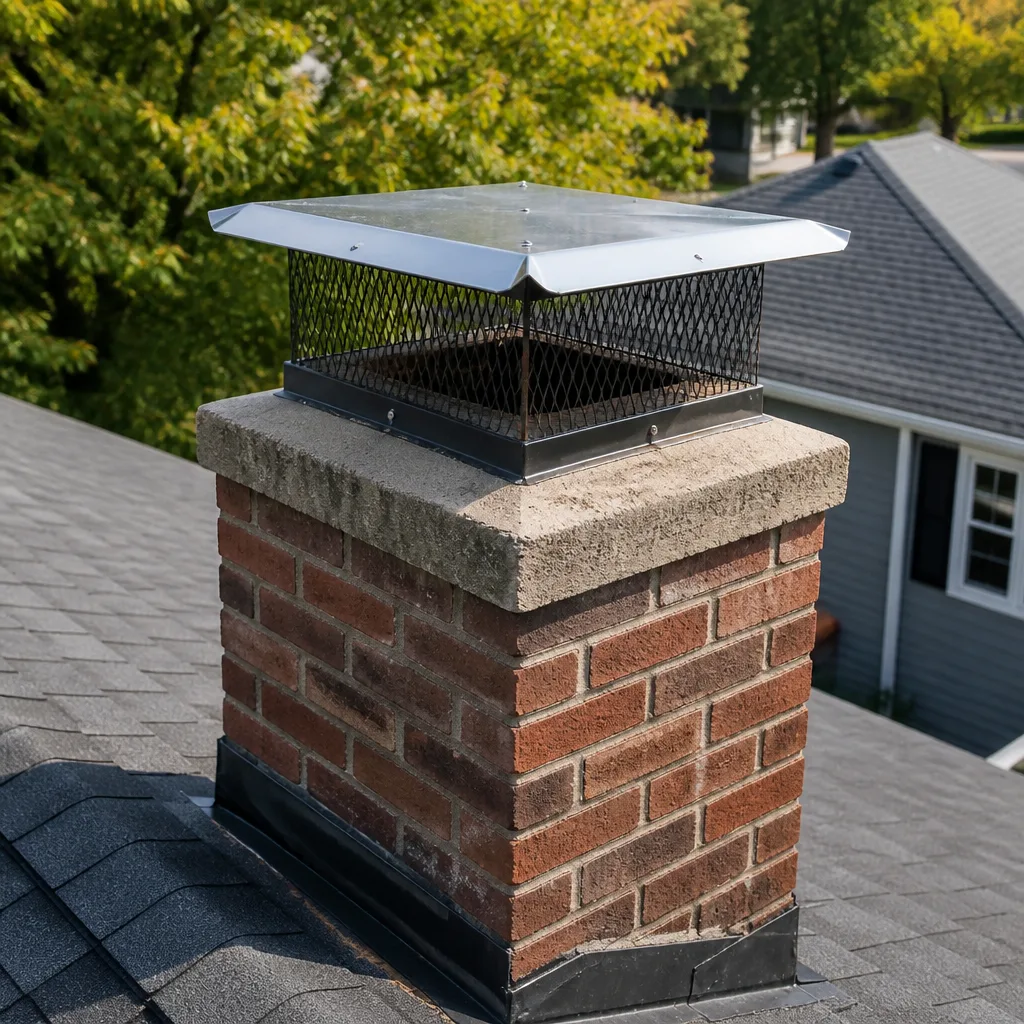
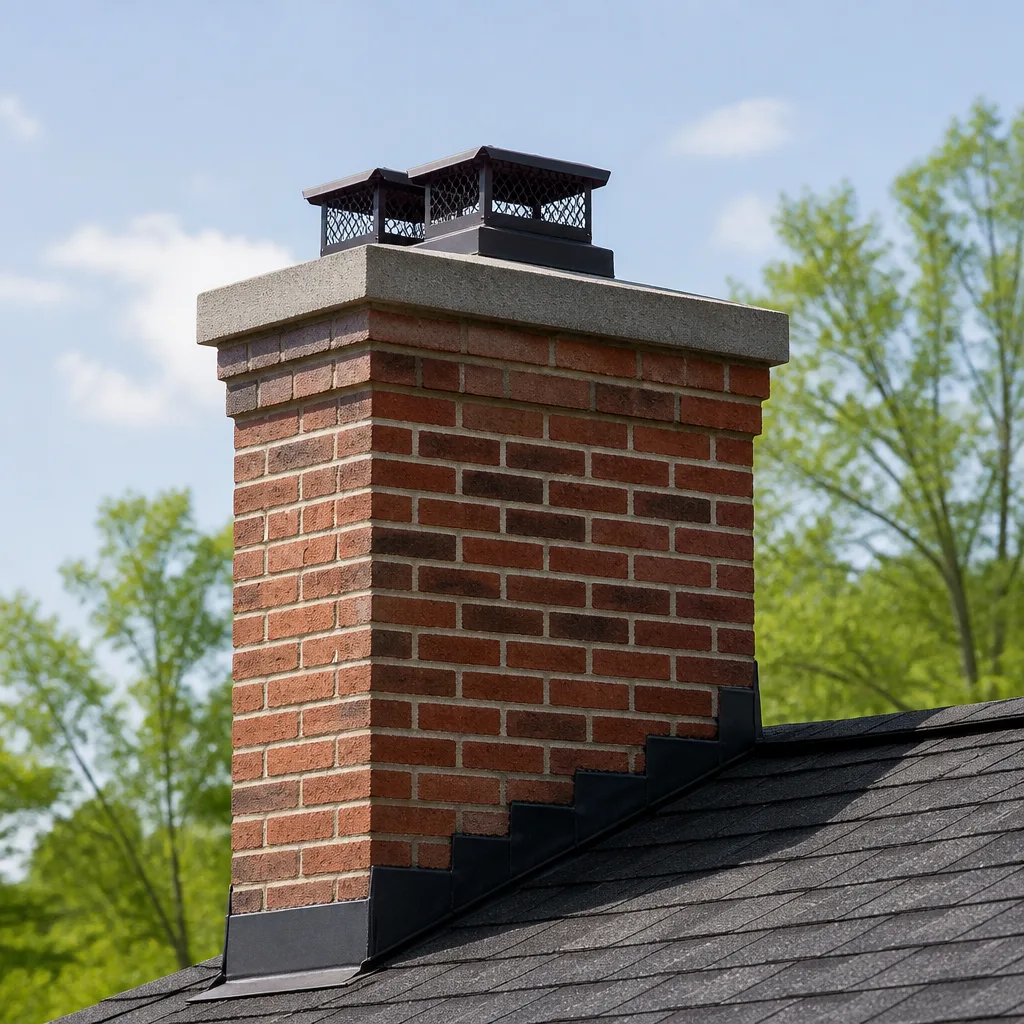
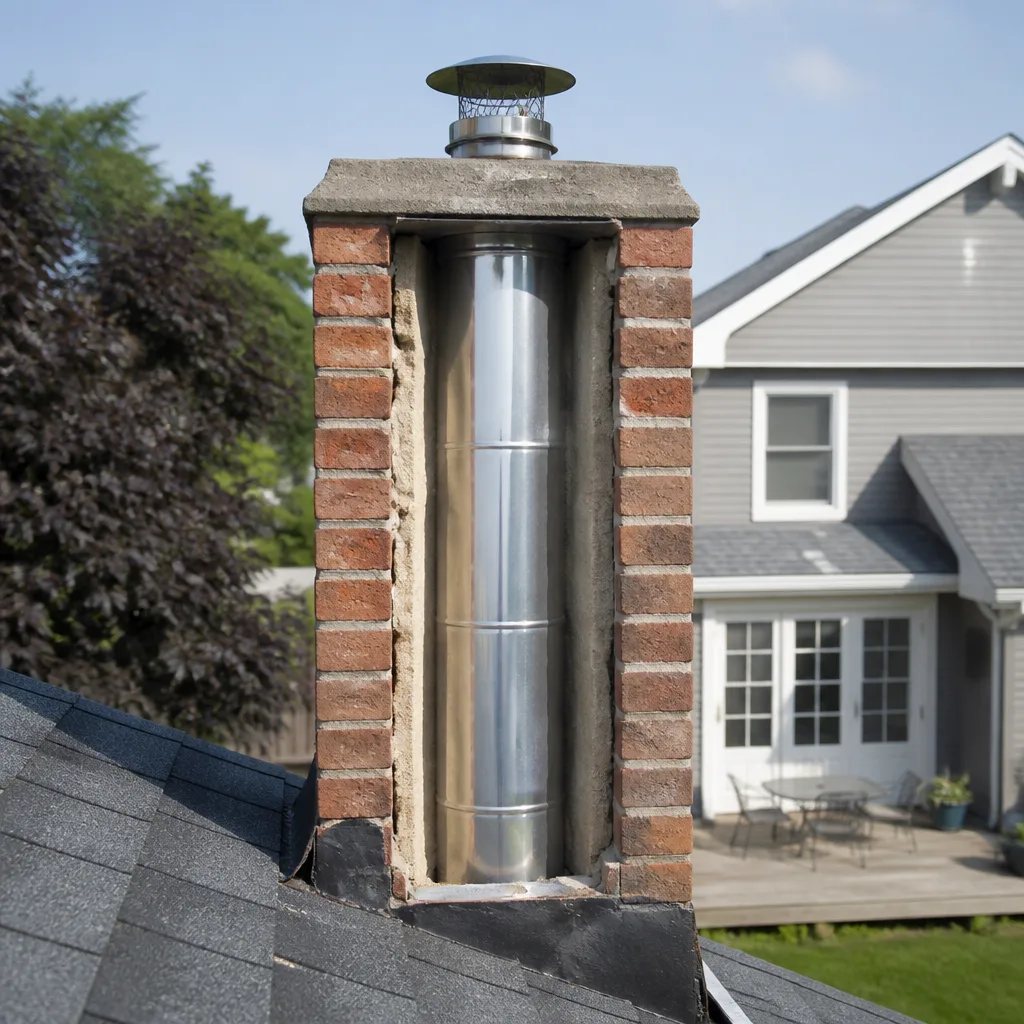
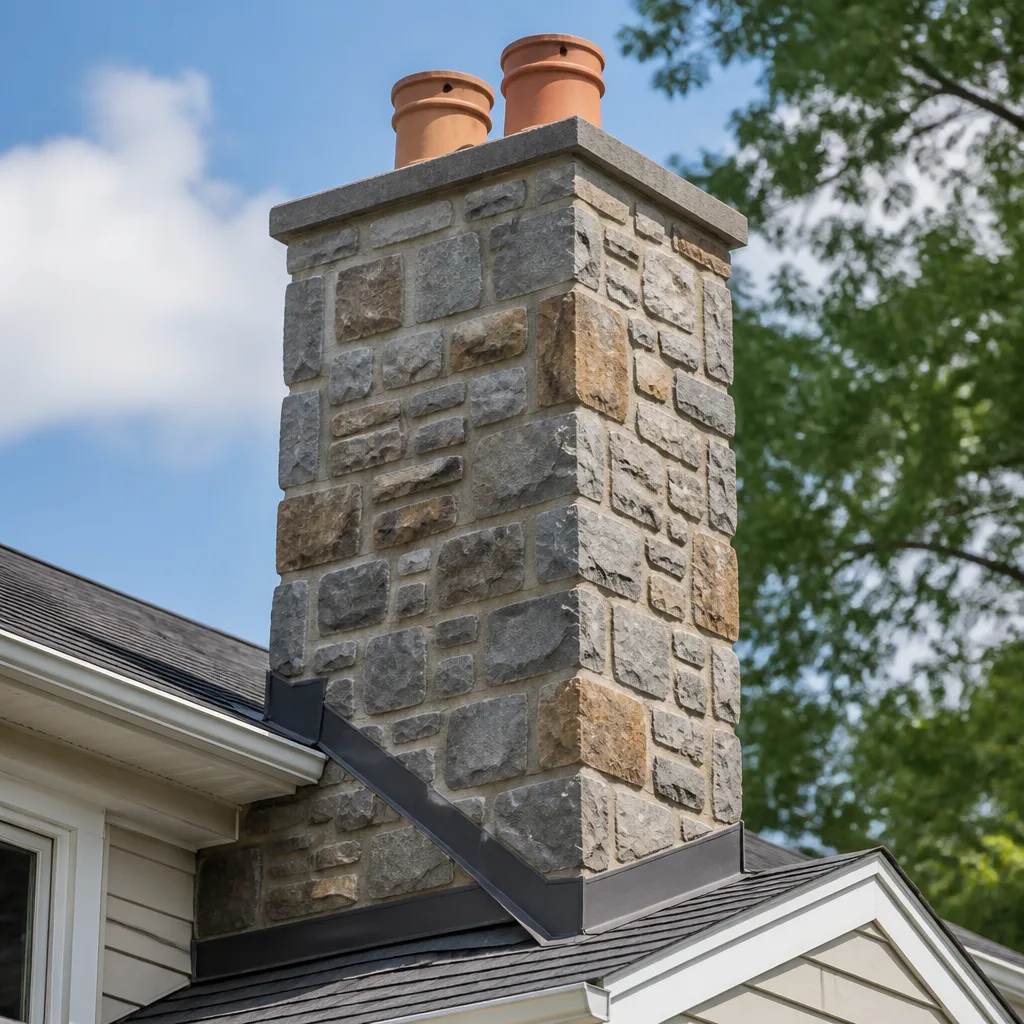
Level 1 sweep and inspection to the NFPA 211 annual standard - flue, crown, cap, and flashing checked and photographed
Chimney sweep logs do not sweep chimneys. They loosen some creosote - which then falls where a brush and vacuum still have to collect it.
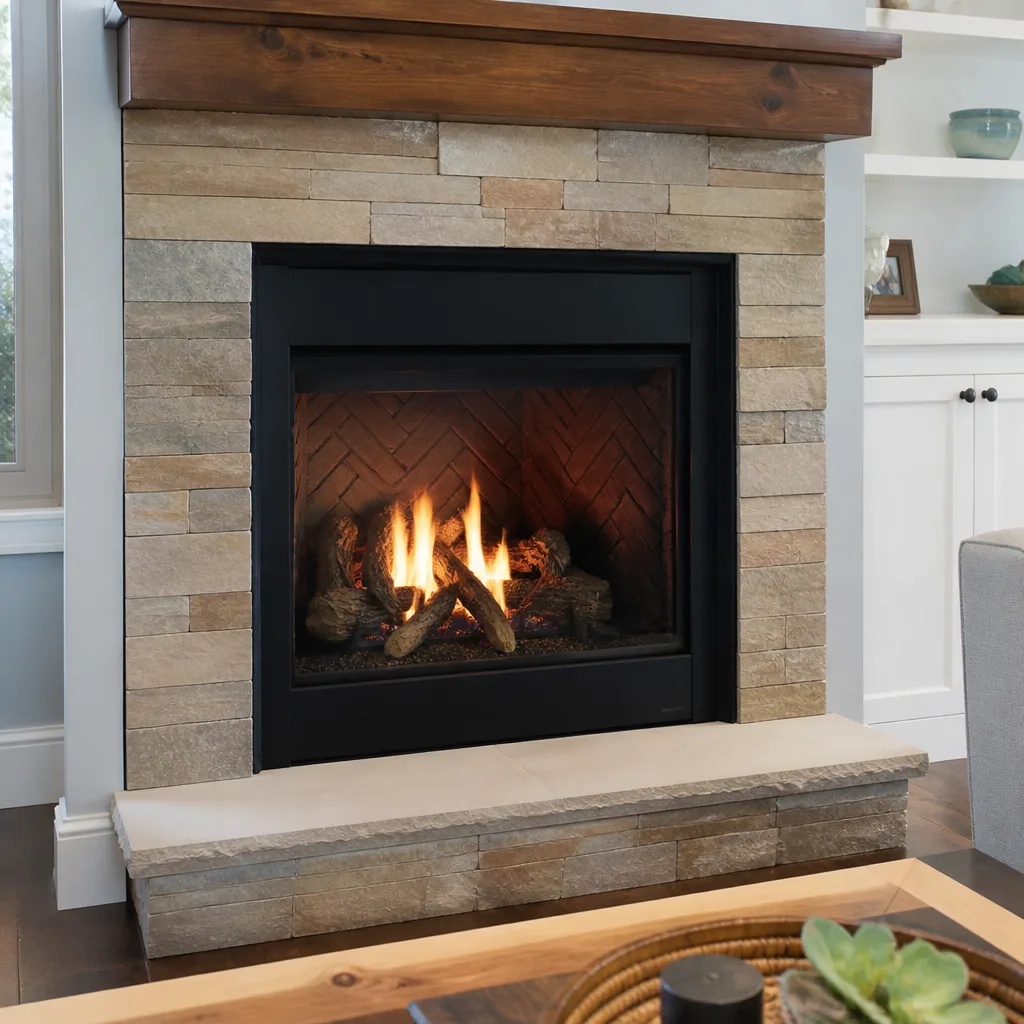
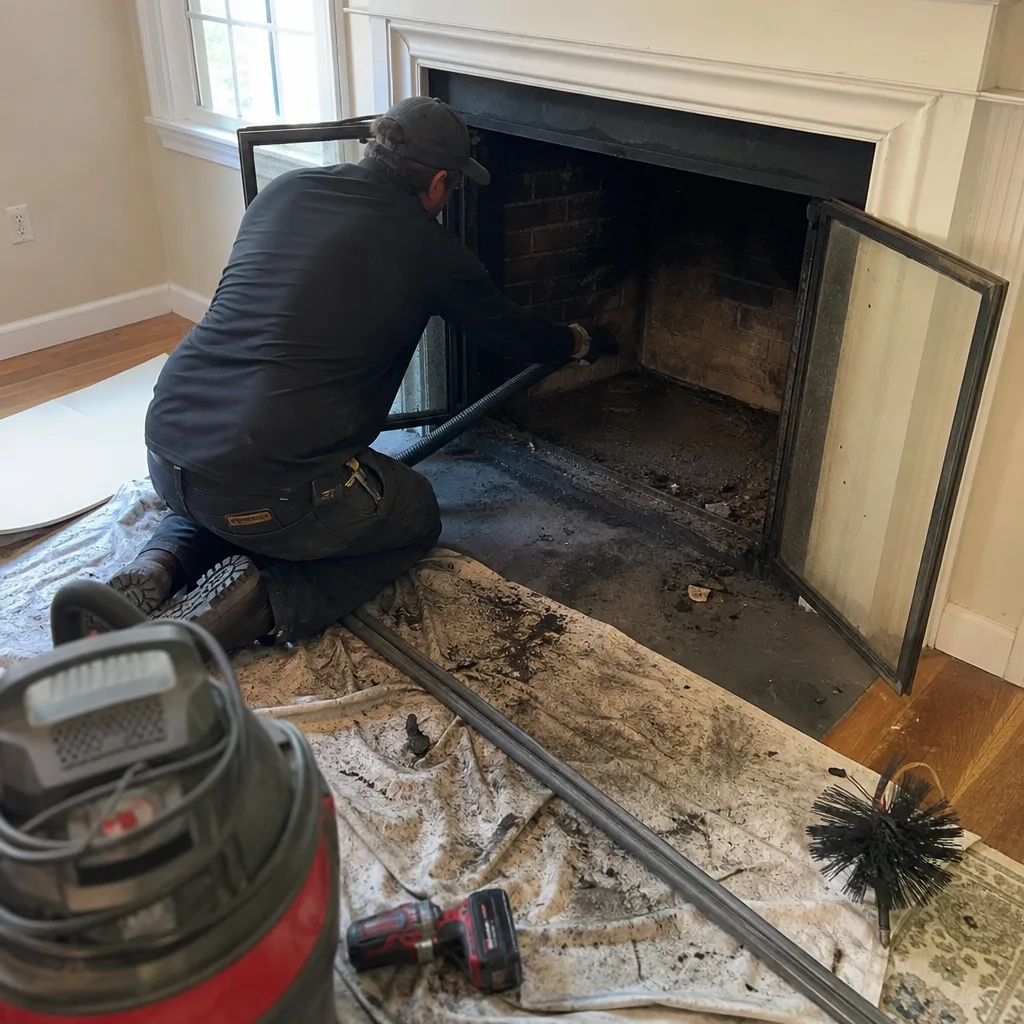 Before
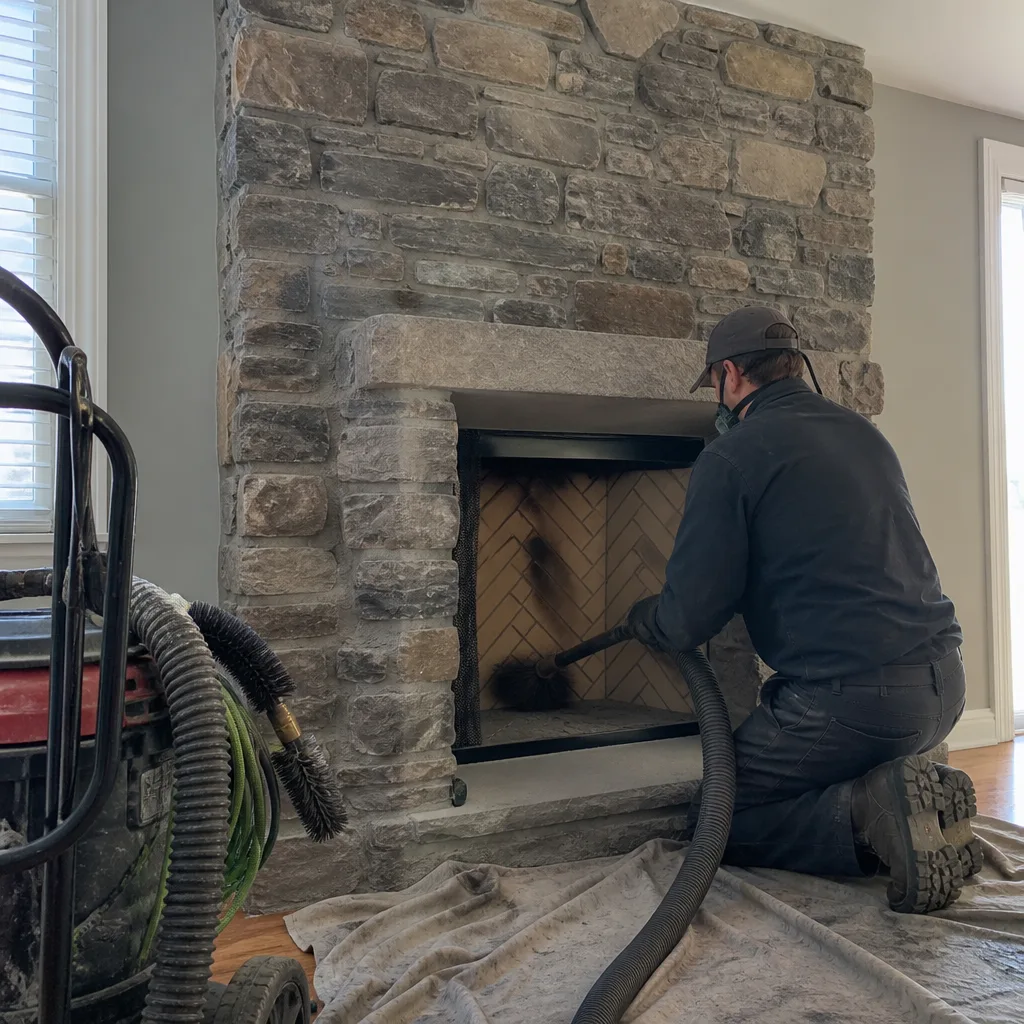 After
After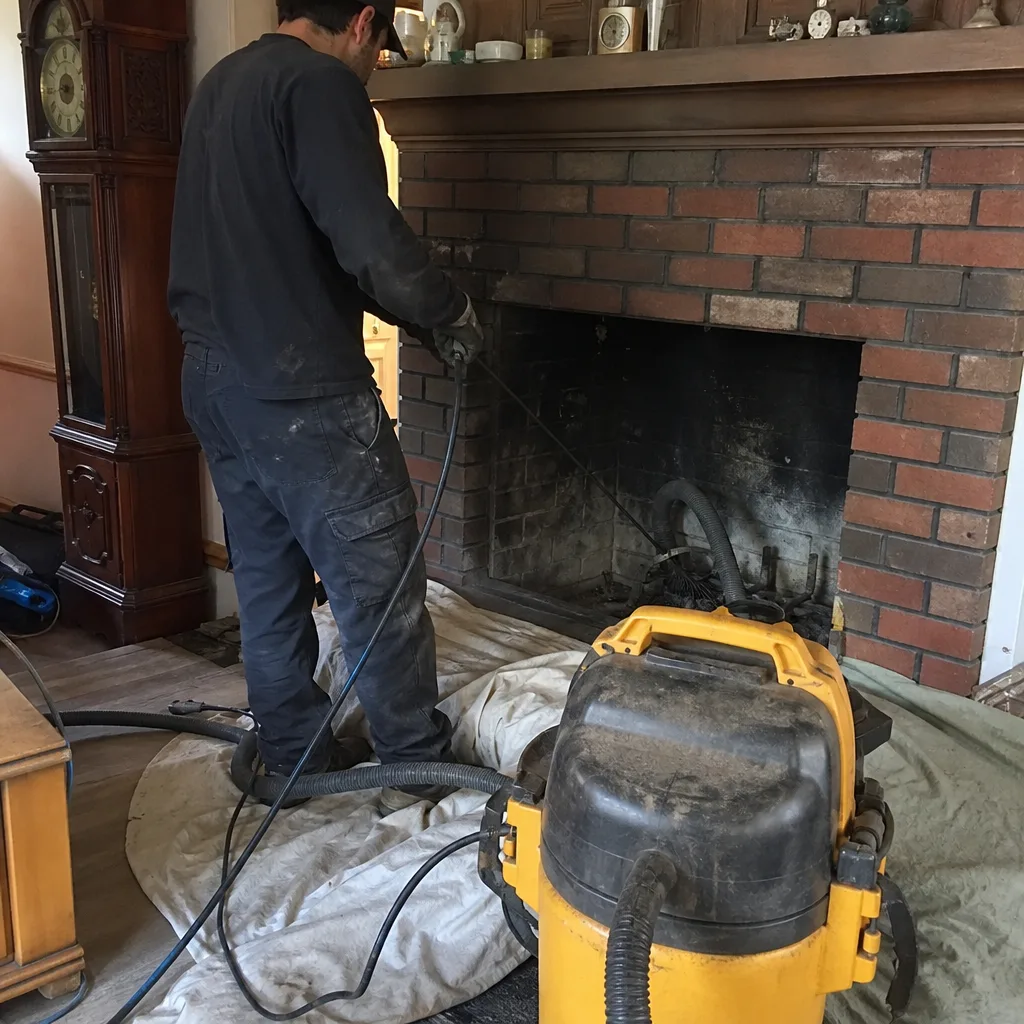 Before
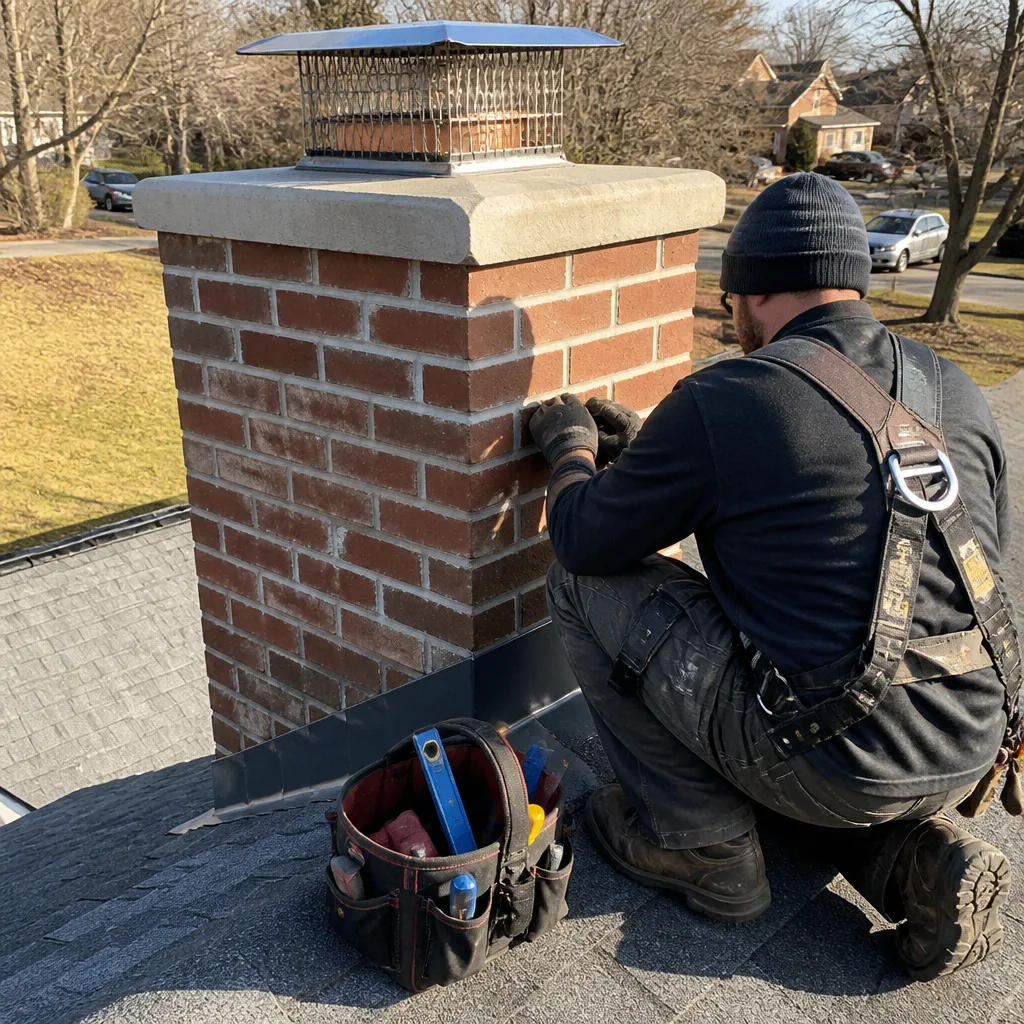 After
After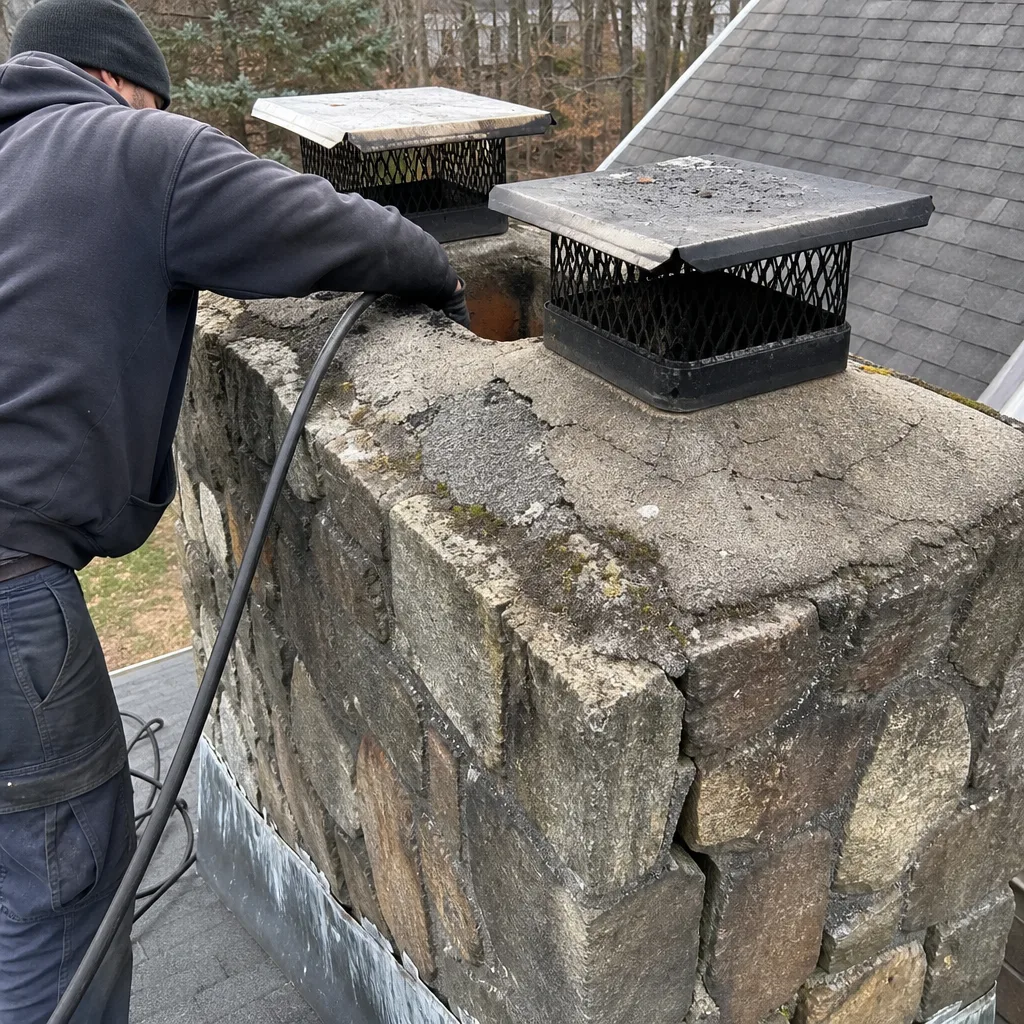 Before
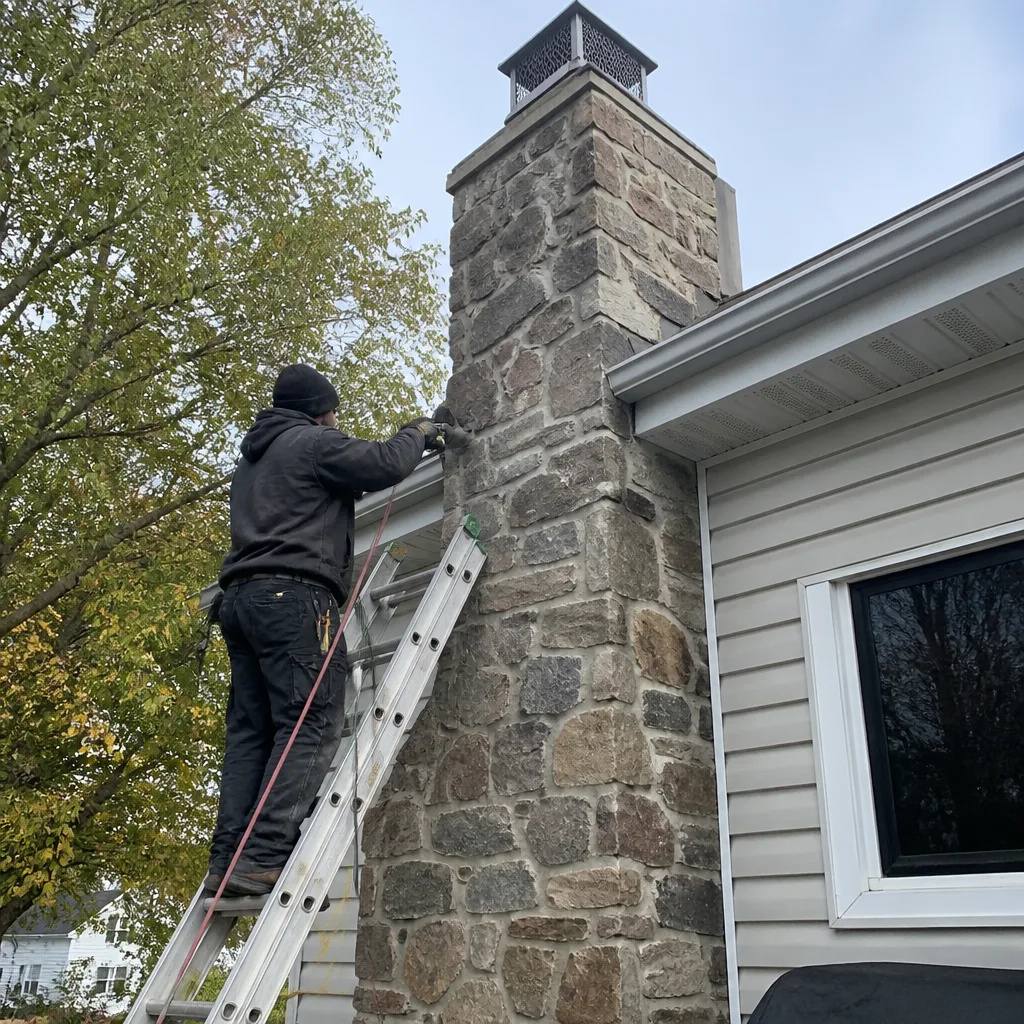 After
AfterChimney Cleaning Warning Signs: A Danbury Homeowner’s Reference Guide
The most dangerous chimney warning sign produces no visible flames and triggers no smoke alarm. A slow-burning creosote fire inside the flue sounds like wind passing through brick, a low rumble that dozens of Danbury homeowners have described to us before we showed them the scorched clay liner inside. By the time you see flames, the damage is already done. This guide names every warning sign we’ve encountered in 42 years of sweeping Fairfield County chimneys, tells you exactly what each one means, and gives you a clear yes-or-no answer on whether you can wait for a scheduled appointment or need to stop using the fireplace today. For more guides & resources on keeping your chimney safe, visit our blog.
Quick Answer
The five chimney warning signs that require immediate attention are: a low rumbling or roaring sound during use (possible flue fire), the smell of hot asphalt or burning plastic (creosote ignition), visible smoke entering the room (blockage or downdraft failure), rust streaks running down the exterior masonry (condensation damage), and cracked or spalling flue tiles visible from the firebox (structural compromise). Most other signs, including campfire odors and minor exterior staining, allow for a scheduled inspection within the burning season.
Table of Contents
- The Smell Index: What Chimney Odors Actually Mean
- Visual Signs You Can Read from the Firebox
- Sound-Based Warning Signs Most Guides Miss
- Draft Problem, Cleaning Problem, or Structural Problem?
- The Urgency Scale: Schedule or Stop Using Today
- Danbury-Specific Factors That Accelerate Chimney Damage
- Common Mistakes to Avoid
- When to Call a Professional
- Frequently Asked Questions
The Smell Index: What Chimney Odors Actually Mean
Your nose is the most underused diagnostic tool in home chimney maintenance. Different problems produce distinct odors, and learning to tell them apart saves you from unnecessary anxiety and, more importantly, from missing a genuine hazard.
Campfire Smell When the Fireplace Is Not in Use
This is the most common odor complaint we hear in Danbury, especially in September and October when homeowners first turn on their heating systems. A faint campfire smell in the house, particularly on humid days, usually indicates a normal accumulation of creosote and soot on the flue walls. The odor intensifies when warm, moist air from the house rises into the chimney and reactivates the residue.
What it means: Your chimney needs sweeping before the burning season begins. This is a scheduled maintenance issue, not an emergency. For full details, see The Complete Guide to Chimney Cleaning in Danbury.
What to do: Book a standard cleaning. The smell will disappear once the deposits are removed.
Hot Asphalt or Burning Plastic
This is the smell of trouble. Creosote that has built up to glazed, third-stage deposits can ignite at temperatures as low as 451 degrees Fahrenheit. Before visible flames appear, the superheated deposits off-gas a distinct chemical odor that homeowners often describe as “hot tar” or “melting roof shingles.”
What it means: A flue fire is beginning or has recently occurred. The chimney may have sustained thermal damage even if the fire self-extinguished.
What to do: Stop using the fireplace immediately. Call for an inspection before the next burn. Do not assume the fire “went out on its own” means no damage was done. If you’re unsure whether to tackle this yourself, read our DIY vs Professional Chimney Cleaning: The Danbury Homeowner’s Decision Guide.
Sulfur or Rotten Egg Odor
Natural gas is odorless; utility companies add mercaptan to make leaks detectable. If you smell sulfur near a gas fireplace or insert, this is a gas leak or combustion problem, not a chimney cleaning issue.
What it means: Potential carbon monoxide hazard from incomplete combustion or gas escape.
What to do: Evacuate the house. Call the gas company from outside. This is not a chimney sweep call.
Mildew or Damp Earth
A musty smell from the fireplace, especially after heavy rain or snowmelt, indicates moisture intrusion. In Danbury’s freeze-thaw climate, water is the single greatest enemy of chimney masonry.
What it means: Failed crown, deteriorated mortar joints, missing or damaged cap, or compromised flashing. Water is entering the system and will accelerate deterioration of liners, dampers, and fireboxes.
What to do: Schedule an inspection within two weeks. The problem worsens with every precipitation event. We document water damage with our level-2 camera inspection, showing you exactly where the breach occurred and what repair is needed. If you need help choosing a qualified professional, see How to Hire a Chimney Cleaning Contractor in Danbury: A Step-by-Step Guide.
Sharp, Acrid Smoke Smell During Use
If the fireplace is operating and you smell sharp, eye-watering smoke inside the house rather than up the flue, you have a drafting failure. This is distinct from the faint smoke smell that clings to furniture after a evening fire.
What it means: Blockage, negative pressure in the house, or flue sizing mismatch. Smoke and carbon monoxide are entering your living space.
What to do: Extinguish the fire if safely possible. Open windows. Do not use the fireplace until inspected.
Visual Signs You Can Read from the Firebox
You do not need a ladder or specialized equipment to spot several important warning signs. A flashlight and a few minutes of observation from the firebox opening reveal what many homeowners miss until a sweep points it out.
Spalling or Cracked Flue Tiles
Shine your flashlight up the flue. Clay flue tiles should present smooth, continuous surfaces. If you see flaking, chipping, or pieces of tile that have fallen to the smoke shelf, you have spalling. This occurs when moisture penetrates the tile, freezes, and expands, fracturing the surface.
In Danbury, we see accelerated spalling in homes built during the 1960s and 1970s construction boom, when lower-grade clay liners were common in developments like King Street and Shelter Rock areas. The freeze-thaw cycles of our winters exploit any microcracks within two to three seasons.
What falling tile pieces mean: The liner is compromised. Gaps between tiles allow heat and combustion gases to reach surrounding framing. This is a structural problem requiring repair, not merely cleaning.
Rust Streaks on the Firebox or Damper
Orange-brown staining on metal components indicates sustained moisture exposure. The damper, in particular, should operate smoothly without visible corrosion. Rust here means water is running down the flue, often from a failed crown or cap.
Check the damper operation while you’re looking. If it sticks, squeals, or will not fully close, rust has likely swollen the mechanism. A damper that cannot close costs you heating dollars all winter and allows animals and debris to enter during the off-season.
White Efflorescence on Exterior Masonry
From the ground, look at your chimney’s exterior. A white, powdery deposit, especially on the south and west faces, is efflorescence: mineral salts left behind as water evaporates through the brick. It is not merely cosmetic.
What it indicates: Water is moving through the masonry from the inside out. Each cycle of wetting and drying degrades the mortar joints and weakens the brick. In Danbury’s climate, a chimney showing efflorescence in October will show missing mortar by March if left unaddressed.
We use professional-grade water repellents from Copperfield and crown repair compounds from HeatShield to stop this progression. The key is addressing the source, not merely washing off the stain.
Smoke Shelf Debris and Buildup
The smoke shelf is the flat area behind the damper, designed to catch downdrafts and debris. A healthy smoke shelf has a light coating of fine ash. If you see thick, crusted deposits, bird nests, or construction debris from the original build, the chimney’s ability to draft properly is compromised.
Construction debris is more common than homeowners realize. We’ve removed decades-old wood scraps, soda bottles, and even a 1978 newspaper from Danbury chimneys built during the city’s rapid growth period. These obstructions restrict airflow and create fire hazards.
Creosote Glaze: The Dangerous Buildup
First-stage creosote is flaky and light, easily brushed away. Second-stage is crunchy and porous. Third-stage, or glazed creosote, is a hard, shiny, black coating that resembles obsidian. It forms when fresh smoke deposits condense on still-hot previous layers, baking them into a nearly impenetrable shell.
Glazed creosote cannot be removed with standard brushing. It requires chemical treatment or rotary removal. A chimney with visible glaze has been neglected beyond the standard maintenance interval and needs professional attention before the next use.
Sound-Based Warning Signs Most Guides Miss
Most chimney safety guides focus exclusively on what you can see and smell. In our experience, sound precedes visible damage more often than homeowners realize. These are the auditory warnings we’ve learned to respect.
The Low Rumble: Wind or Flue Fire?
A slow-burning creosote fire produces a distinctive low-frequency rumble, often mistaken for wind passing over the chimney cap. The difference: wind noise varies with gusts and diminishes when you move away from the fireplace. A flue fire produces a steady, rhythmic roar that intensifies with the fire’s growth and may be accompanied by a hot, chemical odor.
We’ve responded to calls from Danbury homeowners in the Miry Brook and Lake Waubeeka areas who described “a freight train sound” or “the dryer running upstairs” that turned out to be active flue fires. In every case, the homeowner initially dismissed the noise as weather.
If you hear an unexplained rumble during fireplace use, especially one that seems to come from within the structure rather than outside it, treat it as a potential flue fire. Stop adding fuel. Close the glass doors if present. Monitor for smoke or odor. Call for inspection before the next burn.
Crackling During Cold Starts
A small amount of expansion noise when a cold flue first receives hot gases is normal. Loud, sharp crackling, especially from above the firebox, suggests moisture trapped in masonry or liner materials. As water flashes to steam, it creates pressure that fractures tile and mortar.
This sound is particularly common in Danbury chimneys with deteriorated crowns that have allowed water to saturate the top courses of brick. The freeze-thaw cycle of a typical January week, with daytime thaws and overnight lows in the teens, turns minor moisture intrusion into active structural damage.
Draft Reversal and Back-Puff Noises
A healthy chimney draws air upward with a soft, steady whoosh. When you hear gurgling, puffing, or air movement that seems to push downward into the firebox, you have draft reversal. This may occur briefly when first lighting a fire in a cold chimney, but persistent reversal during established burning indicates a problem.
Causes include: chimney too short for the house’s wind exposure, competing exhaust appliances (kitchen hoods, bathroom fans) creating negative pressure, or partial blockage reducing flue capacity. Each requires a different solution, which is why proper diagnosis matters.
Animal Activity: The Scratching That Changes Season
Squirrels, raccoons, and chimney swifts are active year-round in Danbury’s wooded neighborhoods, but their sounds vary by season. Spring scratching and chirping often indicates a nesting female. Winter scrambling suggests an animal that has fallen in and cannot escape. Both situations create blockage hazards and introduce flammable nesting materials.
A cap with proper mesh screening prevents entry. If you hear animal activity, do not attempt removal yourself. Rabies-vector species are common in Fairfield County, and a frightened animal in a confined flue is dangerous.
Draft Problem, Cleaning Problem, or Structural Problem?
Not every fireplace issue requires the same solution. Misdiagnosing the category of problem leads to unnecessary expense or, worse, to addressing the wrong issue while the real hazard persists. Here’s how we distinguish them in the field.
Cleaning Problems
Symptoms: Smoke that lazily rises but occasionally spills into the room; campfire odor when not in use; visible soot accumulation on the firebox walls; gradual reduction in heating efficiency over multiple seasons.
Diagnostic test: Open the damper fully. Light a small, hot fire with seasoned hardwood. If the draft improves noticeably as the flue warms and deposits burn off, you likely have a cleaning problem.
Solution: Professional sweeping removes creosote and soot, restoring proper flue diameter and surface characteristics. Most Danbury homes burning 2-3 cords per season need annual sweeping.
Draft Problems
Symptoms: Consistent smoke spillage regardless of fire size; back-puffing when bathroom fans or range hoods operate; poor performance on windy days but acceptable draft in calm conditions; smoke odor in upstairs rooms near the chimney chase.
Diagnostic test: With the fire established and drafting normally, turn on the kitchen range hood on high. If smoke immediately enters the room, you have a house pressure problem, not a chimney problem.
Solution: Draft problems may require chimney extension, cap modification for wind deflection, or house pressure balancing. In some Danbury hillside homes, particularly in the areas above Main Street with exposed elevations, we install specialized caps from Famco to manage turbulent wind patterns.
Structural Problems
Symptoms: Visible cracks in the firebox or flue tiles; pieces of masonry or tile falling into the firebox; water stains on ceilings near the chimney; exterior leaning or separation from the house; mortar missing to a depth greater than half an inch.
Diagnostic test: These signs are visible without specialized equipment. The question is extent, which requires level-2 camera inspection.
Solution: Structural problems require repair or rebuilding. This may involve liner replacement with DuraFlex stainless steel systems, crown rebuilding with HeatShield compounds, or partial rebuild of deteriorated courses. We document everything with photos you can see and provide a plain-English verdict on urgency and options.
The Overlap Zone
Some problems span categories. A chimney with significant creosote buildup may also have damaged tiles hidden beneath the deposits. Water intrusion causes both structural damage and draft problems through deteriorated liners. This is why we never perform cleaning without inspection, and why our level-2 camera inspection is standard with every service.
The Urgency Scale: Schedule or Stop Using Today
Homeowners need a clear decision framework, not vague anxiety. Here is the yes-or-no list we provide every customer.
Stop Using the Fireplace Today. Call for Inspection Before Next Burn.
- Low rumbling or roaring sound during use, especially with hot asphalt odor.
- Smoke entering the room that does not clear when the fire is extinguished.
- Visible flames or glowing material visible in areas other than the firebox.
- Fallen tile pieces or masonry debris in the firebox.
- Strong sulfur or rotten egg smell near gas fireplace components.
- Animal sounds combined with visible nesting material in the flue.
- Rust streaks on exterior masonry that appeared suddenly after a weather event.
Schedule Within Two Weeks. Safe to Use With Caution.
- Campfire odor when not in use, with no other symptoms.
- Minor exterior efflorescence without accompanying mortar loss.
- Damper that sticks but still operates fully.
- Occasional back-puff only when other exhaust appliances run simultaneously.
- Visible first or second-stage creosote without glaze.
Schedule Before Next Burning Season. Not Urgent if Fireplace Is Not in Use.
- Last cleaning more than one year ago with moderate use.
- Minor cracking in firebox brick that does not penetrate full depth.
- Cap or flashing deterioration visible from ground, with no interior water signs.
- Desire for efficiency assessment or upgrade consultation.
When in doubt, call. We’ve never regretted an unnecessary inspection. We have seen homeowners regret waiting.
Danbury-Specific Factors That Accelerate Chimney Damage
Chimneys in Danbury face a particular set of stresses that homeowners in milder climates do not encounter. Understanding these helps explain why maintenance intervals here may need to be shorter than generic guidelines suggest.
Freeze-Thaw Cycling
Danbury averages 30-40 freeze-thaw cycles per winter, with temperatures oscillating across the 32-degree threshold day and night. Each cycle forces water in masonry to expand and contract, progressively destroying mortar joints and brick faces. A chimney that would last 80 years in a dry, stable climate may show significant deterioration in 40 years here.
We see the worst effects in homes built during the 1970s and 1980s, when construction quality was uneven and mortar mixes sometimes lacked proper air-entrainment for freeze resistance. Neighborhoods like the west side near the New York border and older sections of Germantown have concentrations of these vulnerable chimneys.
Acid Rain and Industrial Deposition
Danbury’s location in the Northeast corridor, downwind of historical industrial centers, means precipitation with lower pH than national averages. Acidic moisture accelerates deterioration of limestone and sandstone components, and degrades mortar more rapidly than in less exposed regions.
Wood-Burning Patterns
Many Danbury homeowners burn mixed hardwoods, often including soft maple and birch that are readily available locally but produce more creosote than dense oak or beech. The convenience of “whatever’s on the property” leads to faster buildup and more frequent cleaning needs.
We also see a pattern of weekend-only burning, where fires are built large and hot after a week of disuse. This start-stop pattern produces more condensate than daily, moderate fires, because the flue is cold at each lighting.
Chimney Height and Wind Exposure
Danbury’s hilly topography and mixed wooded-open landscapes create complex wind patterns. Chimneys on ridge-top homes or above the tree line experience gust loading that stresses caps and crowns. Lower-lying areas near the Still River may have temperature inversions that trap moisture and combustion gases against masonry.
Our inspections account for these site-specific factors. A cap that performs adequately in a sheltered valley may fail within two seasons on an exposed hilltop.
Common Mistakes to Avoid
- Assuming no smell means no problem. Carbon monoxide is odorless. A chimney can be dangerously blocked or improperly drafting while producing no detectable odor. Annual inspection catches what senses miss.
- Using the fireplace “just once more” after spotting a warning sign. We’ve heard this from homeowners who then needed liner replacement rather than cleaning. The cost difference is substantial. The safety difference is critical.
- Trusting a DIY chimney sweep log to replace professional cleaning. Chemical logs can loosen light creosote but do not remove third-stage glaze, do not inspect for structural damage, and do not provide documentation. They are a supplement, not a substitute.
- Ignoring exterior signs because “the fireplace works fine.” Efflorescence, missing mortar, and crown cracks are early warnings of water intrusion that will eventually destroy the liner from the outside. Exterior maintenance prevents interior catastrophe.
- Hiring based on the lowest price without verifying credentials. Connecticut does not require chimney sweep licensing, so anyone with a brush and a ladder can advertise. Verify insurance, check references in Danbury specifically, and ask about inspection documentation. Our Chimney Cleaning & Sweep in Danbury includes level-2 camera inspection with photos as standard.
- Waiting for “burning season” to schedule. By October, every reputable sweep in Fairfield County is booked weeks out. Schedule in August or September. The chimney doesn’t care when you clean it, only that you do.
- Failing to distinguish between a sweep and an inspection. Cleaning removes deposits. Inspection evaluates condition. You need both, but they are not the same service. A sweep who does not inspect is leaving hazards in place.
When to Call a Professional
Call when you observe any sign in the “stop using today” category above. Call when your last professional inspection exceeds one year. Call when you purchase a home with an unknown chimney history. Call when you change fuel types, install a new insert, or notice any change in performance.
A proper professional inspection includes visual examination of accessible components, camera inspection of the flue interior, documentation with photographs, and a written report with recommendations prioritized by urgency. Anything less is incomplete.
Chimney Repair in Danbury requires specific expertise in freeze-thaw masonry, local code compliance, and proper material selection for our climate. Hearthstone Chimney Co. home has served this community for over 42 years. We offer free estimates in Danbury. Call (475) 375-9457 and a live person will answer, any hour of any day. Our background-checked, uniformed technicians complete most jobs in a single visit, with no-hassle upfront pricing. The number on the estimate is the number on the invoice.
Frequently Asked Questions
A standard chimney cleaning and level-2 inspection in the Danbury area typically ranges from $250 to $400, depending on accessibility, the amount of creosote buildup, and whether the flue is lined or unlined. Our $89 Seasonal Tune-Up offer covers basic inspection and light maintenance for qualifying systems. Call (475) 375-9457 for an exact quote - estimates are free.
You should never accept a liner recommendation without photographic evidence you can see for yourself. At Hearthstone Chimney Co., we show you the camera footage and explain exactly what we’re seeing: cracked tiles, gaps at joints, or deterioration patterns. We also tell you plainly when damage can be monitored rather than immediately repaired. Our 90-Day Done Right Promise means if it’s not right, we make it right, in writing, no arguing. Get a free second opinion on any written estimate if you have doubts.
The National Fire Protection Association recommends annual inspection for all chimney systems, with cleaning as needed based on deposit accumulation. For Danbury homeowners burning 2-3 cords of mixed hardwood per season, annual sweeping is typically necessary. Those burning less, or using gas inserts with proper venting, may extend to every two years with confirmed low deposit levels. The specific interval depends on use patterns, fuel quality, and flue configuration - which is why inspection, not calendar alone, should drive the decision.
Skipped maintenance leads to progressive creosote accumulation, which restricts flue diameter and increases fire risk. In Danbury’s climate, moisture intrusion compounds the problem by degrading liners and masonry simultaneously. The typical progression: year one, minor deposits and normal wear; year three, significant buildup requiring more intensive cleaning; year five or beyond, structural damage requiring liner replacement or rebuild. The cost difference between annual maintenance and deferred repair is typically five to tenfold. Call (475) 375-9457 to schedule before small problems become large ones.
Homeowners can and should perform basic visual checks from the firebox and ground level, as described in this guide. However, a complete assessment requires specialized camera equipment to examine the full flue length, training to distinguish normal wear from hazardous conditions, and knowledge of local code requirements. We encourage informed homeowners - the more you understand, the better our conversation during the service call. But we do not recommend self-assessment as a substitute for professional inspection.
A level-2 inspection includes examination of all accessible interior and exterior components, video scanning of the flue interior, inspection of attics, crawl spaces, and basements as appropriate to the chimney path, and evaluation of clearances to combustibles. It is required when a property changes hands, after a chimney fire or weather event, or when a new heating appliance is installed. Our level-2 inspections conclude with photos you can see and a plain-English verdict on condition, urgency, and options. Fireplace Services in Danbury from Hearthstone Chimney Co. include this documentation as standard.
Danbury follows the Connecticut State Building Code, which adopts the International Residential Code with state amendments. Key requirements include proper clearances to combustible framing, minimum chimney heights relative to roof penetration and adjacent structures, and liner sizing matched to appliance output. Permit requirements vary by project scope. We handle permit compliance for all work we perform and can advise on whether your planned project requires filing. For historical homes in designated districts, additional review may apply.
The Bottom Line
Most chimney hazards announce themselves before they become emergencies, if you know what to notice. The smell of hot asphalt, the low rumble mistaken for wind, the white stain on exterior brick, the tile fragment in the firebox - these are not mysteries requiring expert interpretation. They are specific signals with specific meanings, and this guide has named them plainly.
The homeowner who reads these signs correctly gains two things: the confidence to act appropriately, and the knowledge to evaluate any professional they call. Documented inspection, photographic evidence, clear pricing, and a written guarantee are not luxuries. They are the minimum standard for a service that protects your home and family.
We’ve been sweeping chimneys in Danbury and surrounding communities for over 42 years. We’ve seen what happens when warning signs are heeded, and when they are not. The difference is usually a phone call made at the right time.
Written by Russell Haines, Owner at Hearthstone Chimney Co., serving Danbury since 2014.