
Level 1 sweep and inspection to the NFPA 211 annual standard - flue, crown, cap, and flashing checked and photographed
Chimney sweep logs do not sweep chimneys. They loosen some creosote - which then falls where a brush and vacuum still have to collect it.
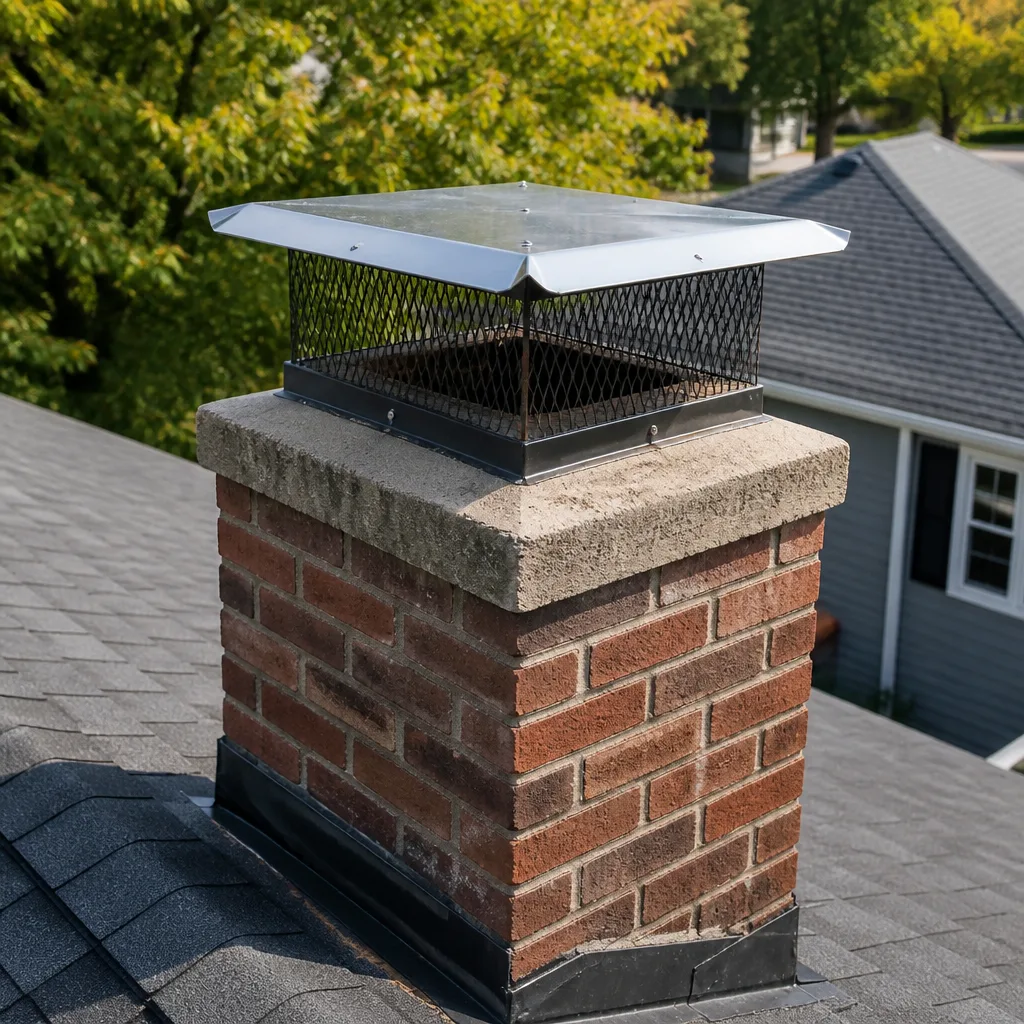
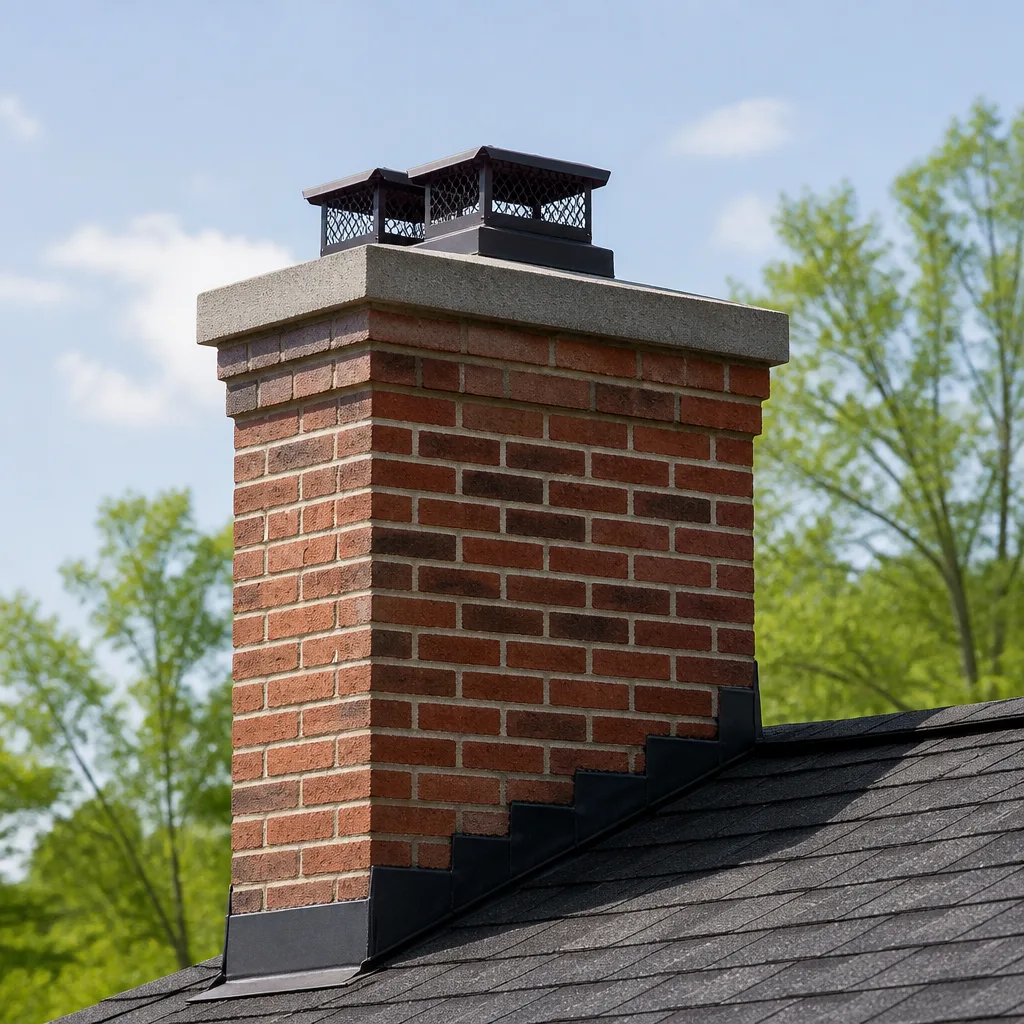
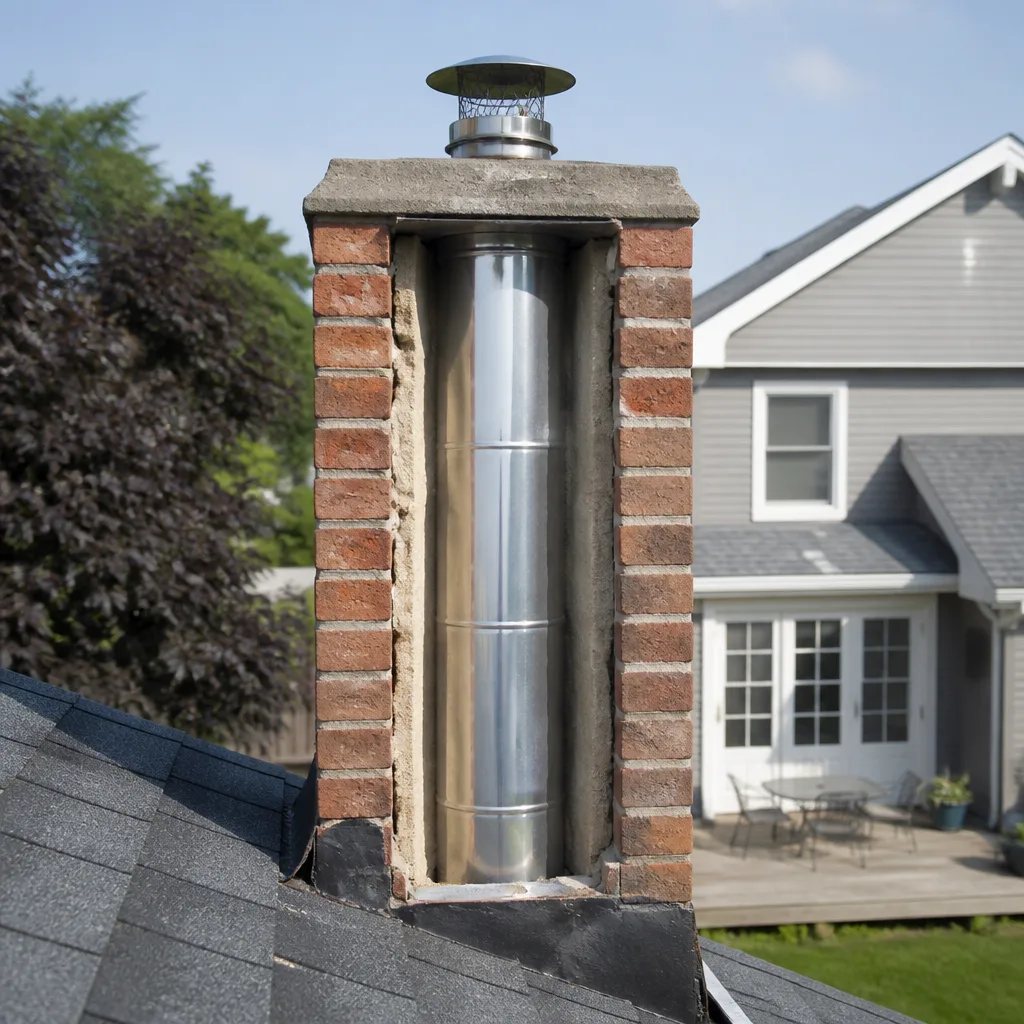
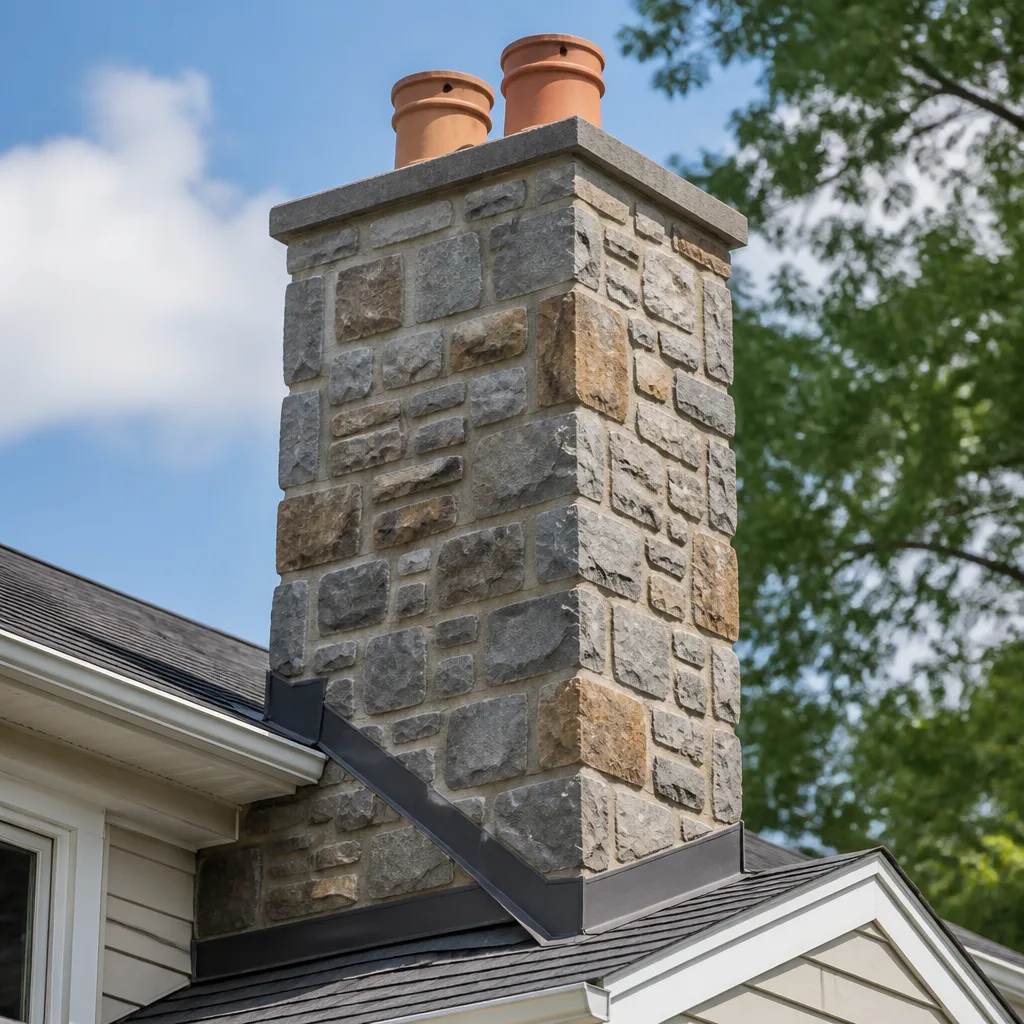
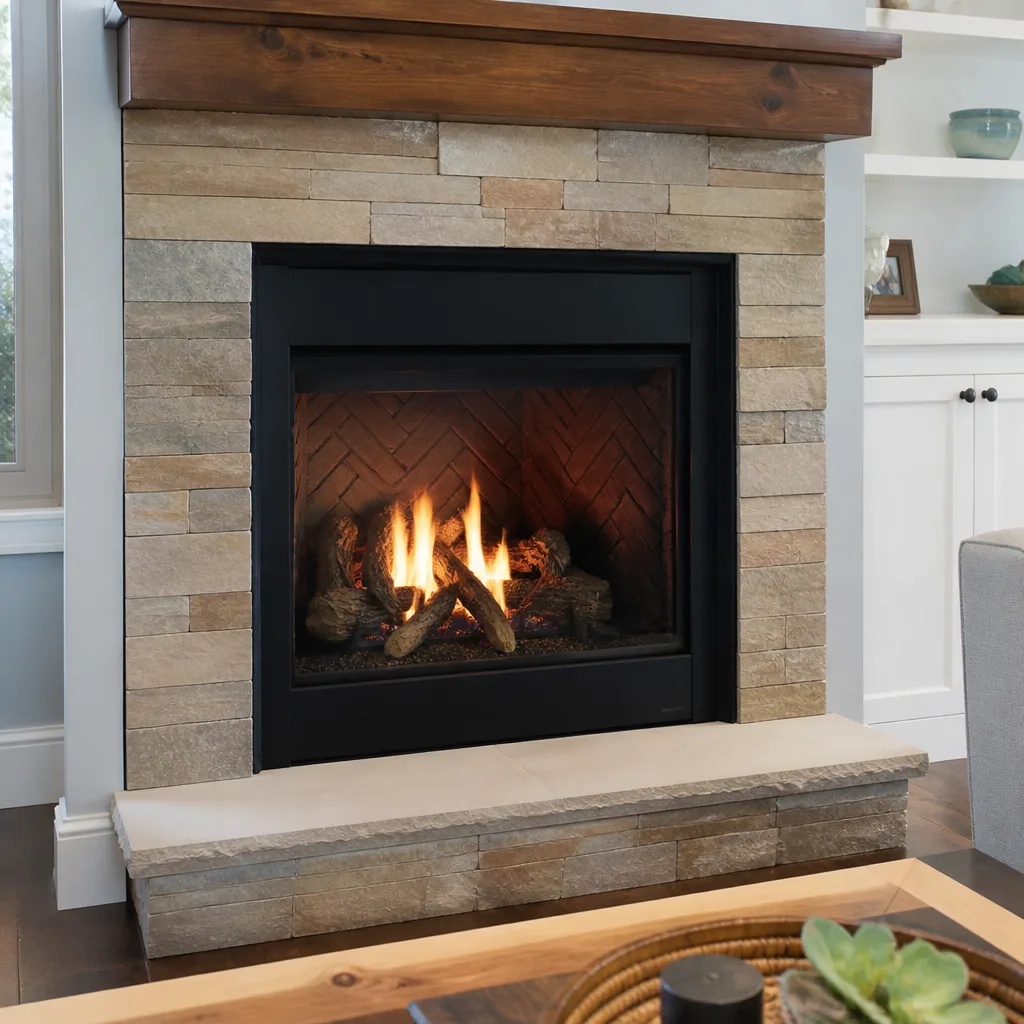
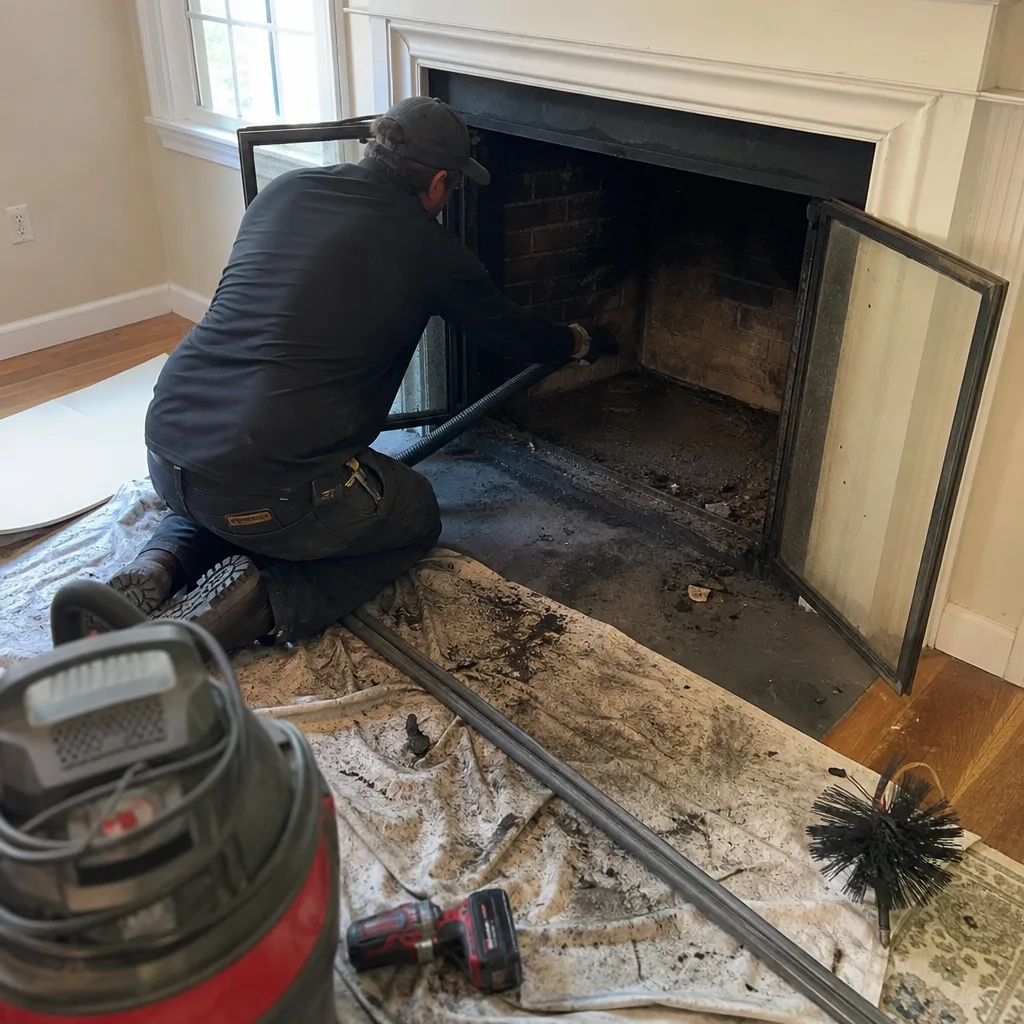 Before
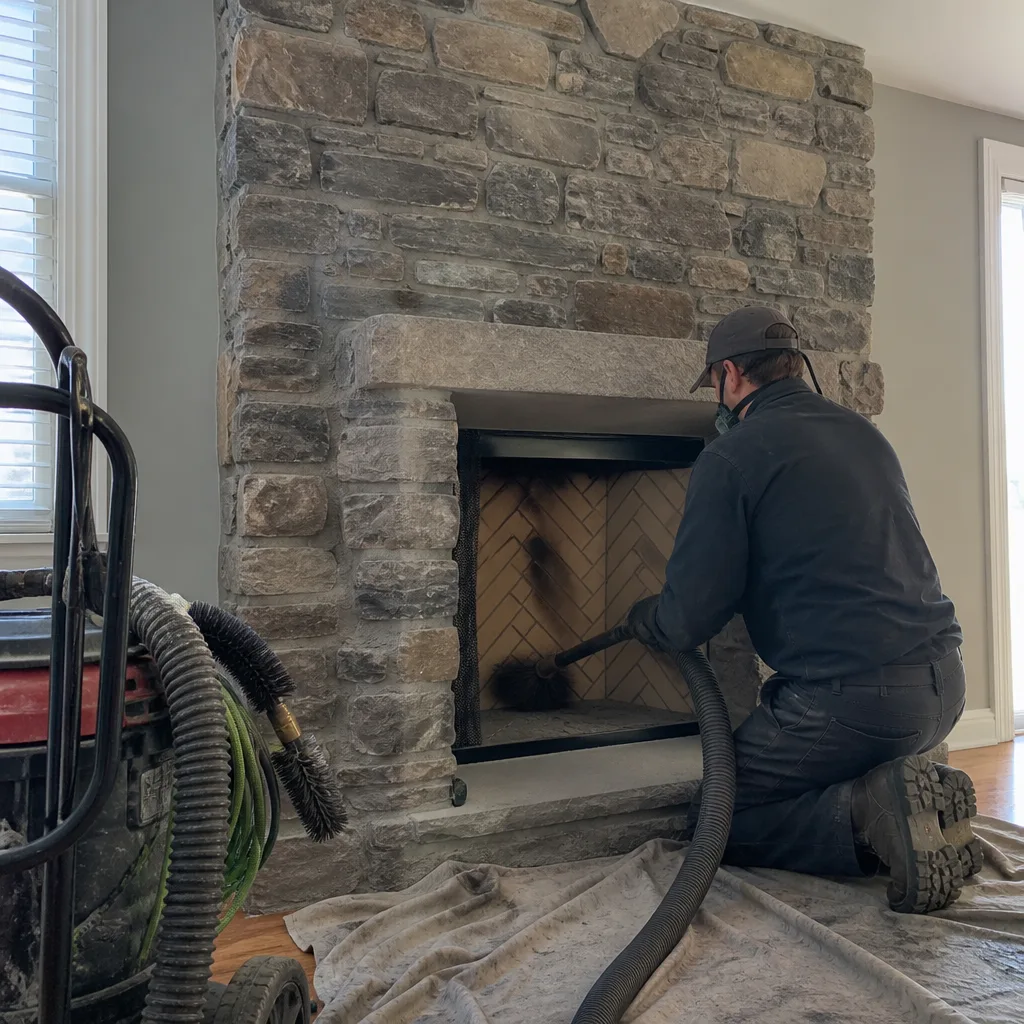 After
After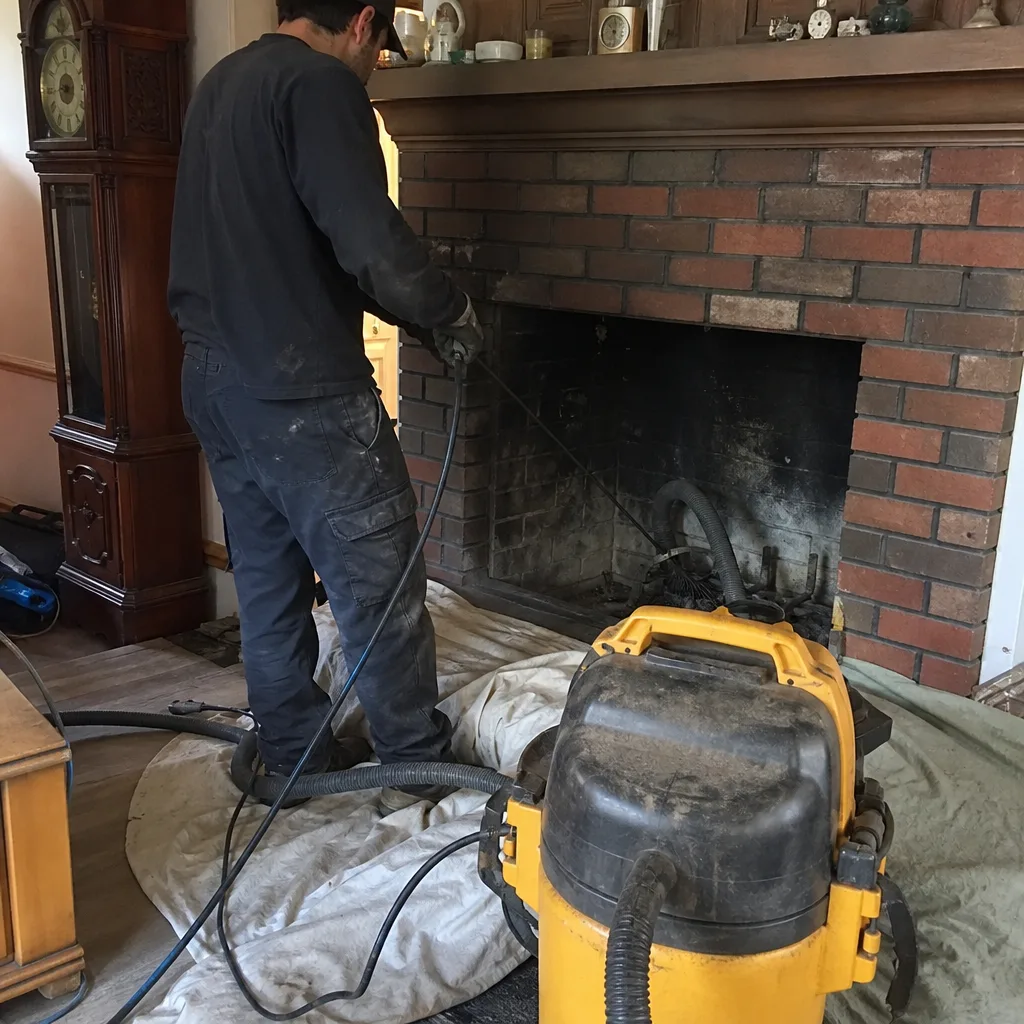 Before
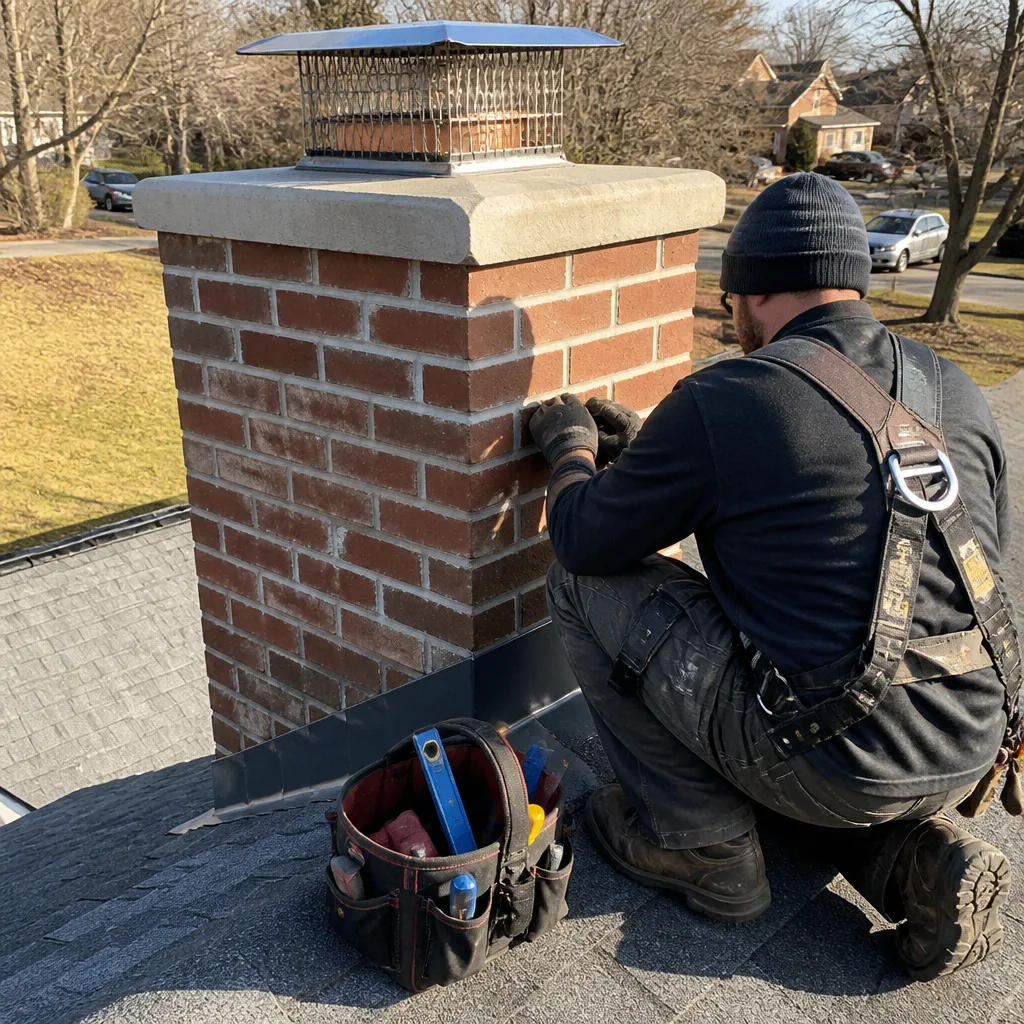 After
After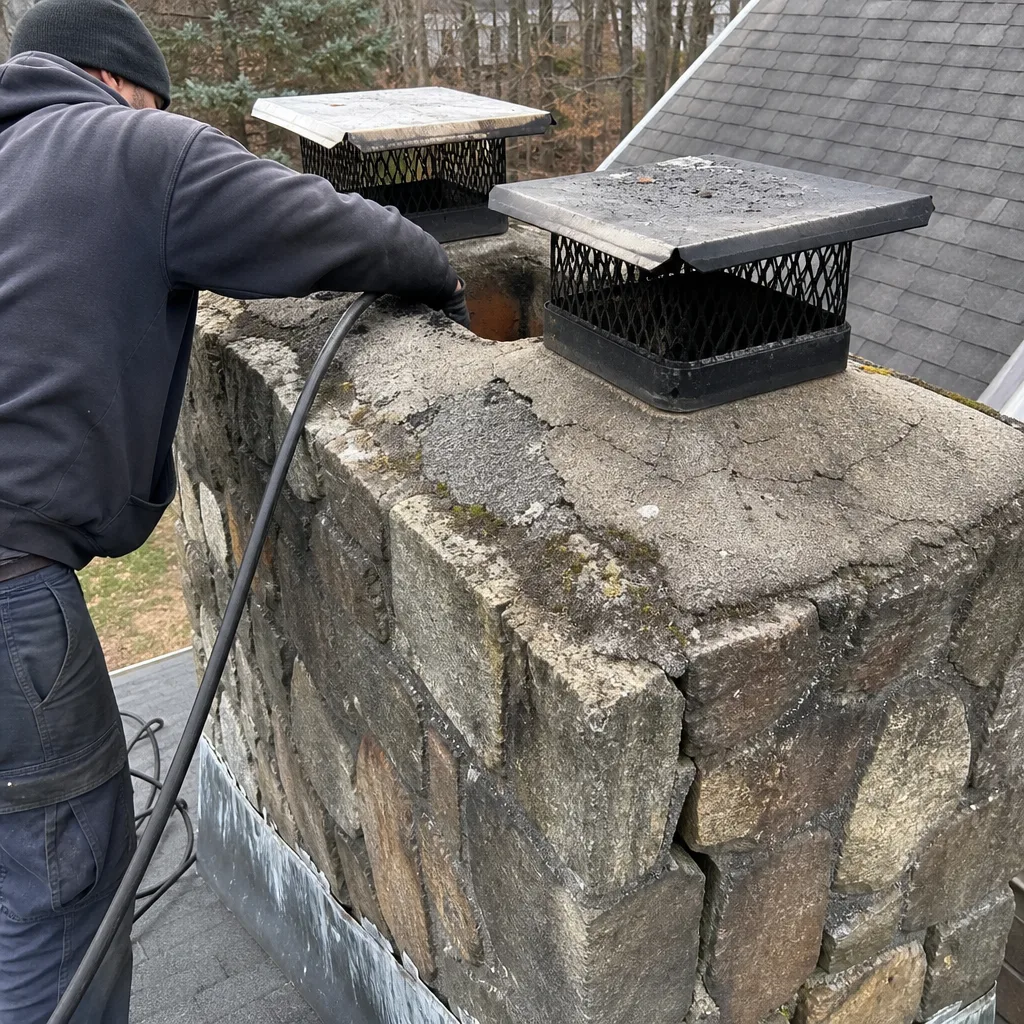 Before
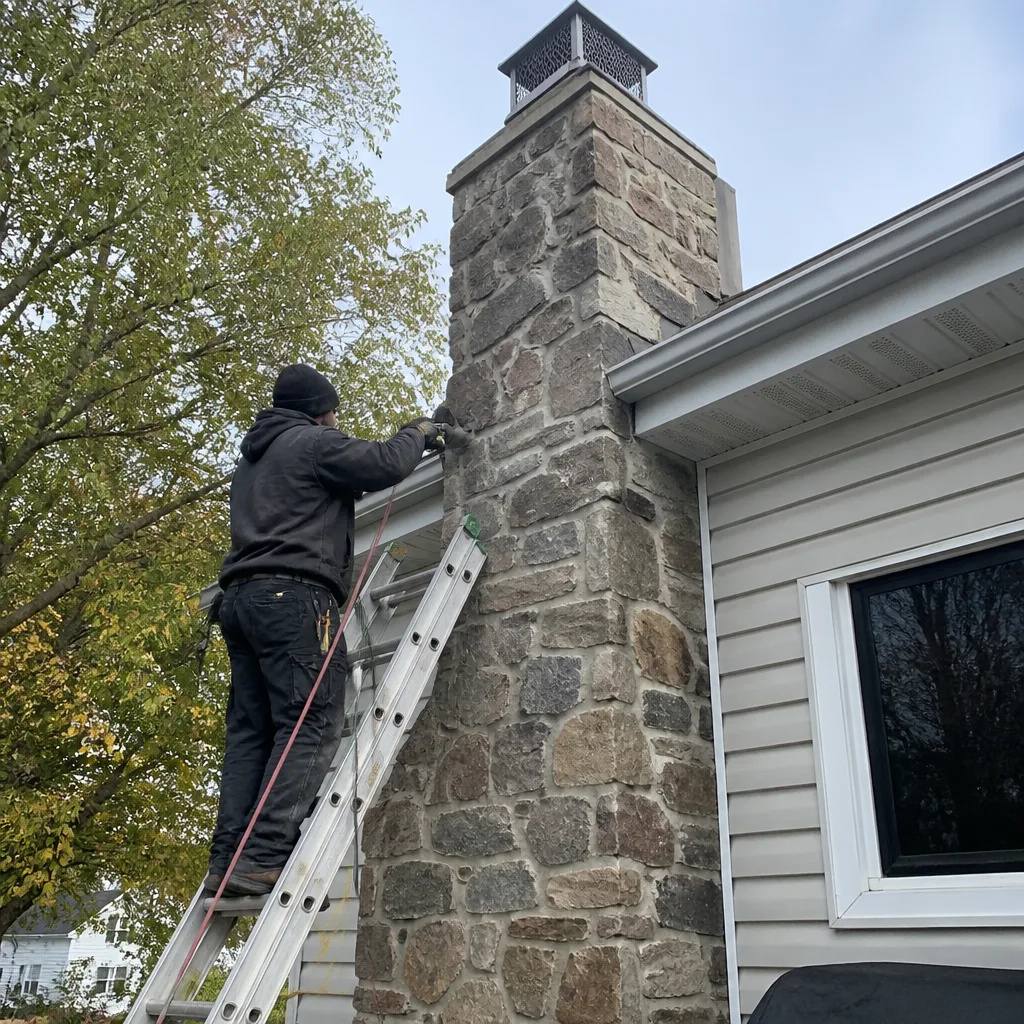 After
AfterHeatShield Flue Liner Replacement: The Danbury Owner’s Guide
HeatShield flue liner replacement in Danbury typically runs $1,800-$3,400 installed, depending on liner diameter, chimney height, and whether the existing clay tiles need full extraction. We stock HeatShield-compatible stainless and cerfractory flue liner systems on our trucks, and most Danbury replacements are completed in a single visit. You’ll usually discover the problem during a routine sweep or when you notice odd smells, draft issues, or visible flaking inside the firebox.
Homeowners in Danbury’s older neighborhoods, especially along Clapboard Ridge Road and around Lake Waubeeka, call us when their sweep flags “spalling” clay tiles or a liner with gaps you can stick a pencil through. That’s past the point of patching. The liner’s job is to contain heat and combustion gases and move them up and out. Once it’s compromised, you’re looking at creosote buildup in the chimney walls and, in the worst case, a path for carbon monoxide or stray embers.
Which HeatShield Models This Applies To
HeatShield manufactures two distinct liner systems, and knowing which one you have determines replacement approach and parts compatibility. The HeatShield Cerfractory system is a spray-applied refractory coating that bonds to existing clay flue tiles, creating a smooth, insulated passageway. The HeatShield Stainless Steel line uses interlocking 316Ti or 304 alloy liners for full relining jobs where the clay is too far gone to save. We work with both.
To identify your system, check any paperwork from your last sweep, or look for a metal tag near the damper or cleanout door. Cerfractory jobs are marked with application date and thickness; stainless liners have gauge and alloy stamps on the collar. The critical compatibility gotcha in Danbury’s market: HeatShield stainless liners in 5.5-inch and 6-inch diameters are not interchangeable with standard DuraFlex or Gelco collars without an adapter, and the adapter must be rated for the same alloy grade or you’ll get galvanic corrosion at the joint. We’ve seen that exact failure in two Bethel homes where a previous installer mixed brands without checking.
We do not use builder-grade substitutes. Our truck stock includes HeatShield OEM collars, adapters, and termination caps, plus DuraFlex and Gelco equivalents where the application allows and the homeowner prefers. Hearthstone Chimney Co. is an independent service provider, not affiliated with HeatShield. We specify what fits your chimney, not what moves a particular brand.
Signs Your HeatShield Flue Liner Replacement Is Failing
- White or tan powder on the firebox floor. This is efflorescence, minerals leaching through cracked clay tiles behind a failing Cerfractory coating. It means moisture and combustion gases are getting into the masonry structure, freeze-thaw cycling through Danbury’s winters, and widening the damage.
- Draft that worked fine last season now pushes smoke into the room. A liner with separated joints, collapsed sections, or a bird-nest obstruction in a gap causes pressure imbalance. The chimney can’t establish the temperature differential it needs to draw.
- Chunks of clay tile in the cleanout or fireplace. Spalling clay is the end stage. Once tiles are shedding material, the liner is structurally unsound. That debris also narrows the flue, accelerating creosote buildup.
- Hot or discolored wallboard near the chimney chase. Heat transfer through a breached liner is a genuine fire risk. We’ve found this in Danbury colonials where the original 1950s clay liner had vertical cracks hidden behind finished basement ceilings.
- A persistent sour or asphalt smell when the fireplace is cold. This indicates creosote soaking into masonry through liner gaps, then off-gassing as temperatures shift. It’s not just unpleasant; it’s a warning that gases are migrating where they shouldn’t.
Replacement Cost & What’s Included
| Scope | Typical Range in Danbury |
|---|---|
| Cerfractory resurfacing (suitable clay substrate) | $1,800 - $2,600 |
| Stainless steel liner, 6-inch, single-story | $2,400 - $3,000 |
| Stainless steel liner, 6-inch, two-story or with offsets | $2,800 - $3,400 |
| Clay tile extraction + stainless replacement | Add $400 - $800 |
What drives the range: chimney height, number of flue bends or offsets, whether we need to remove damaged clay tiles before inserting the new liner, and the condition of the top plate or crown. Every estimate includes the Level-2 camera inspection, photos you can see, a plain-English verdict, and the installed liner with proper collar, adapter, and termination. No surprises on the bill. The number on the estimate is the number on the invoice.
Our work is covered by the 90-Day Done Right Promise - in writing, no arguing. If it’s not right, we come back. The liner itself carries the manufacturer’s warranty, which we register for you.
DIY or Call Us?
There’s a safe middle ground here, and then there’s where DIY ends.
What you can check: shine a flashlight up the flue from the firebox (with the damper open) and look for visible cracks, gaps between tiles, or material that looks like broken pottery. Check your cleanout door for debris. Note any of the symptoms above. That’s useful information, and we’re glad to hear it when you call.
What you should not attempt: inserting a stainless liner requires proper sizing for BTU load, correct alloy selection for your fuel type, and secure anchoring at the top and bottom. A liner that telescopes down during heating season, or one with an unsealed joint, creates the exact hazard you’re trying to eliminate. The work involves roof access, working inside a confined flue, and proper clearances to combustibles per Connecticut building code. We’ve been called to correct DIY liner jobs where the homeowner saved $800 and created a $2,400 problem.
Tell me what you’re seeing, and I’ll tell you what it actually means. Call (475) 375-9457 and we’ll walk through it.
FAQs
A properly installed stainless steel liner typically lasts 15-25 years; Cerfractory resurfacing lasts 10-15 years under normal use. Danbury’s freeze-thaw cycles and the acidity of modern cordwood combustion both shorten the upper end of that range, which is why we inspect annually once a liner passes the decade mark. Call (475) 375-9457 to schedule - estimates are free.
Localized Cerfractory cracks can sometimes be patched if the underlying clay is sound and the damage is under six inches. Separated stainless joints can be resealed if the liner hasn’t shifted. But once you have multiple failure points, spalling clay, or visible gaps, replacement is the only repair that restores full safety margin. We’ll show you the camera footage and tell you straight which category you’re in.
Most single-flue replacements are completed in four to six hours. Two-story chimneys, clay extraction, or offset flues add time. We arrive with the liner on the truck, background-checked and uniformed, and we clean up before we leave. Done right - and we stand behind it.
We stock 5.5-inch, 6-inch, and 7-inch HeatShield-compatible stainless liners, collars, and termination caps on our trucks. Less common sizes and custom lengths we pull from our Fairfield County warehouse, usually next-day. We don’t make you wait two weeks while your chimney sits out of service.
Written by Russell Haines, Owner, Hearthstone Chimney Co. at Hearthstone Chimney Co., serving Danbury and nearby areas.